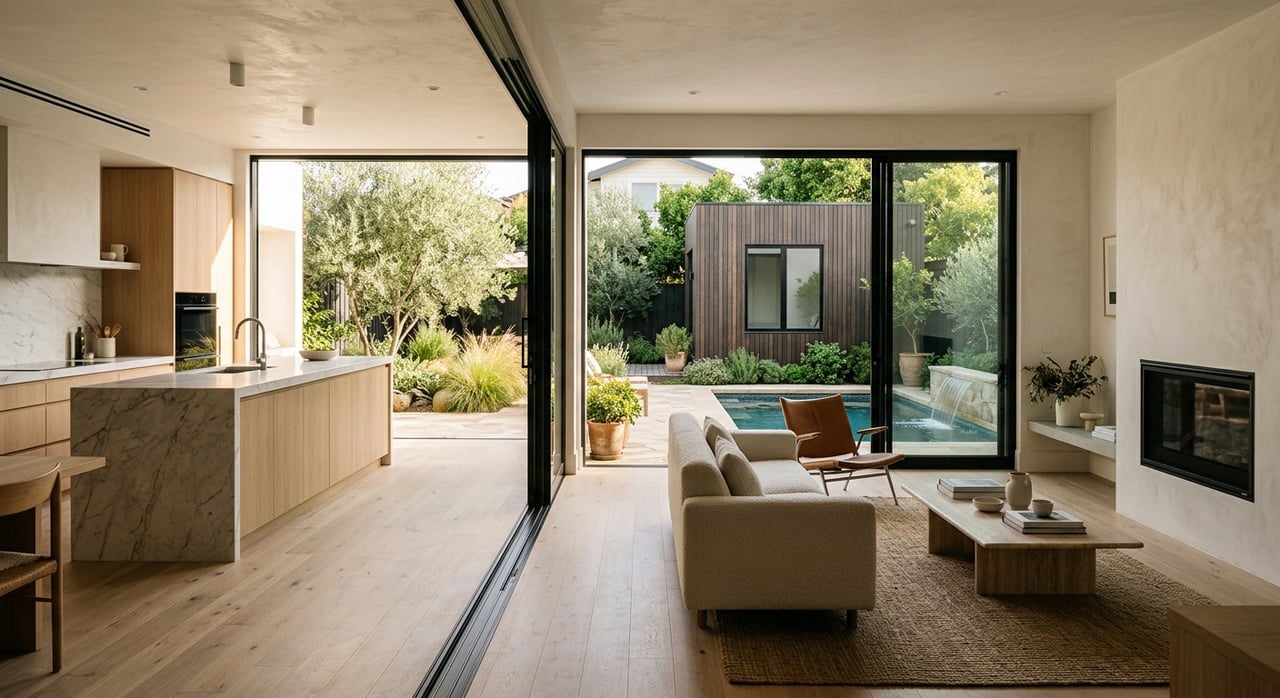
Design Trends Shaping Central Austin’s New Builds And Remodels
June 18, 2026
June 18, 2026
Are Central Austin homes getting warmer, smarter, and more tailored? In many cases, yes. If you are buying, remodeling, building, or preparing to sell in Central Austin, today’s design choices are doing more than shaping looks. They are affecting livability, flexibility, and how a home competes in a more selective market. Let’s dive in.
The clearest shift in recent new builds and remodels is a move away from stark minimalism. National 2025 trend reporting points toward warm color palettes, layered textures, wood-forward spaces, organic modern styling, and more personal design decisions.
That direction fits Central Austin especially well. Local design coverage has emphasized homes that reflect Austin’s vernacular, materials, history, artwork, and character. In other words, the most compelling homes are not trying to look like they could be anywhere. They feel rooted in Austin.
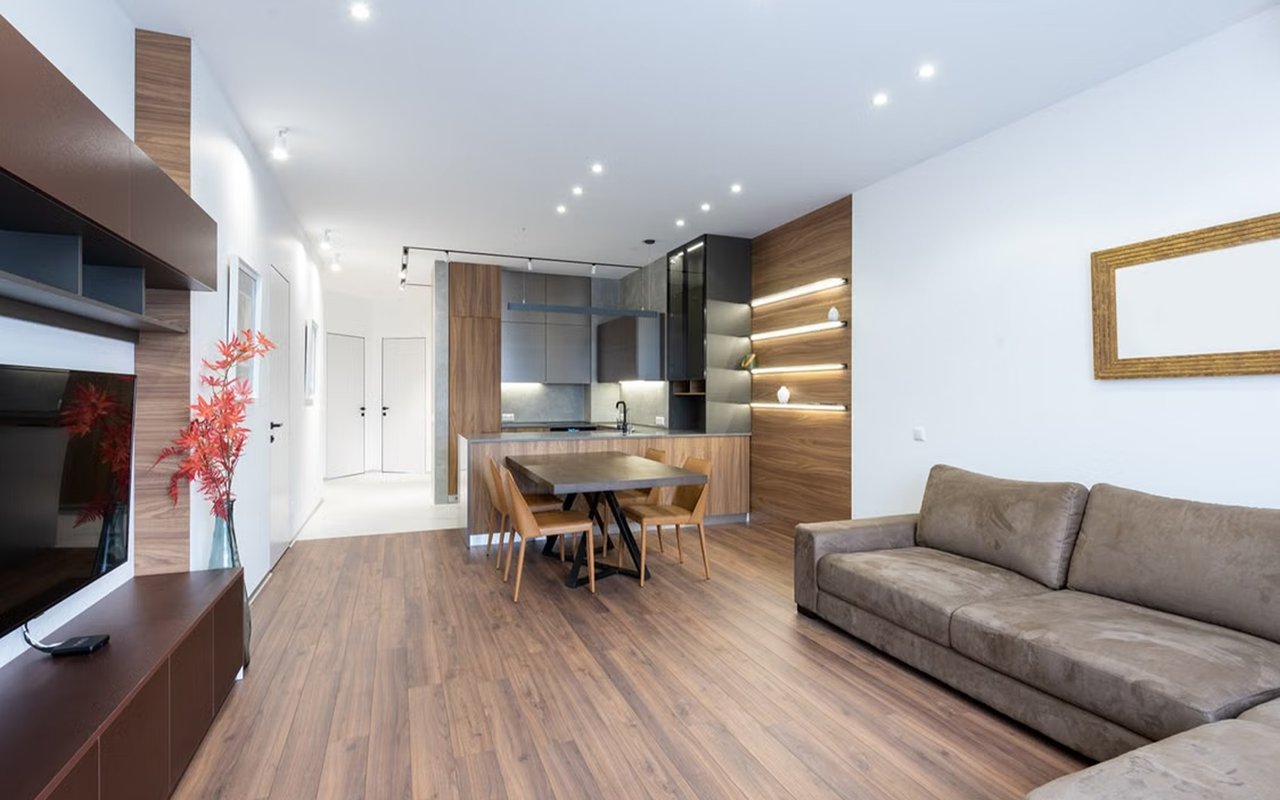
In Central Austin, design-forward does not have to mean cold or overly polished. Recent projects show a stronger balance between clean lines and comfort, with natural materials, earthy tones, and rooms that feel relaxed enough for daily life.
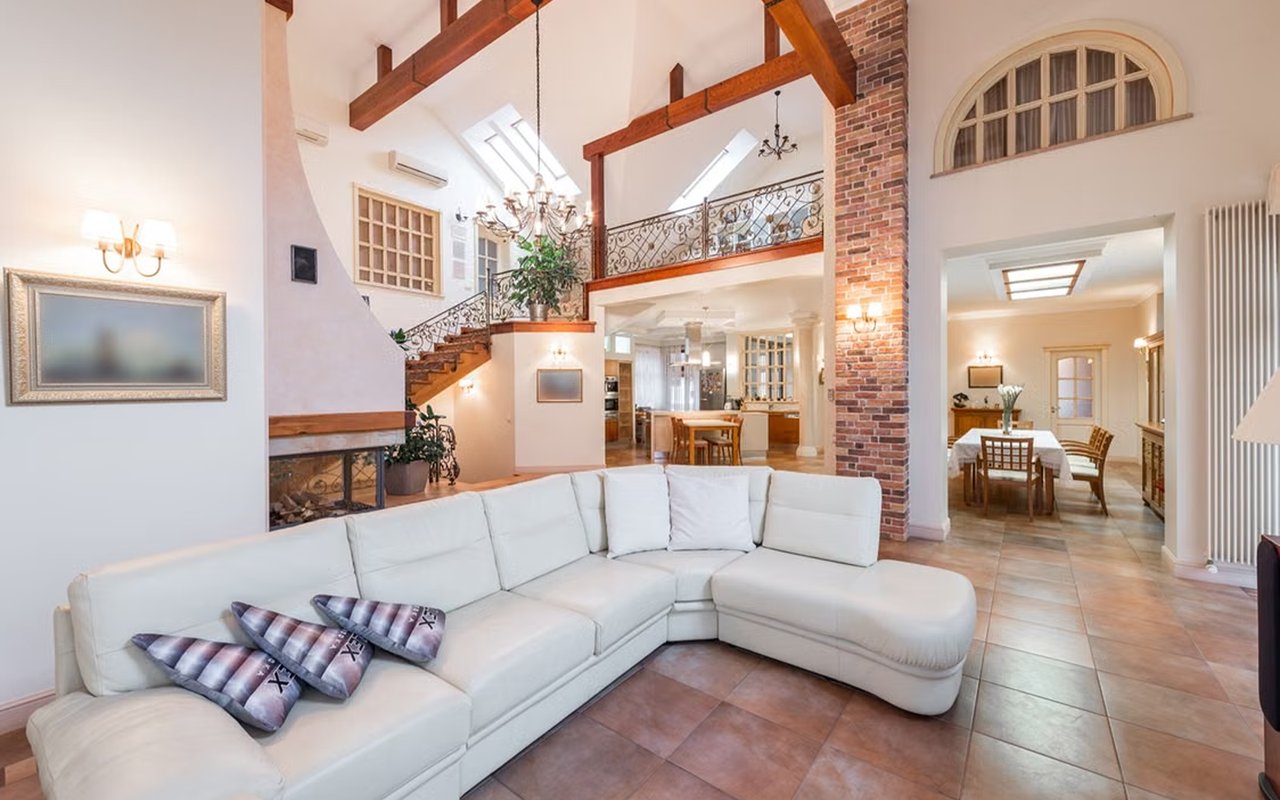
That can show up in many ways. Think rich wood cabinetry, stone surfaces with texture, arched openings, vaulted ceilings, natural light, and outdoor areas that function like true living spaces. Even minimalist exteriors often open into interiors that feel layered and warm.
When you walk through a well-executed Central Austin home, a few details tend to stand out right away:
These features help a home feel both current and comfortable. They also tend to hold up better than design choices that lean too hard into short-lived trends.
In Central Austin, lot conditions often shape the design as much as style preferences do. Mature trees, narrow widths, privacy concerns, utility access, setbacks, and the realities of close-in construction all push architects and builders toward more thoughtful planning.
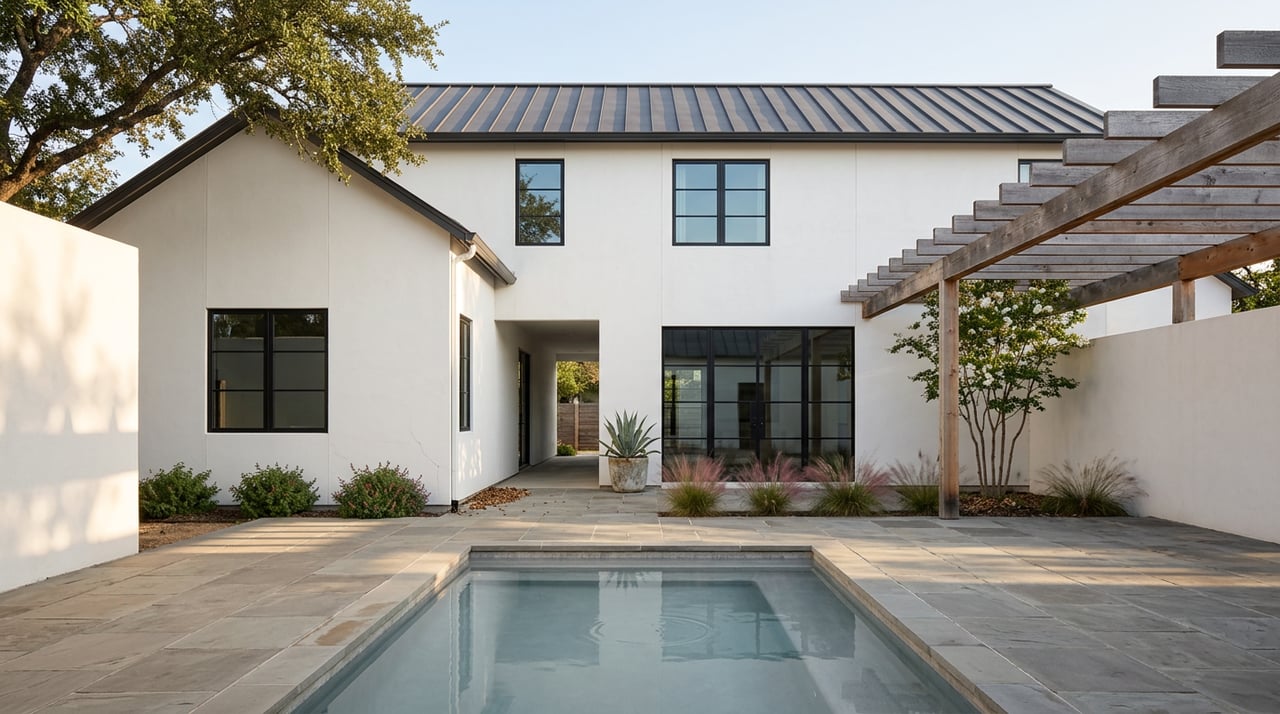
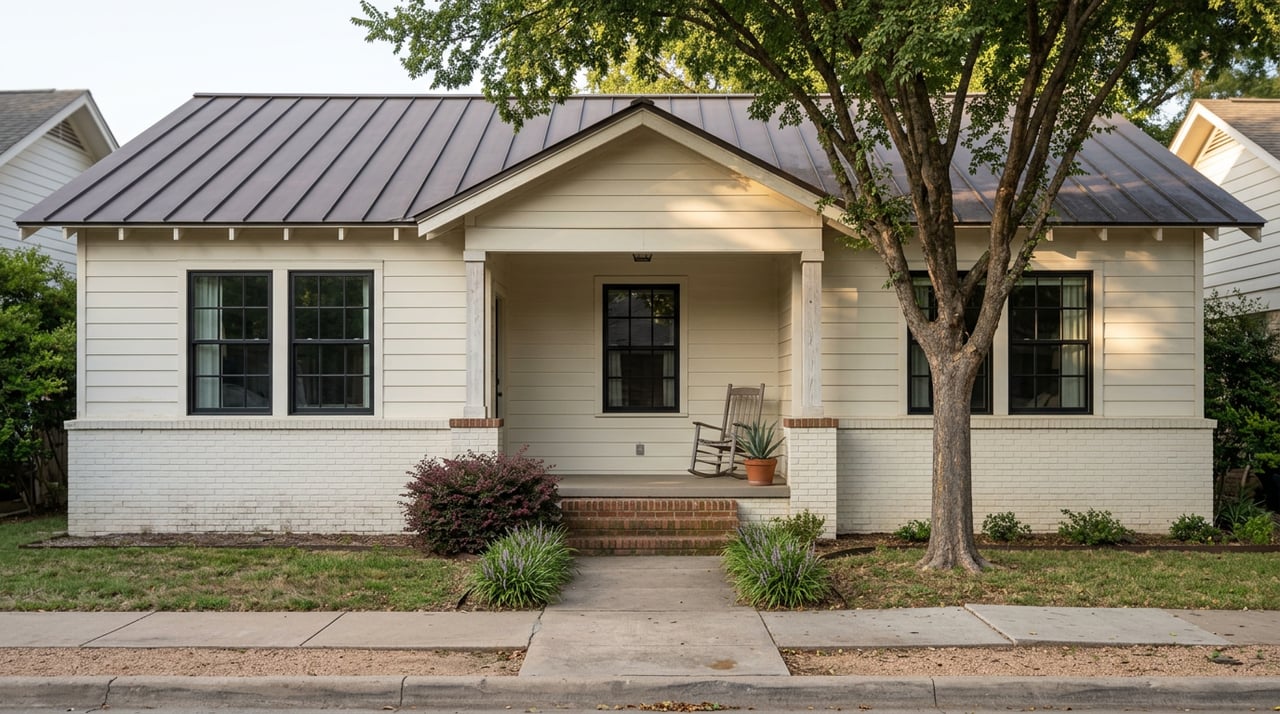
That is why many of the best infill homes look fairly simple from the street. The sophistication often shows up in the floor plan, how the home handles light, how circulation works, and how outdoor space is carved out for privacy and function.
On a constrained lot, every move matters. A home may need to turn inward, use courtyards, rely on glazing for brightness, or shift massing to protect trees and reduce heat exposure.
This is also why some Central Austin projects feel larger than their square footage suggests. Good planning can make a compact site live beautifully without forcing the home to feel crowded or overbuilt.
City policy changes are also influencing what gets built. The City of Austin adopted HOME Phase 1 in December 2023, HOME Phase 2 in May 2024, and Site Plan Lite Phase 2 plus Infill Plat in March 2025, with applications under Site Plan Lite and Infill Plat accepted starting June 16, 2025.
For duplex, two-unit, and three-unit residential uses, the city lists maximum building coverage at 40% and impervious cover at 45%. The city also states that zoning regulations no longer require a minimum separation between units, though applicable technical codes still apply. A three-unit residential use may be attached or detached in any combination.
For buyers and sellers in Central Austin, that matters because these rules can influence the type of housing you see on close-in lots. They also affect redevelopment potential, design strategy, and how a property may be positioned in the market.
Accessory dwelling units continue to be a big part of the Central Austin conversation. They are no longer seen only as a basic secondary structure. Local design coverage shows that compact backyard studios and accessory spaces are now part of the broader high-end residential design landscape.
The City of Austin does set clear thresholds. According to the city, ADUs must be on SF-1, SF-2, or SF-3 zoned property, and the minimum lot area must be at least 5,750 square feet. The city also notes that deed restrictions or restrictive covenants may limit what is possible even when zoning appears to allow it, and each new dwelling unit needs a unique address.
A well-designed ADU can solve more than one need at once. Depending on the property, it may support guest use, a home office, multigenerational living, or a more flexible long-term layout.
The strongest examples are fully integrated into the site plan. They complement the main house, respect lot constraints, and feel intentional rather than squeezed in as an afterthought.
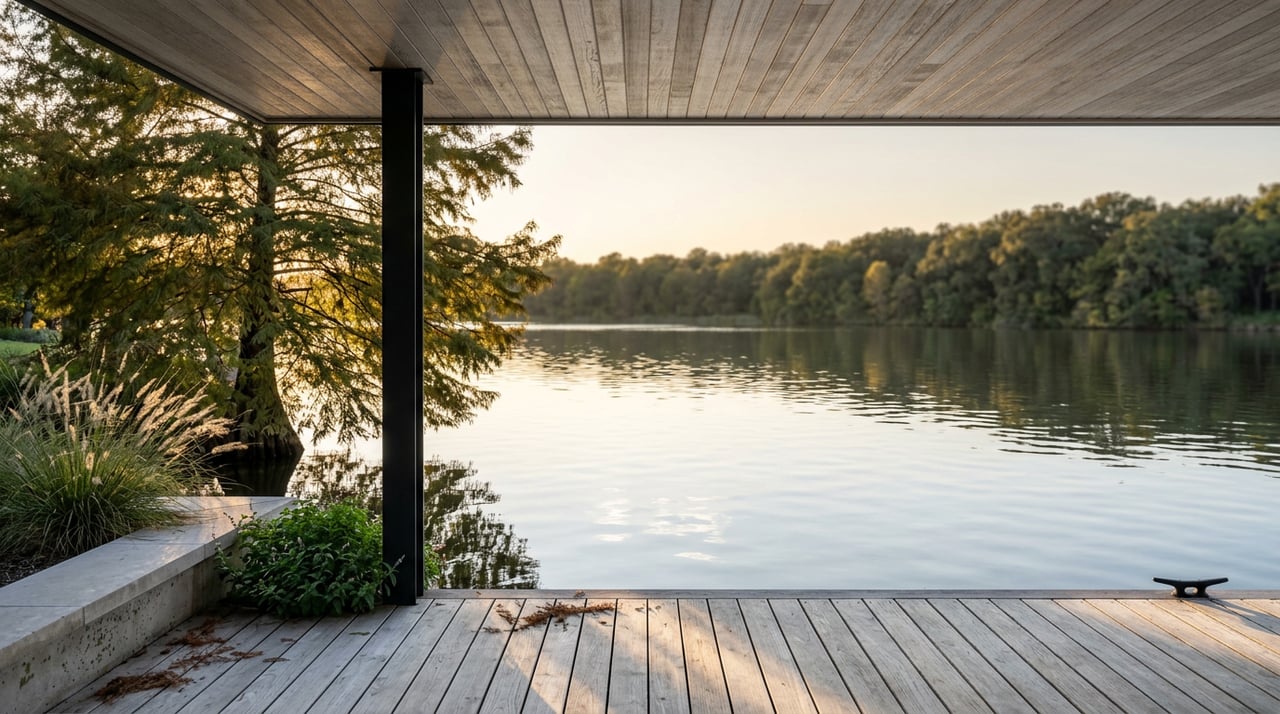
Outdoor space remains one of the most important design priorities in Austin. Current design reporting continues to highlight outdoor rooms with year-round function, including covered porches, outdoor cooking areas, and spaces that feel like an extension of the interior.
That is especially relevant in Central Austin, where lot size may be limited but outdoor usability still carries real weight. A deck, courtyard, rooftop space, or shaded patio can add meaningful value when it is designed as part of daily living rather than just extra square footage.
The most effective outdoor areas usually share a few traits:
When indoor and outdoor zones feel connected, the whole home tends to live better. That design move also aligns with what many buyers already expect in Austin.
In Central Austin, sustainability and comfort are increasingly tied to design credibility. Austin Energy Green Building notes that its program launched in 1991 as the first building rating system in the United States, and Austin Energy continues to support energy-focused residential improvements through active rebate programs.
Current Austin Energy residential incentives include an average rebate of about $800 for qualifying new air-conditioning systems, an $800 rebate for ENERGY STAR-certified hybrid electric heat pump water heaters, a $50 smart thermostat rebate plus Power Partner bill credits, whole-home energy-improvement rebates averaging about $3,000, and a Residential Solar Rebate of $2,500. Austin Energy also lists heat-pump rebate tiers up to $1,600 and notes that 2025 specifications for air-source heat pumps took effect on January 1, 2025.
For homeowners, this means energy-conscious upgrades are not fringe decisions. They are part of how a home delivers comfort, supports efficiency, and feels complete in Austin’s climate.
In practical terms, energy-aware homes often focus on:
These upgrades can work quietly in the background while still improving day-to-day living. In a design-forward market like Central Austin, that balance matters.
Austin’s market in spring 2026 looks more selective than it did during the pandemic-era peak. Different data sources vary in methodology, but Realtor.com, Redfin, and Zillow all point to a softer environment with more choice for buyers and longer decision timelines than the fastest years of the market.
That usually rewards homes with substance. In a market where buyers can compare more options, the strongest homes tend to pair design appeal with practical function.
Redfin’s Austin home-trends data highlights several features that continue to perform well with buyers, including tile backsplash, 2.5 bathrooms, single-level homes, large backyards, new kitchens, center islands, and stone counters. Redfin’s broader long-term-value guidance also emphasizes natural light, efficient layouts, built-in storage, flexible rooms, and energy-efficient windows and insulation.
For Central Austin sellers, that is a useful reminder. A beautiful home still needs to work well. Buyers tend to respond to spaces that feel calm, bright, efficient, and easy to live in.
If you are remodeling with future resale in mind, focus on updates that improve both the look and the plan. A better kitchen layout, more usable storage, improved light, and a more functional outdoor area often do more for long-term appeal than highly specific finishes alone.
The same goes for personal style. Current trends suggest homeowners are making more expressive choices, but the smartest projects still leave room for broad market appeal when it is time to sell.
Central Austin’s most successful new builds and remodels are not chasing one formula. They are balancing warmth, utility, local fit, and design clarity. They feel specific to the lot, responsive to Austin’s climate, and thoughtful about how people actually live.
If you are evaluating a home, planning a remodel, or thinking about how future buyers may react, it helps to look past surface trends. The homes that tend to stand out are the ones where design, performance, and layout all support each other.
In a market like Central Austin, that kind of alignment is often what separates a good-looking house from a truly compelling property. If you want guidance on how design choices, new construction quality, or redevelopment potential may affect value in Central Austin, connect with Darsh Parikh.
Stay up to date on the latest real estate trends.
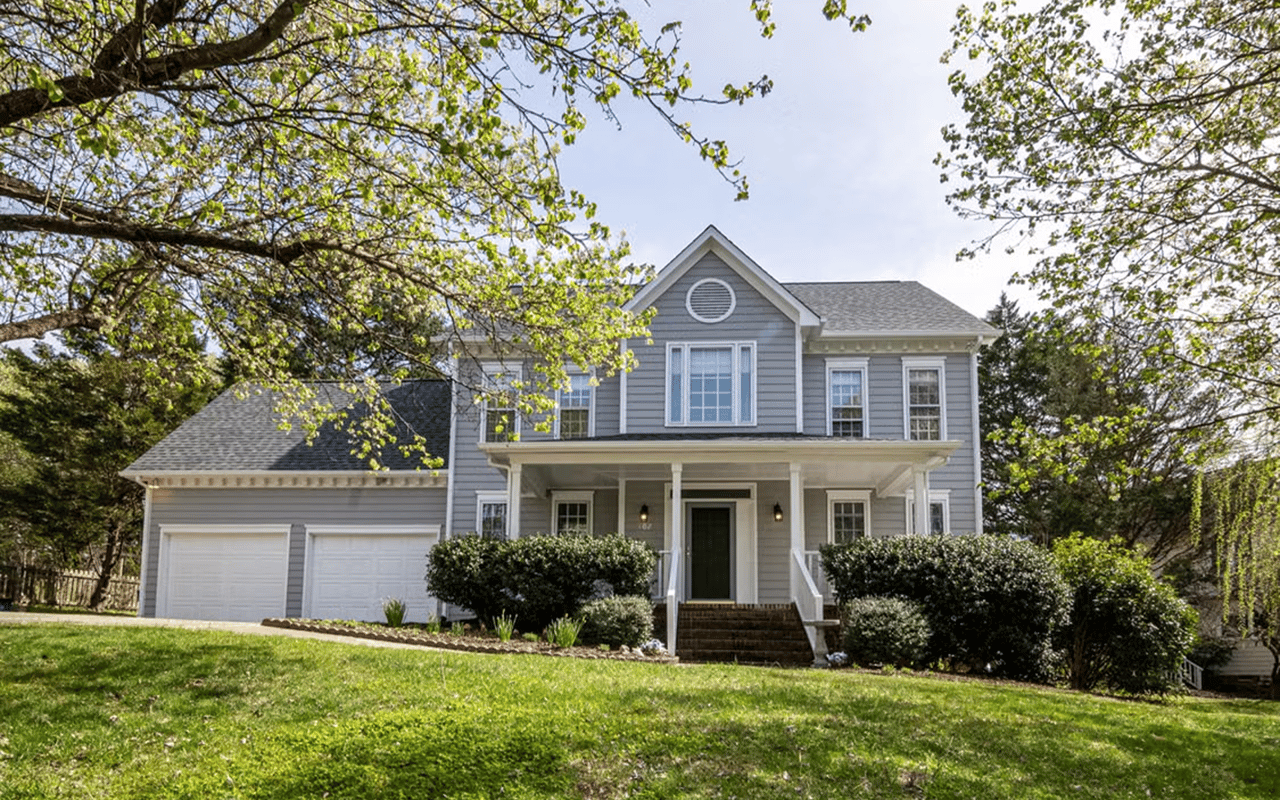
Exploring Austin's majestic Barton Hills community, among the city's most sought-after residential destinations.
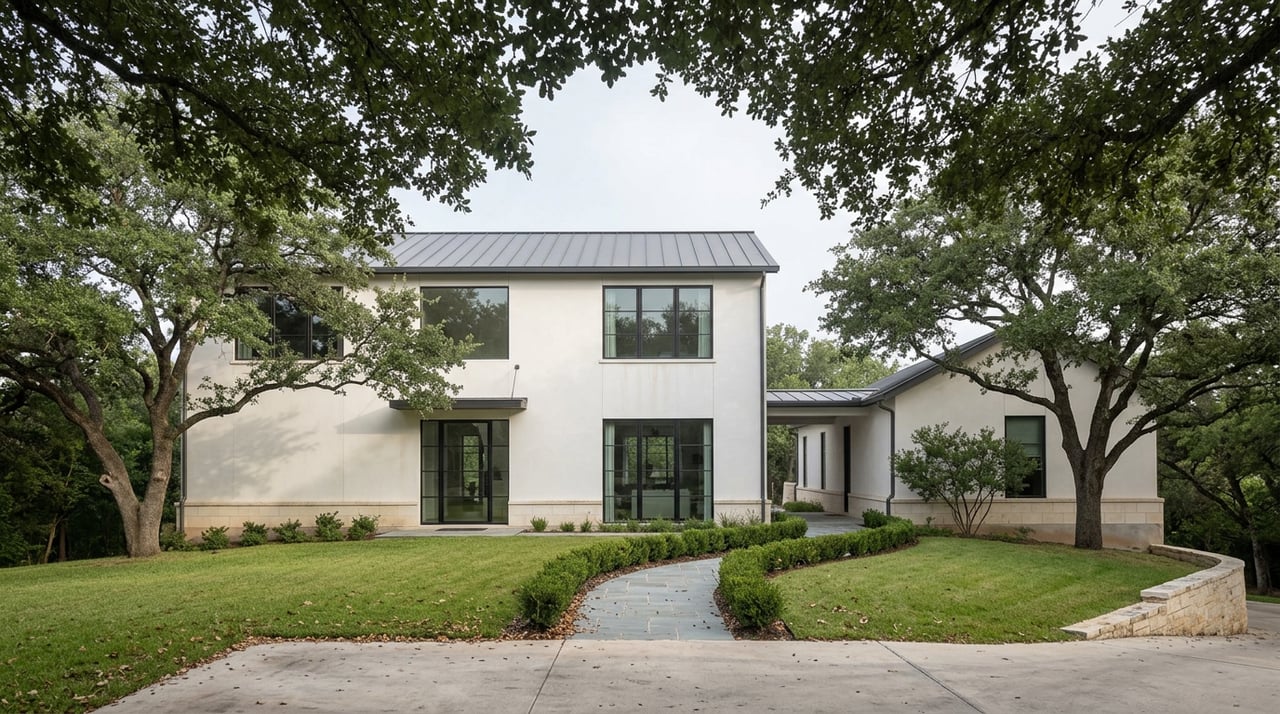
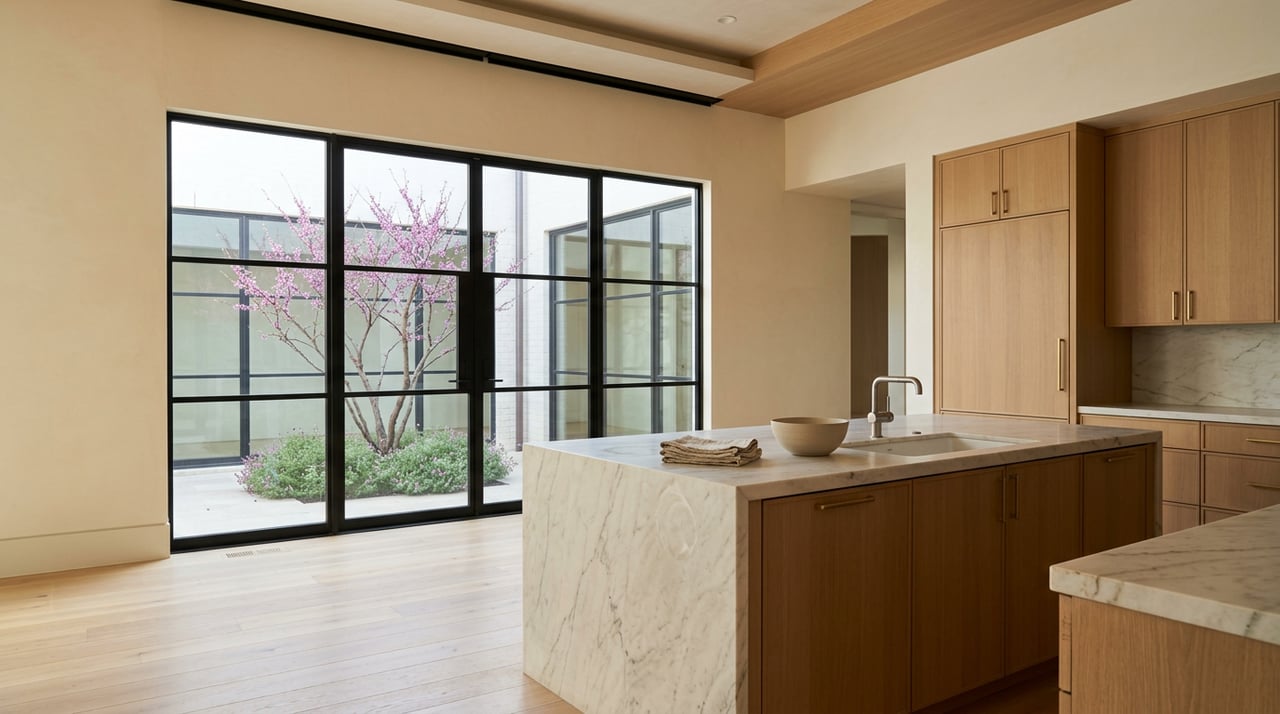

A Local’s Guide to the Best Dog Parks and Trails in Zilker.
Tips for Positioning Luxury Real Estate in One of Austin's Most Coveted Corners: Accurately Price Your Home in Barton Hills.
How to Sell Luxury Real Estate in Austin for Top Dollar.
Etiam non quam lacus suspendisse faucibus interdum. Orci ac auctor augue mauris augue neque. Bibendum at varius vel pharetra. Viverra orci sagittis eu volutpat.