By Darsh Parikh
Barton Hills, Zilker, and Tarrytown sit just minutes apart, yet each reflects a very different chapter of Austin’s residential story. These neighborhoods developed under different zoning eras, lot standards, and architectural influences, which still shape what buyers see today.
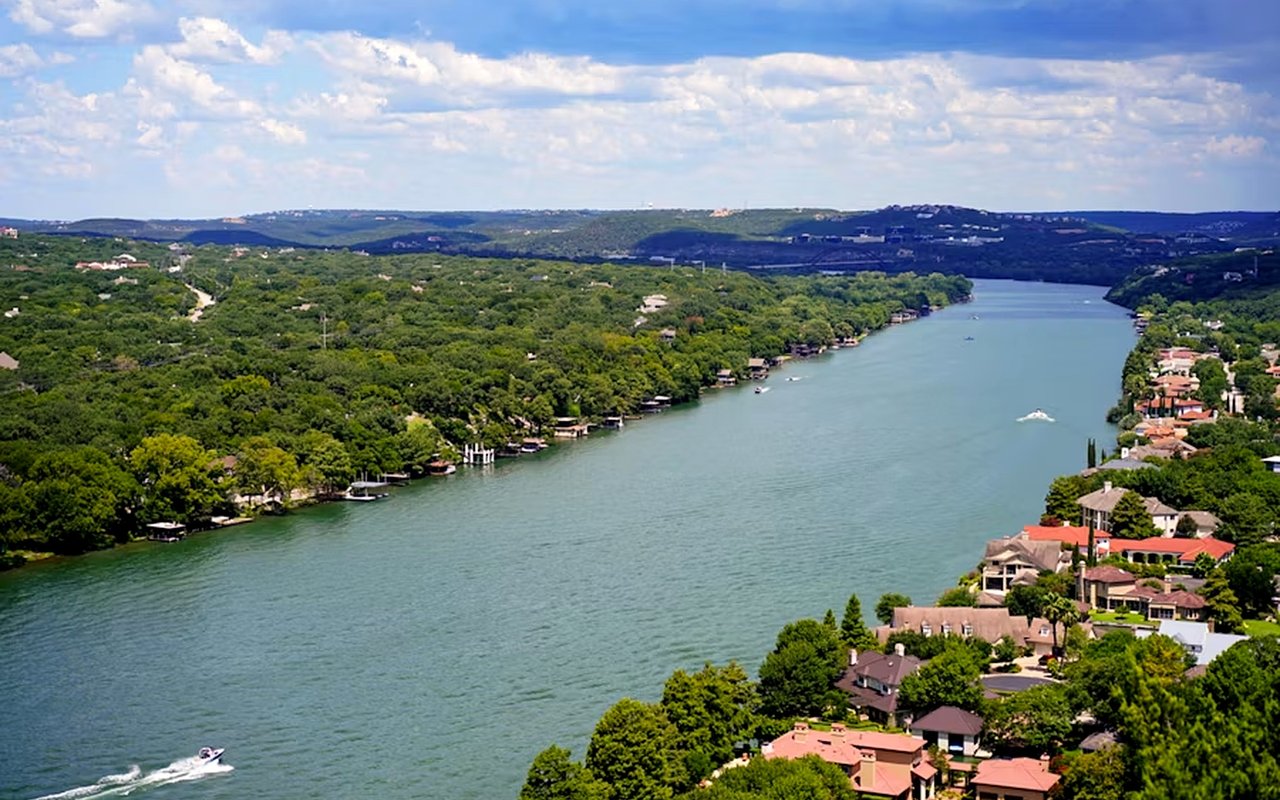
Proximity to Zilker Park, Lady Bird Lake, MoPac, and downtown directly affects lot sizes, privacy, and redevelopment potential.
Key Takeaways
-
Location shapes lot size
-
Architecture varies by era
-
Lifestyle access differs block by block
-
Long-term value drivers matter
Barton Hills: Hillside Homes with Greenbelt Access
Barton Hills is defined by its terrain and its relationship to the Barton Creek Greenbelt. Many properties sit on sloped lots, which has influenced multi-level designs, elevated decks, and floor plans that open toward canyon or tree-lined views.
What buyers notice in Barton Hills
Because the neighborhood borders protected land, inventory is limited, and redevelopment is tightly constrained. That scarcity plays a significant role in buyer interest.
Zilker: Urban Proximity with Modern Design
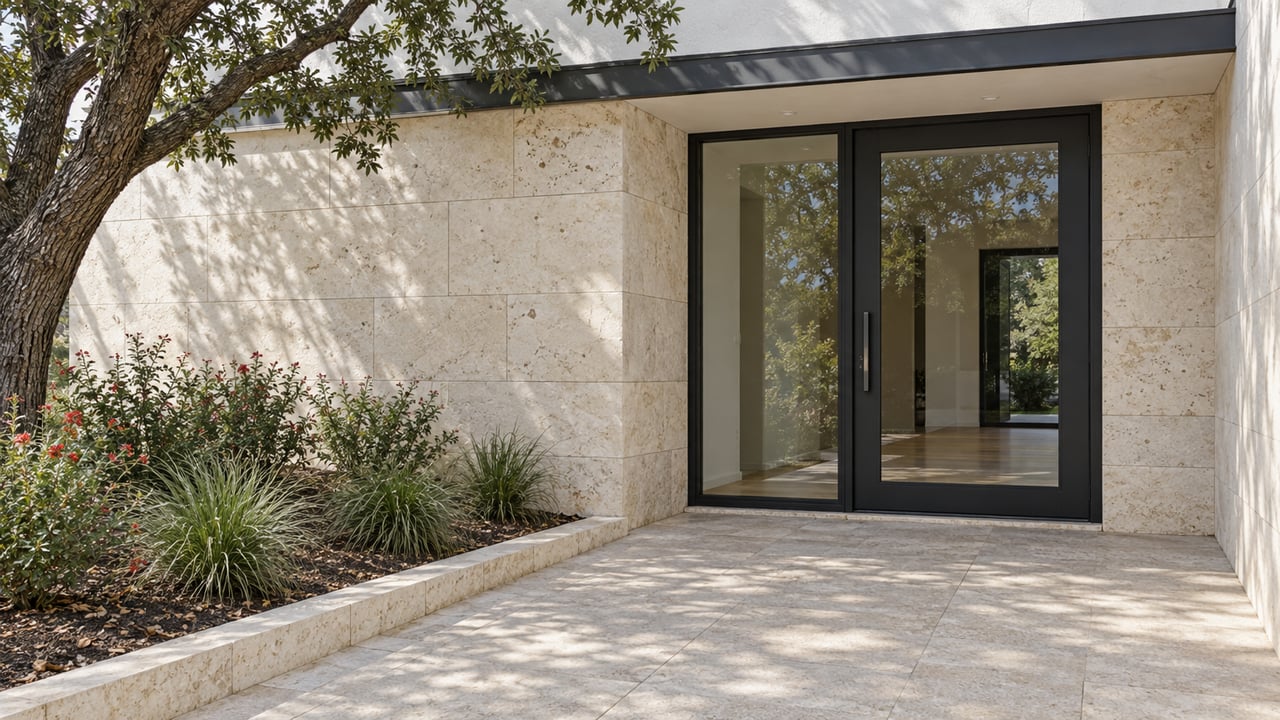
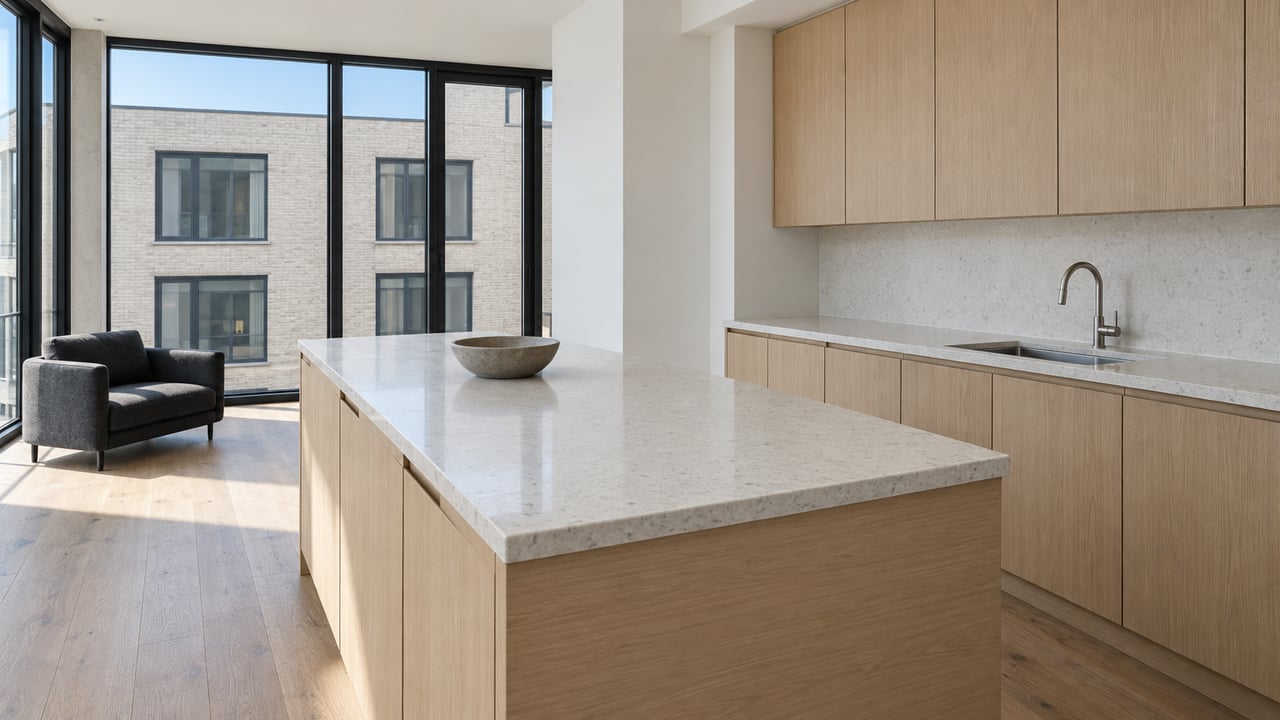
Zilker’s appeal comes from its walkability and redevelopment momentum. Located between Barton Springs Road and South Lamar, the neighborhood has seen a steady influx of contemporary builds replacing older bungalows.
What defines Zilker homes
Buyers here value access to dining, trails, and downtown just as much as interior finishes. Lot sizes are generally smaller, which has encouraged vertical design and efficient layouts.
Tarrytown: Established Prestige and Larger Parcels
Tarrytown stands apart for its consistency and long-standing reputation. Tree-canopied streets, larger parcels, and architectural continuity define the area.
What sets Tarrytown apart
-
Larger lot dimensions
-
Architectural continuity
-
Proximity to Lake Austin
Many homes date back decades but have been thoughtfully expanded or renovated to modern standards. Zoning and neighborhood norms have preserved scale, which contributes to long-term stability.
Architectural Styles Across the Three Neighborhoods
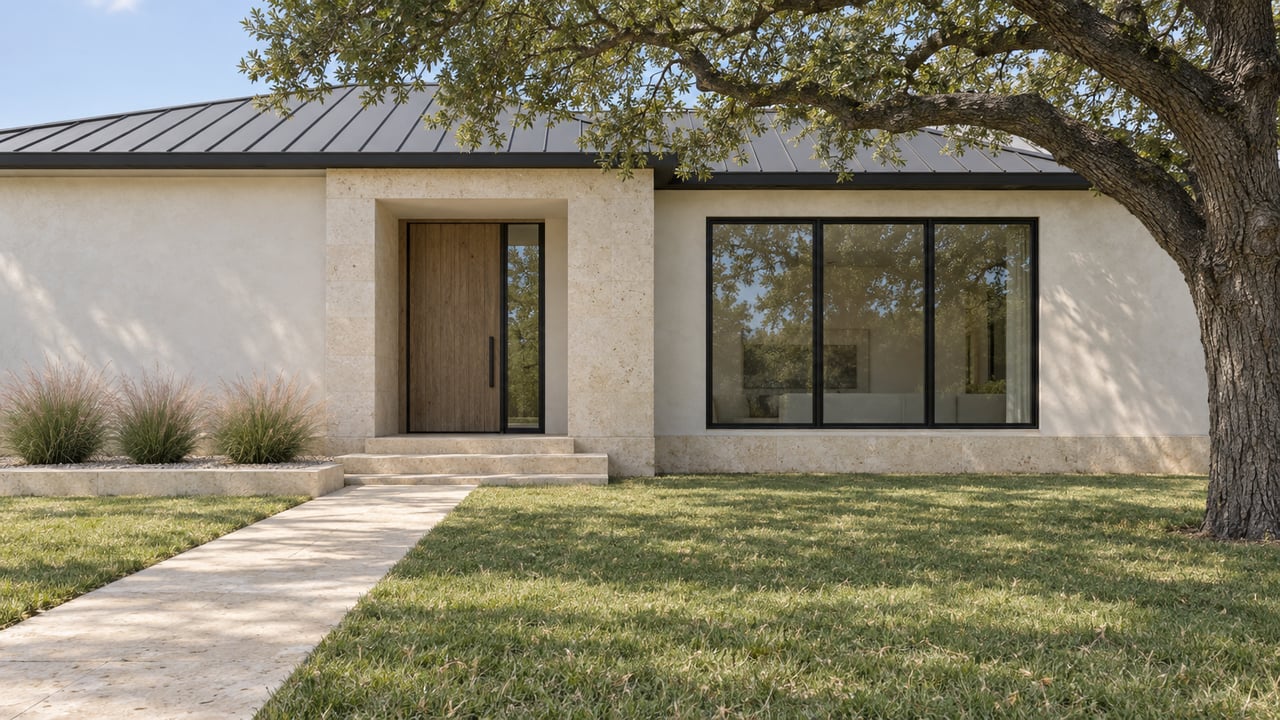
Each area reflects the era in which it developed. Barton Hills features mid-century and transitional homes adapted to hillsides. Zilker showcases new construction with clean lines and modern materials. Tarrytown leans traditional, with brick exteriors, pitched roofs, and formal layouts.
Common architectural themes
These stylistic differences directly affect renovation costs and resale strategies.
Lot Size, Privacy, and Outdoor Space
Lot size is one of the biggest differentiators when comparing high-end homes in Barton Hills, Zilker, and Tarrytown. Barton Hills offers depth and natural buffers, Zilker trades space for proximity, and Tarrytown provides width and privacy.
Outdoor living considerations
Each neighborhood offers outdoor appeal in its own way. Understanding how space is used matters more than raw square footage.
Market Dynamics and Buyer Profiles
Barton Hills often attracts nature-focused buyers who still want access to the city. Zilker appeals to professionals prioritizing walkability and modern design. Tarrytown attracts buyers seeking stability, prestige, and larger estates.
Typical buyer priorities
-
Privacy versus proximity
-
Design versus tradition
-
Lifestyle versus scale
Buyer motivations can differ sharply across these neighborhoods.
Renovation Potential and Restrictions
Renovation potential varies based on zoning, lot coverage rules, and neighborhood expectations. Barton Hills faces environmental constraints near protected land. Zilker offers more flexibility but with a smaller footprint. Tarrytown renovations often prioritize preservation alongside expansion.
Renovation factors to evaluate
-
Zoning and setbacks
-
Tree ordinances
-
Neighborhood norms
Early planning prevents costly surprises. It also protects resale value.
Investment and Long-Term Value Considerations
Each neighborhood offers a different value proposition. Barton Hills benefits from irreplaceable greenbelt adjacency. Zilker gains from continued urban growth and demand. Tarrytown holds value through scarcity and reputation.
Value drivers to watch
-
Land scarcity
-
Infrastructure proximity
-
Buyer demand cycles
Long-term performance depends on more than price per square foot.
How These Neighborhoods Compare Side by Side
When buyers ask me to compare options, I focus on trade-offs rather than rankings. High-end homes in Barton Hills, Zilker, and Tarrytown each serve distinct priorities.
Key comparison points
-
Lifestyle alignment
-
Future flexibility
-
Resale positioning
The best choice depends on how you plan to live in the home, not just how it looks today. There is no one-size-fits-all answer.
FAQs
Which neighborhood offers the most privacy?
Tarrytown and Barton Hills typically offer more privacy than Zilker, thanks to larger lots and natural buffers.
Are newer homes more common in Zilker?
Yes, Zilker has seen significant redevelopment, resulting in a higher concentration of modern construction.
Which area holds the most value long term?
All three perform well, but for different reasons tied to land scarcity, location, and buyer demand.
Contact Darsh Parikh Today
Choosing between Barton Hills, Zilker, and Tarrytown requires more than comparing listings online. Each neighborhood has nuances that directly affect livability, renovation potential, and long-term value.
If you’re considering high-end homes in Barton Hills, Zilker, and Tarrytown, reach out to me,
Darsh Parikh. I’ll help you evaluate opportunities in Austin’s unique real estate landscape and ensure your next move aligns with how you want to live now and in the future.