By Darsh Parikh
Architecture plays an outsized role in how homes are valued and experienced in Barton Hills, Zilker, and Tarrytown. These neighborhoods reflect distinct eras of Austin’s residential growth, shaped by zoning changes, proximity to downtown, and evolving design priorities.
From early 20th-century cottages to contemporary estates overlooking Lady Bird Lake, the range of properties here tells a clear story about how people have chosen to live in Greater Austin.
Key Takeaways
-
Architecture shapes buyer demand
-
Each neighborhood reflects a different era
-
Design influences long-term value
-
Lot size affects style expression
Why Architecture Defines Central Austin Neighborhoods
In Barton Hills, Zilker, and Tarrytown, home style is more than visual appeal. It influences layout, renovation potential, and how homes interact with their lots. Buyers often choose these neighborhoods specifically for architectural character rather than uniformity.
What architecture signals to buyers
-
Lifestyle priorities
-
Renovation flexibility
-
Long-term collectability
These areas developed before large-scale master planning, which is why variety remains one of their strongest draws.
Classic Bungalows and Early Cottages
Some of the earliest homes in Zilker and parts of Barton Hills are modest bungalows built between the 1920s and 1940s. These homes typically feature front porches, simple rooflines, and efficient floor plans.
Defining bungalow characteristics
-
Low-pitched roofs
-
Front-facing porches
-
Compact footprints
Many have been thoughtfully expanded over time while retaining their original character.
These properties remain popular for their scale and walkability.
Mid-Century Modern Influence
Mid-century design has a strong presence in Barton Hills and select areas of Tarrytown. Built primarily in the 1950s and 1960s, these homes emphasize indoor-outdoor flow, clean lines, and functional layouts.
Hallmarks of mid-century homes
-
Flat or low-slope roofs
-
Open living areas
-
Expansive glass walls
These homes align well with Austin’s lifestyle preferences. Large windows and connection to natural surroundings are defining traits.
Traditional Tarrytown Estates
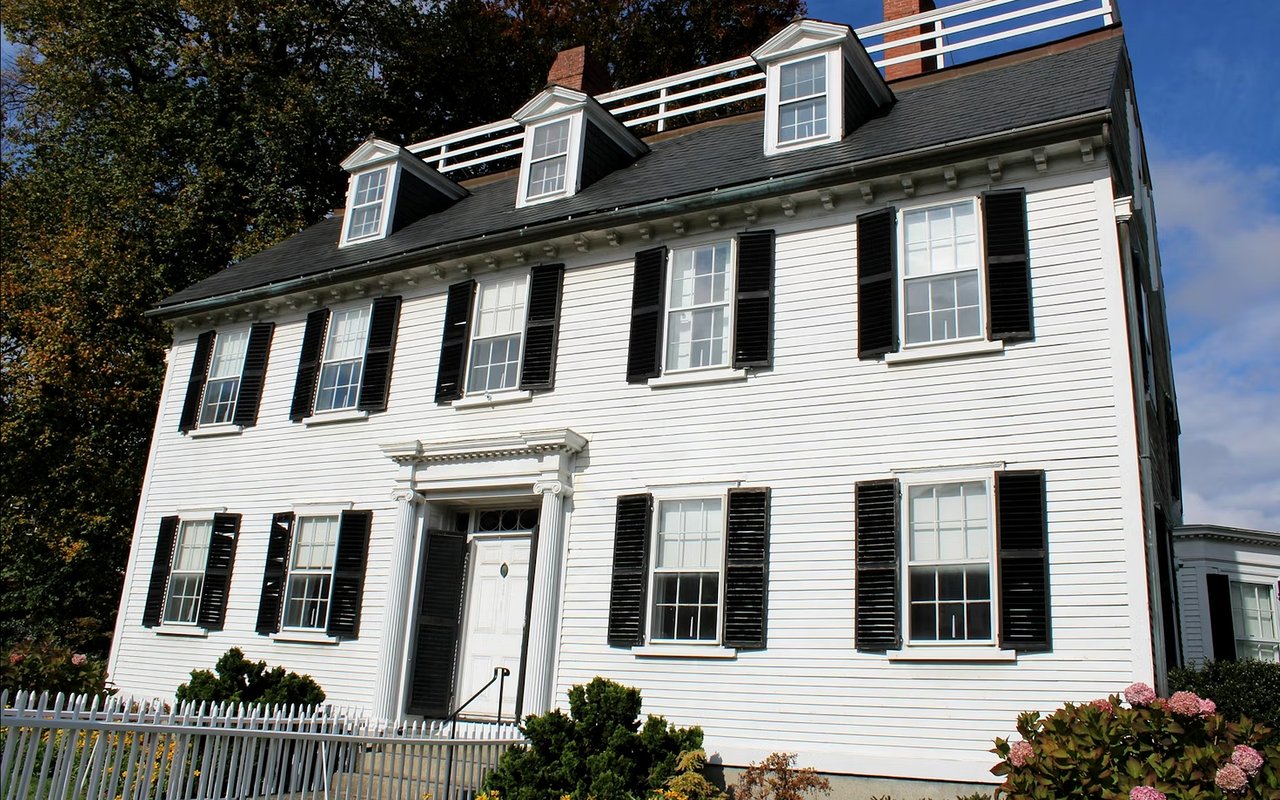
Tarrytown is known for its larger lots and traditional architectural styles. Georgian, Colonial Revival, and European-inspired homes are common, many of which were built or rebuilt between the 1970s and early 2000s.
Common estate-style features
-
Brick or stone exteriors
-
Formal entry sequences
-
Deep setbacks
These properties often prioritize privacy, symmetry, and formal spaces. The lot size makes these homes feel established.
Contemporary and Modern New Builds
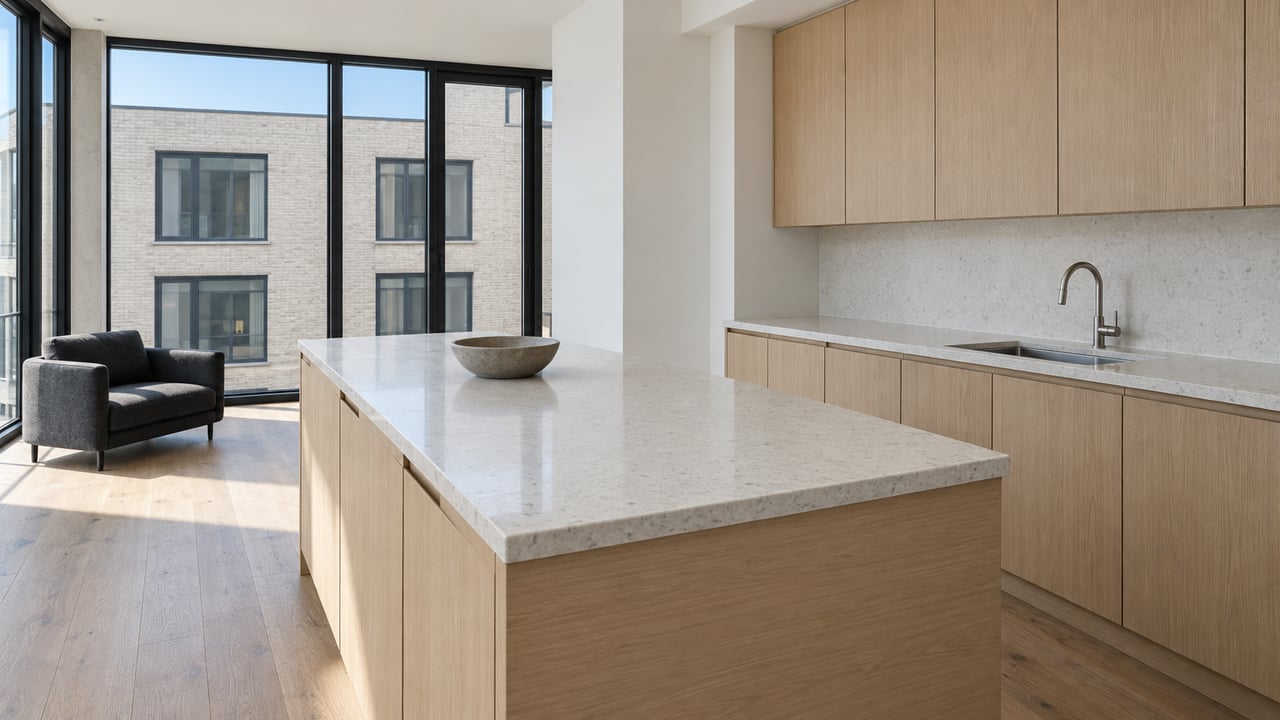
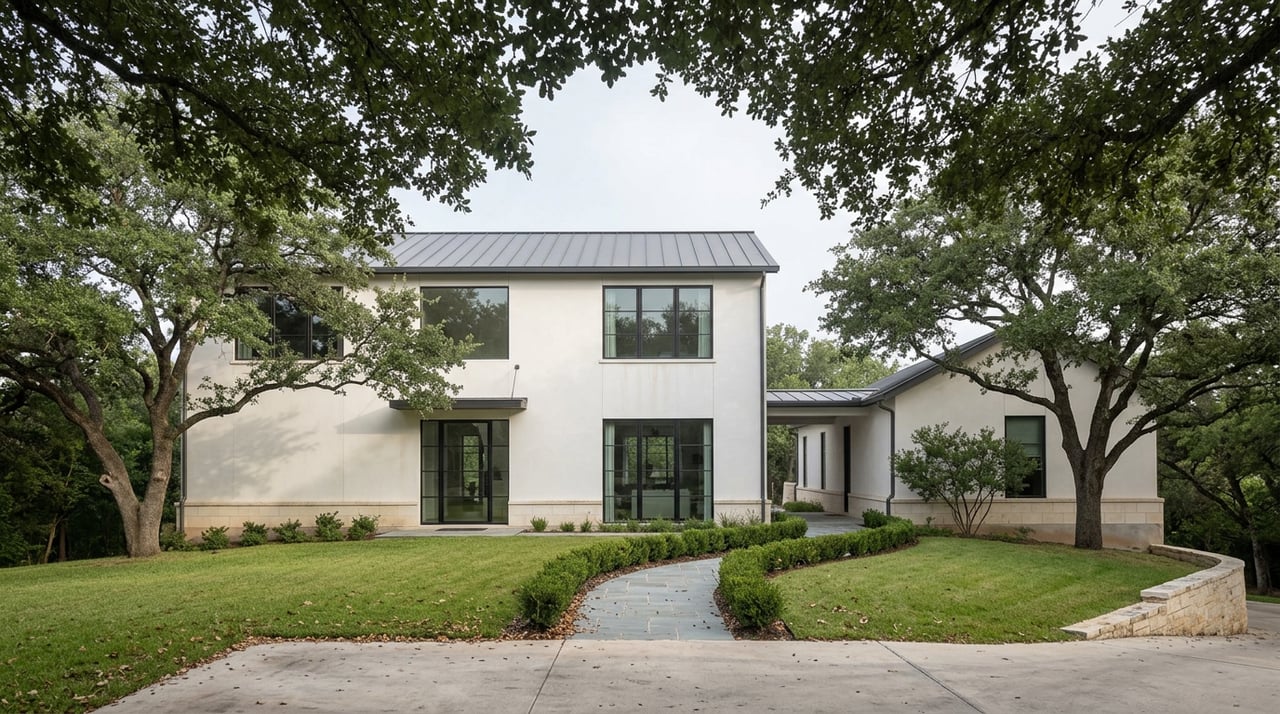
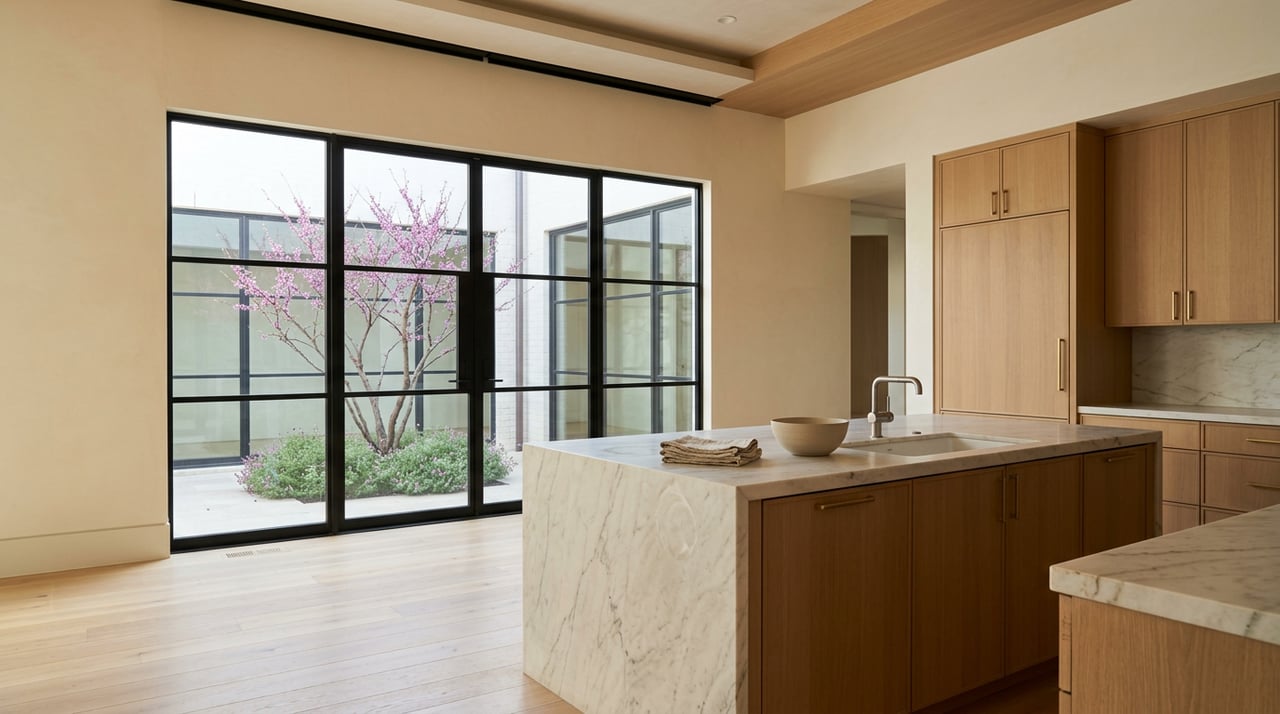
Newer construction has introduced bold contemporary architecture across all three neighborhoods. In Zilker, modern homes often replace older cottages, maximizing vertical space and efficiency. In Barton Hills and Tarrytown, contemporary designs tend to emphasize views and privacy.
Contemporary design elements
These homes represent the newest chapter of iconic home styles Austin.
Hill Country Transitional Homes
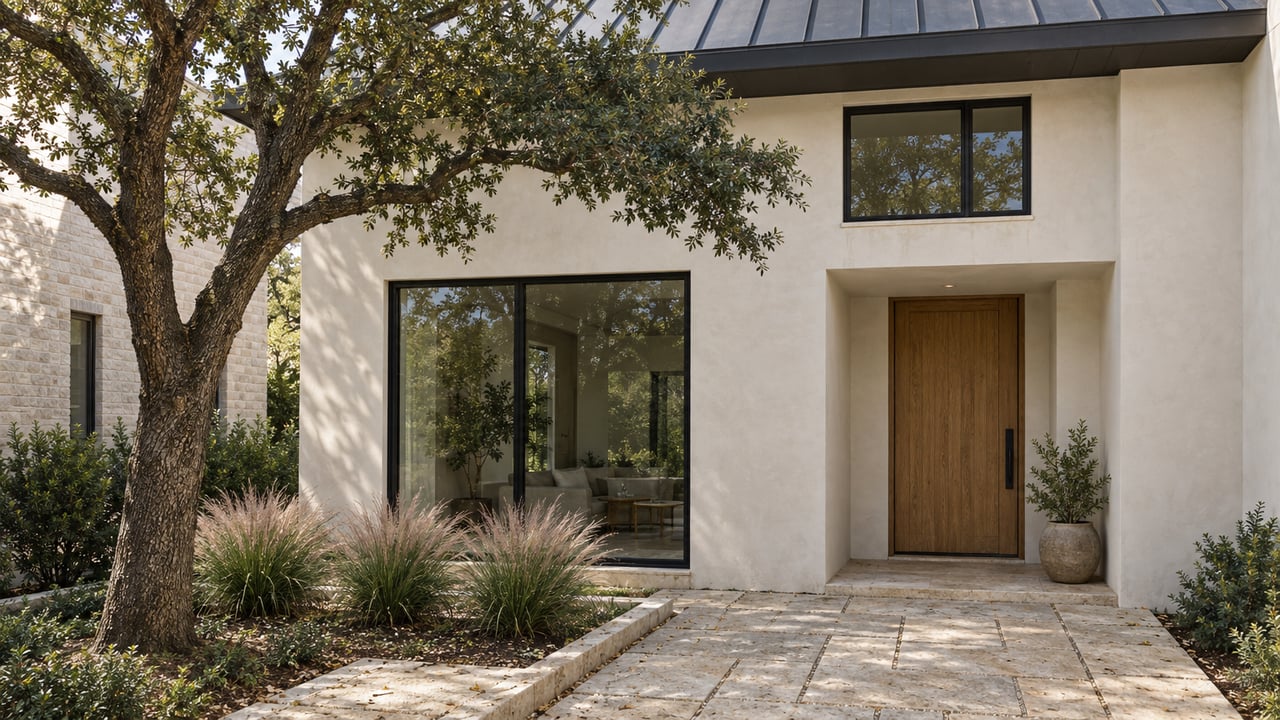
A growing number of homes blend modern design with Hill Country materials. Stone, wood, and metal accents are combined with open layouts and energy-efficient systems.
Transitional style identifiers
This style is prevalent in the greenbelt areas of Barton Hills.
How Lot Size Shapes Architectural Expression
Architecture adapts to land constraints. Smaller Zilker lots favor vertical or compact designs, while Tarrytown’s deeper parcels allow sprawling footprints. Barton Hills sits between the two, often using elevation to enhance design.
Lot-driven design factors
-
Setback requirements
-
Topography
-
Privacy considerations
Architecture adapts to land constraints and, when appropriately executed, informs long-term usability.
How Buyers Evaluate Architectural Value
A well-designed home, regardless of era, tends to outperform trend-driven properties. In these neighborhoods, thoughtful design is often rewarded more than sheer size.
What buyers prioritize
-
Functional layouts
-
Natural light
-
Outdoor connection
Buyers assess architecture based on livability, adaptability, and future potential.
The Role of Architecture in Resale Strategy
Sellers benefit from understanding how their home’s style fits the neighborhood.
Architecture-aware selling strategies
-
Targeted marketing
-
Accurate pricing
-
Strategic staging
Misalignment between price and style can limit interest. Proper positioning highlights architectural strengths and attracts the right buyer pool.
FAQs
Which home style is most popular in these neighborhoods?
Demand varies, but well-executed mid-century and contemporary homes consistently perform well.
Do original homes hold value compared to new builds?
Yes, especially when the original character is preserved and updated thoughtfully.
Does architectural style affect renovation costs?
Absolutely, as structural systems and materials vary widely by era.
Contact Darsh Parikh Today
Architecture influences not only how a home looks, but how it lives and performs in the market. I’ll help you navigate architectural considerations, assess opportunities, and position your home effectively within Austin’s unique real estate landscape.
If you’re buying or selling in Greater Austin, reach out to me,
Darsh Parikh.