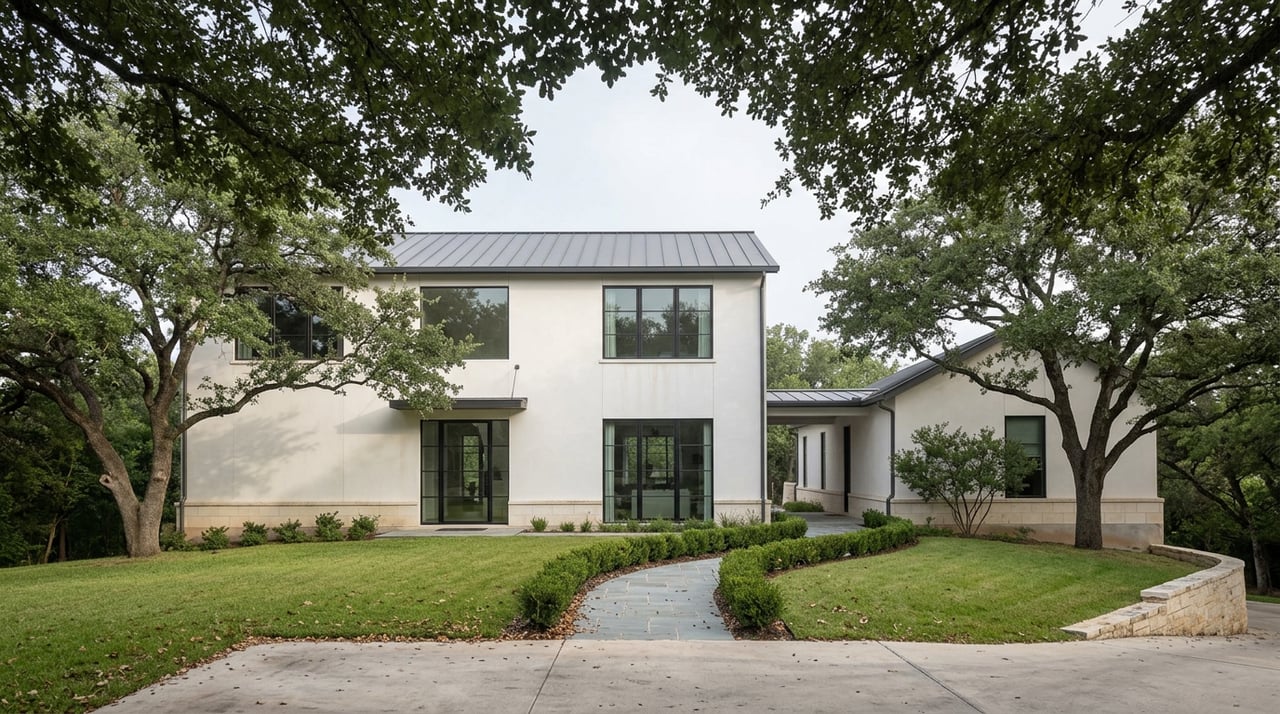
West Lake Hills Cut Its Tax Rate Again. Here's Why Your Bill Isn't Following It Down.
September 24, 2026
September 24, 2026
A buyer comparing a home in Tarrytown to one in West Lake Hills often hears the same pitch before they've even toured the second property: West Lake Hills has the lowest property tax rate in the Austin metro. It's true. It's also the reason more than one relocating buyer has been surprised at the closing table when the annual tax line on their loan estimate didn't shrink the way the rate comparison suggested it would.
The rate is real. The math underneath it is more complicated, and it's worth walking through before anyone writes an offer on either side of that comparison.
On September 9, 2026, the West Lake Hills City Council approved its fiscal year 2026-27 budget along with a no-new-revenue tax rate of $0.174896 per $100 of assessed valuation, down slightly from $0.176783 the year before. For the average home in the city, that works out to an annual city tax bill of $3,918.36, a decrease of a little over $40 from the prior year.
That's not a large cut, but the direction matters to how the city talks about itself. Property taxes account for roughly 80 percent of West Lake Hills' total revenue and are projected to bring in more than $6.15 million under the new budget, funding an $8.95 million general fund and a $3.19 million wastewater fund. The police department's share of general fund spending is actually going up, by close to $100,000, even as the rate on paper goes down. The prior year's budget had run a roughly $196,000 shortfall covered by fund balance, and this year's budget includes a projected $5 million unrestricted general fund balance.
None of that is dramatic on its own. What it does is confirm the headline: West Lake Hills is, again, running one of the lowest municipal tax rates of any incorporated city in the region. The question a buyer actually needs answered is why that headline rate doesn't translate into a proportionally lower total bill compared to nearby Austin neighborhoods.
A Texas property tax bill isn't one number. It's a stack of separate rates set by separate governments, all applied to the same appraised value: the county, the school district, the city, and a few smaller entities layered on top. West Lake Hills sits inside Eanes Independent School District rather than Austin ISD, and the city's own tax rate does more to explain the rate gap than that single boundary line does.
| Taxing Entity | West Lake Hills (Eanes ISD) | Austin-proper comparison (Austin ISD) |
|---|---|---|
| Travis County | $0.3758 | $0.3758 |
| School District | roughly $0.79 to $0.83 | roughly $0.87 to $0.93 |
| City | $0.174896 (new for FY 2026-27) | $0.5240 |
| Effective combined rate | about 1.78% | about 1.97% |
The county line is identical either way. The gap comes from two places: Eanes ISD typically runs a somewhat lower rate than Austin ISD, and West Lake Hills' own city rate is a fraction of what the City of Austin charges. Rollingwood, the other small incorporated city inside Eanes ISD, runs its own rate around $0.2020, a bit higher than West Lake Hills but still far below Austin's municipal rate. West Lake Hills has operated as its own incorporated city, with its own government and police department, since 1953, and that independence is what lets it set a city rate this small while still funding its own wastewater utility rather than relying on a municipal utility district layered onto the bill.
Put simply: the "lowest rate in the metro" headline isn't really about West Lake Hills governing more cheaply than Austin. It's about which taxing entities apply to a given address, and the city-rate line is doing most of the work.
Here's the part the rate comparison leaves out. A tax bill is the rate multiplied by the appraised value, and in West Lake Hills the second number is doing far more work than the first. The average appraised residence in the city now sits at nearly $2.49 million. Against a base that large, a rate reduction of just under two-tenths of a cent per $100 saves a homeowner about $40 a year. The rate moved. The appraised value didn't sit still long enough to let that movement matter.
This is the mechanism a buyer comparing two similarly priced homes across a city line needs to understand: the rate determines how the bill is calculated, but the appraised value determines the base it's calculated against, and in this market the base has been rising faster than any local government has been cutting rates. A buyer who picks West Lake Hills purely because of the rate headline, without pricing in what the specific lot is likely to appraise for next year, is comparing the wrong variable.
Two things soften this for owners who stay put. Texas has a rule limiting annual appraisal increases. And the state has a school-district homestead exemption.
Rate and appraisal aside, buyers also lean on the median sale price to gauge whether a neighborhood is in reach. In West Lake Hills right now, that number depends entirely on which source you're looking at and, more importantly, which few weeks of sales it's built from.
One portal's August 2026 read showed 22 homes sold at a median list price of roughly $2.97 million, with an average of 73 days on market. A separate 30-day snapshot around the same time showed a median sale price of $3.6 million, built from just two closings, with a median days-on-market figure over 200, a number almost certainly skewed by those same two homes having sat unusually long. A third measure, built from an index of estimated values across every home in the city rather than actual closings, put the average home value closer to $2.2 million.
None of these are wrong. They're measuring different things over different windows in a market where very few homes trade in any given month. When your sample size is two or twenty rather than two hundred, one large estate sale or one smaller entry-level closing can move the reported median by seven figures without the underlying market having shifted at all. That's the same reason city-wide median comparisons break down anywhere sales volume is thin, and West Lake Hills is a clear example of it.
For a buyer weighing a West Lake Hills property against something inside Austin's city limits, the headline rate and the headline median are both starting points, not answers. Before writing an offer, it's worth pinning down:
Does a lower tax rate always mean a lower total bill? Not necessarily. The rate is one side of the equation. When the appraised value on one side of a comparison is meaningfully higher than the other, a lower rate can still produce a comparable or higher dollar bill.
Is West Lake Hills' rate cut likely to continue? The city has trimmed its rate two years in a row while managing a real budget shortfall the year before, which suggests the council is balancing competing pressures rather than steadily cutting. Future rates will depend on how the city's own costs, particularly public safety, continue to move.
Why does the median price for West Lake Hills look so different depending on where I check? Low monthly sales volume. A market with only a handful of closings a month will show a different median depending on which few homes happened to close in that particular window, which is why a single per-lot comparison tells you more than any city-wide figure.
Comparing West Lake Hills to an Austin-proper neighborhood isn't a matter of picking the smaller number on a tax rate chart. It's a matter of understanding which government entities apply to a specific address, what that address is actually appraised at today, and how thin the recent sales data really is before treating any published median as fact.
If you're weighing a purchase between West Lake Hills and a City of Austin neighborhood and want the actual rate stack and comps run for a specific address, Darsh Parikh and the team can walk through the numbers with you. Let's Connect.
This article is general information, not legal, tax or financial advice. Consult a qualified professional about your situation.
Stay up to date on the latest real estate trends.
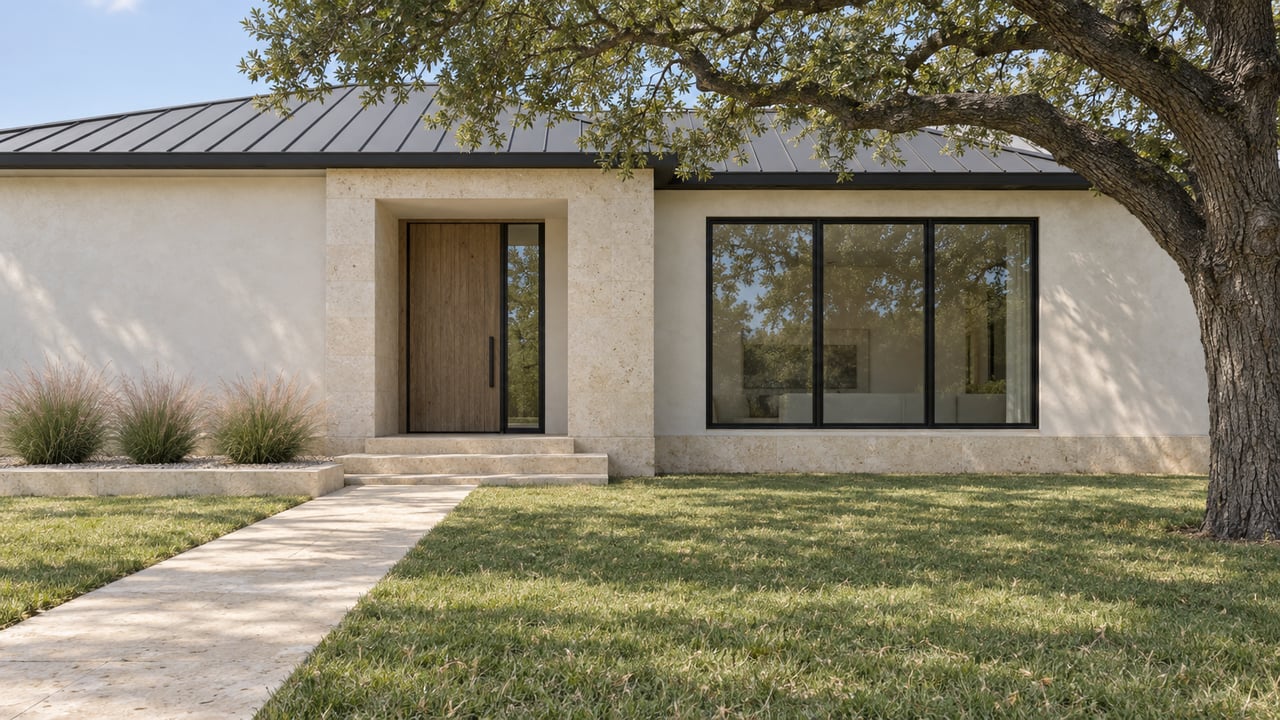
Beyond the broad appeal of a Westlake address, maximizing your home's sale depends on attracting the right buyer.

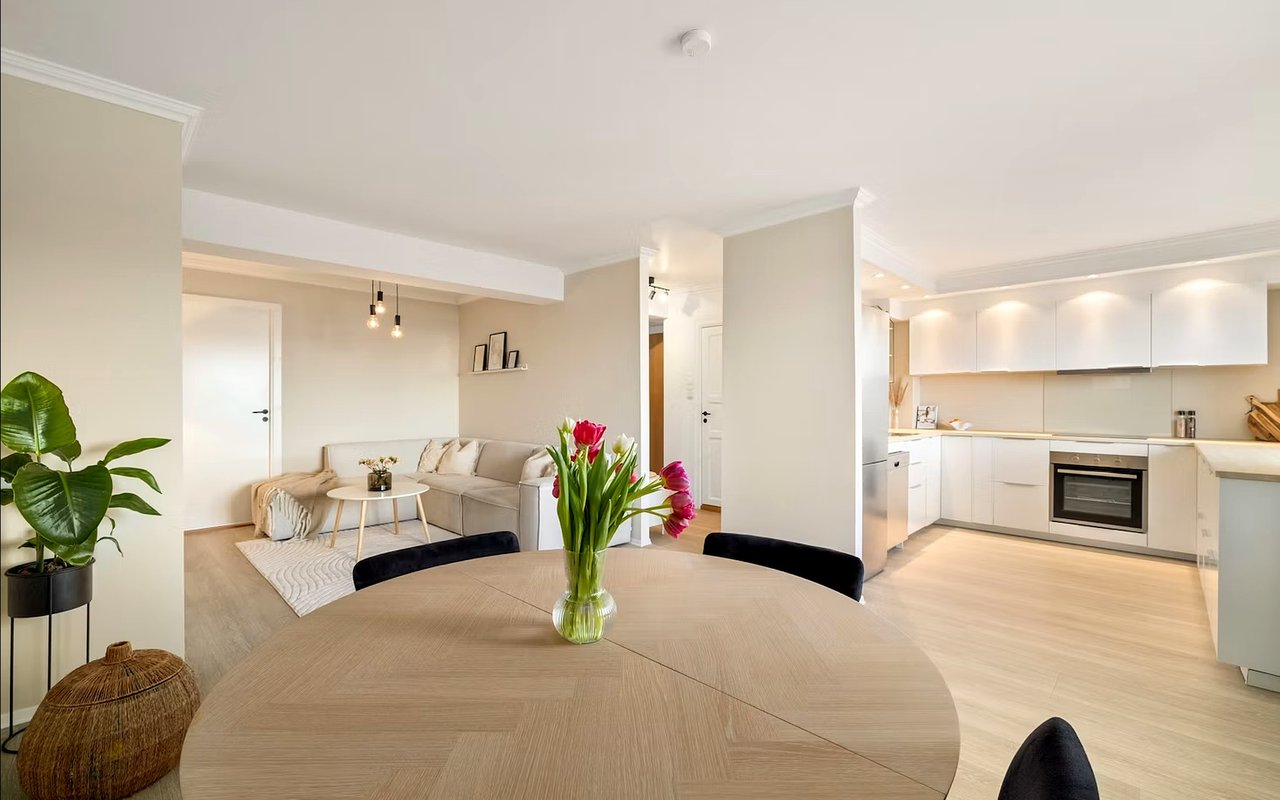
Explore the appeal of Tarrytown and what to consider before buying a home in one of Austin's best neighborhoods.
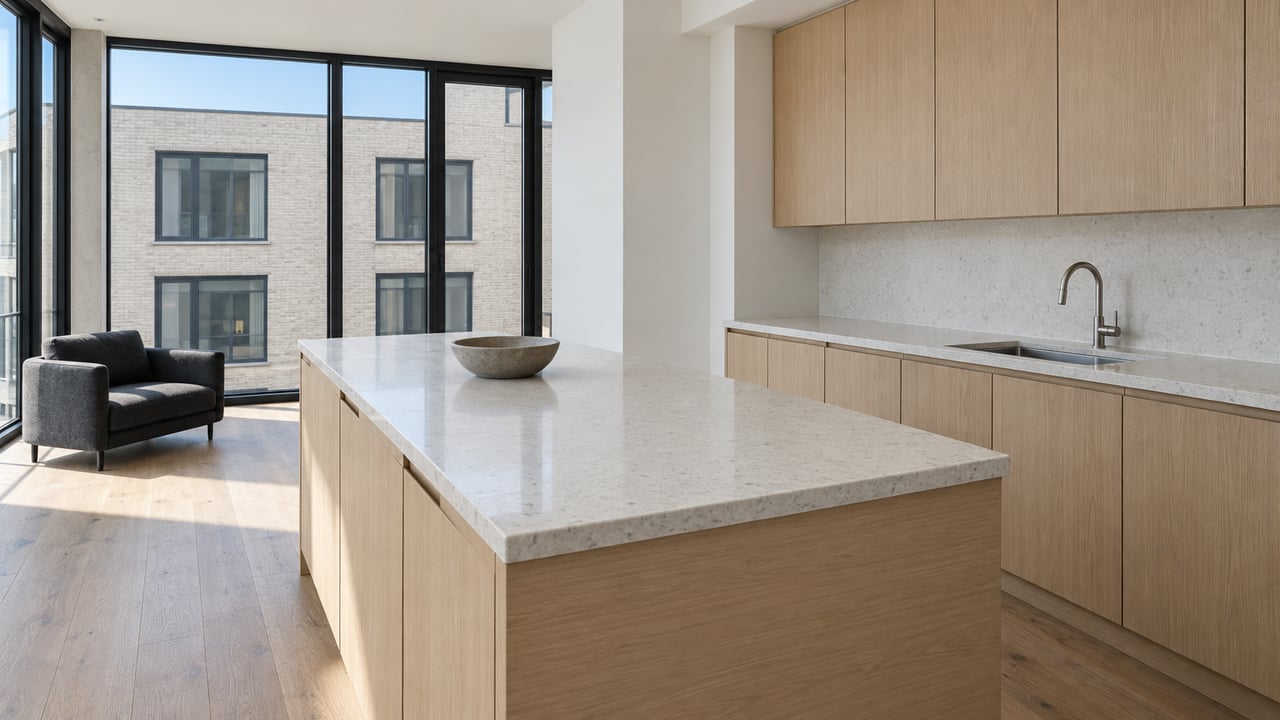
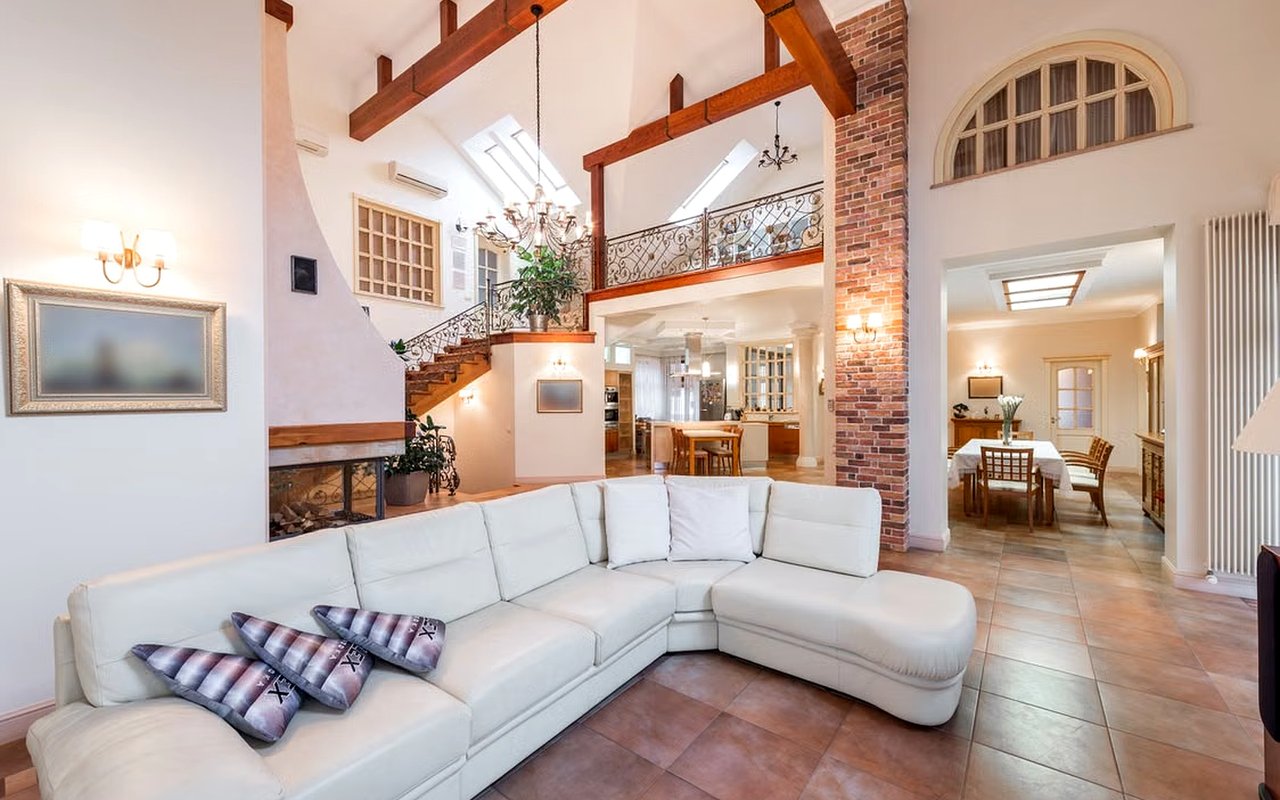
A Guide to Selling Your Multimillion-Dollar Austin Home.
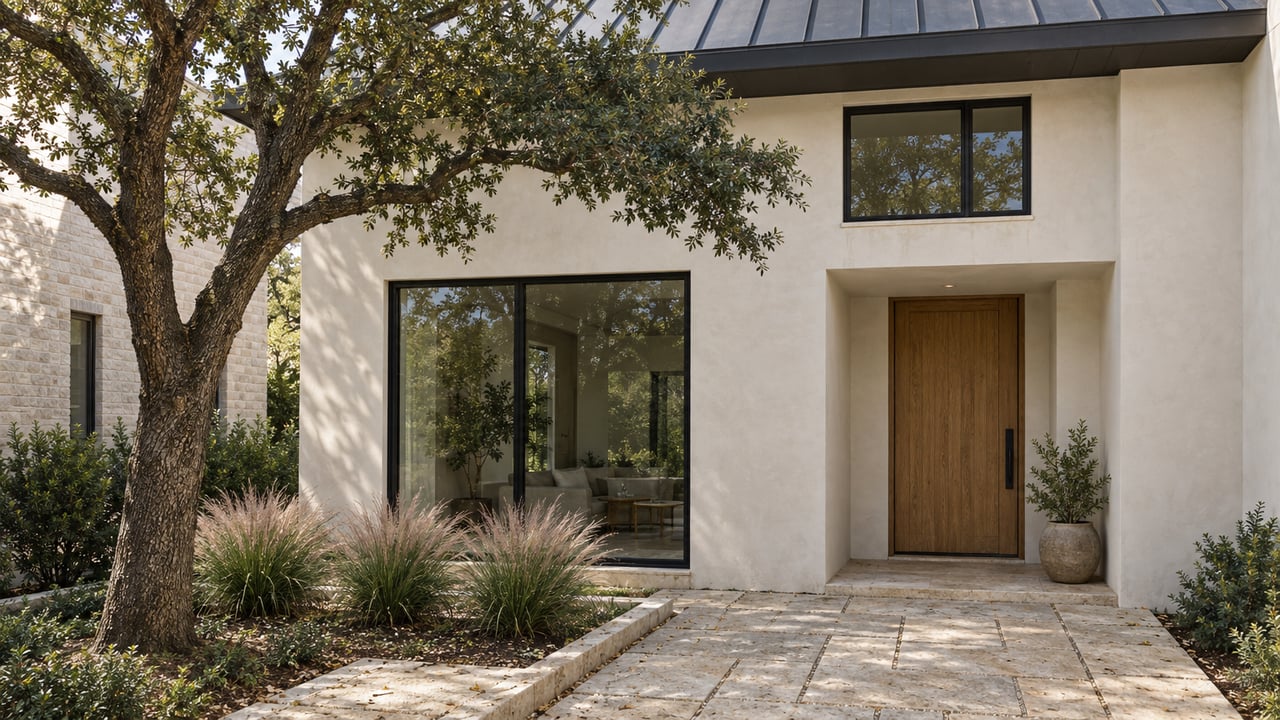
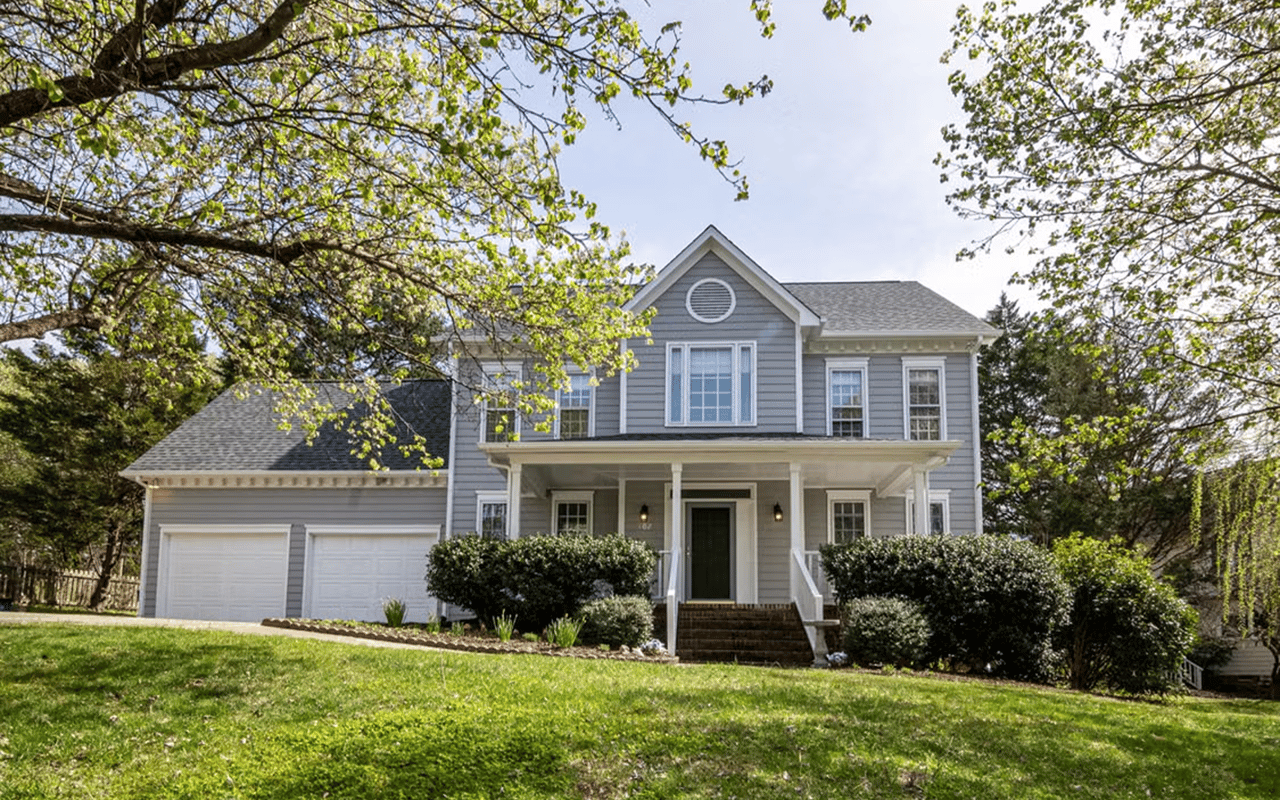
Exploring Austin's majestic Barton Hills community, among the city's most sought-after residential destinations.
Work with a top real estate expert in Austin. Buying or selling a home, they can help you. Contact them now to start your home-searching journey!