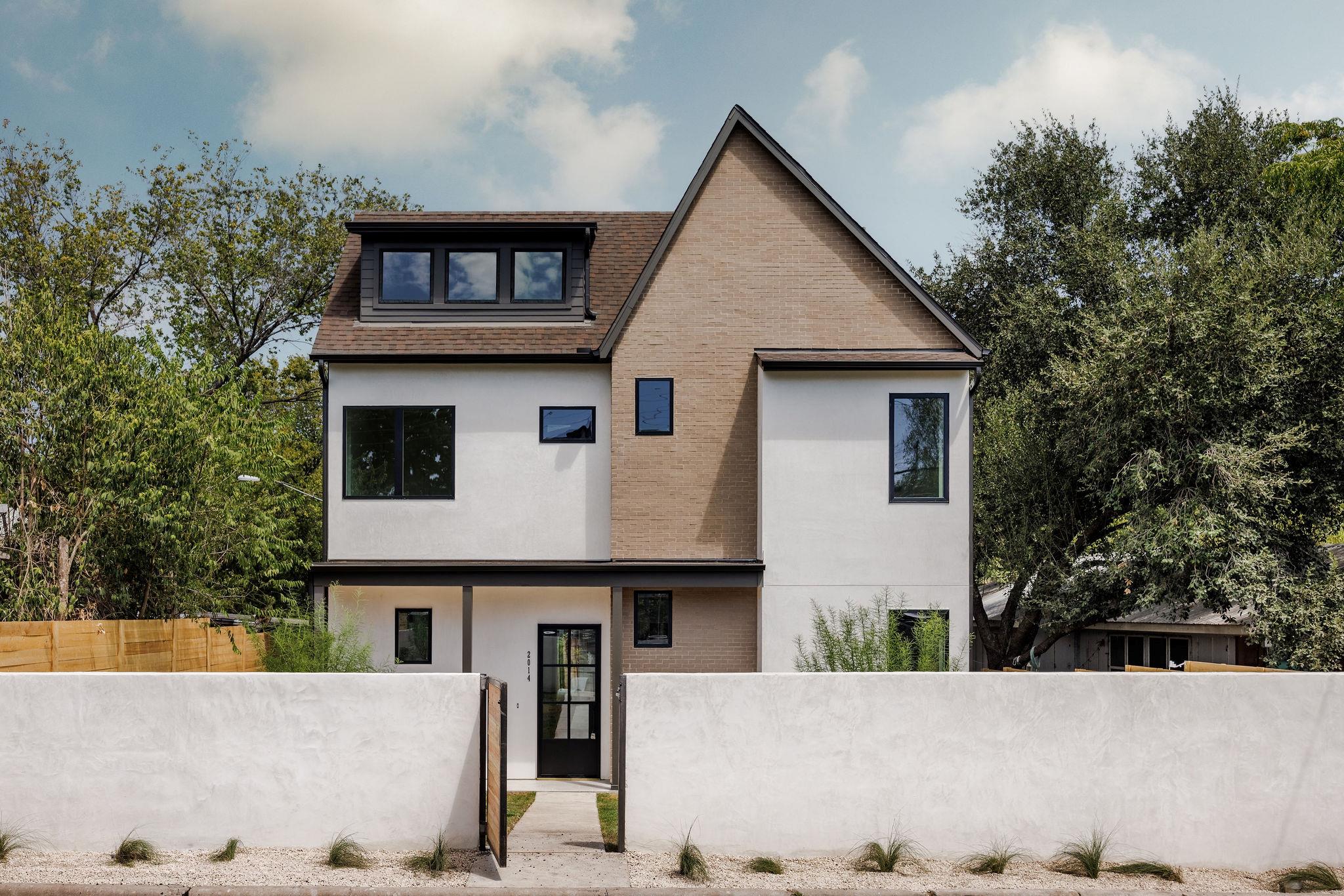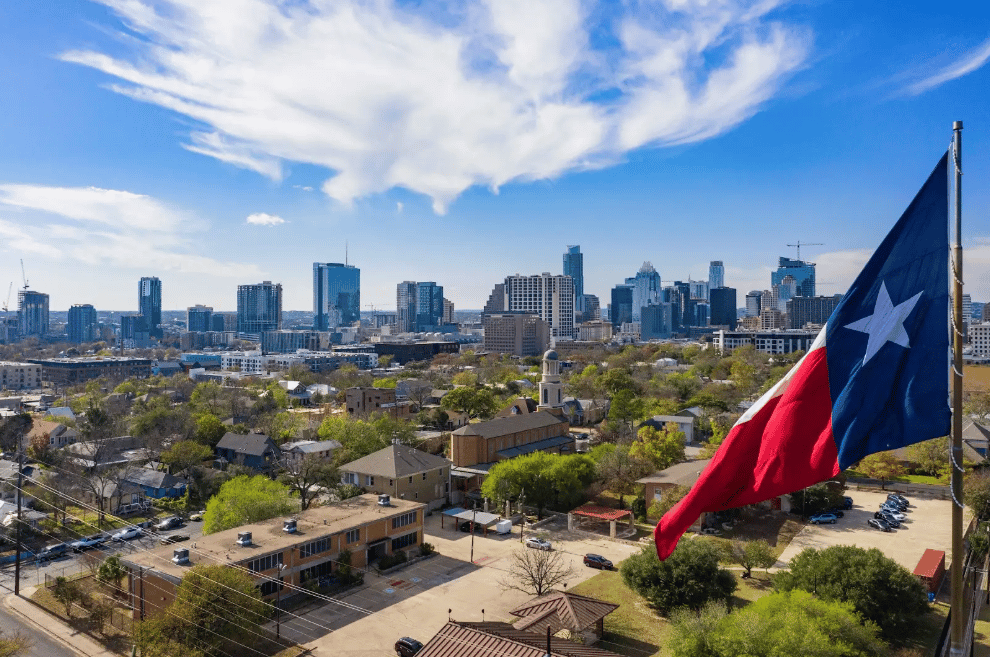
Explore East Austin Homes for Sale and Local Living
One of Austin's most unique urban areas.
One of Austin's most unique urban areas.
East Austin represents one of the most dynamic and culturally significant neighborhoods in the Texas capital, encompassing primarily the 78702, 78721, 78722, and 78723 zip codes. Bounded by Interstate 35 to the west, Lady Bird Lake to the south, Manor Road to the north, and extending east toward Airport Boulevard and beyond, this area has undergone a remarkable transformation over the past two decades while retaining elements of its historic character.
The neighborhood's identity is deeply rooted in its history. Following Austin's 1928 Master Plan—which effectively segregated Black residents east of what is now I-35—East Austin became home to thriving African American and Hispanic communities. Churches, schools, and local businesses formed the backbone of these neighborhoods for generations. Today, East Austin has emerged as one of the most sought-after areas in the city, recognized by Time Out magazine as "Austin's Coolest Neighborhood" and ranked among the most gentrified zip codes in America.
The geography transitions from flat, walkable streets near downtown to gently rolling terrain as you move east. The Colorado River forms the southern boundary, with Lady Bird Lake providing waterfront access and recreational opportunities. The former Robert Mueller Municipal Airport, now transformed into the master-planned Mueller development, anchors the northern portion of the area. Street grids follow a traditional pattern in historic neighborhoods like Holly, Cherrywood, and East Cesar Chavez, while newer developments like Mueller feature contemporary urban planning principles with pedestrian-friendly design.
What defines East Austin today is its eclectic blend of old and new: century-old bungalows sharing blocks with sleek modern builds, legendary Tex-Mex institutions operating alongside James Beard Award-winning restaurants, and long-time residents coexisting with young professionals drawn by the area's proximity to downtown and vibrant cultural scene. The neighborhood pulses with creativity, from colorful murals adorning building walls to live music spilling from honky-tonks and cocktail bars along East 6th Street.
East Austin's location provides exceptional connectivity to the greater Austin metropolitan area, making it one of the most commute-friendly neighborhoods in the city. The western boundary along Interstate 35 offers direct north-south access, while East Cesar Chavez Street, Martin Luther King Jr. Boulevard, and Manor Road serve as primary east-west arterials. Airport Boulevard provides a diagonal corridor connecting neighborhoods like Mueller and Windsor Park to downtown and Austin-Bergstrom International Airport.
Proximity to downtown Austin is perhaps East Austin's most significant locational advantage. From the Holly neighborhood, the central business district is less than two miles away—a distance easily covered by bicycle, scooter, or a short bus ride. The Congress Avenue Bridge and I-35 crossings at Cesar Chavez and 6th Street provide multiple access points to downtown, while the Ann and Roy Butler Hike-and-Bike Trail offers a scenic pedestrian and cycling route along Lady Bird Lake.
Capital Metro (CapMetro) serves East Austin with multiple bus routes operating on 15-30 minute frequencies along major corridors. The Route 350 along Airport Boulevard connects to Austin-Bergstrom International Airport, while the MetroRail Red Line includes a Plaza Saltillo station serving the East Cesar Chavez area. Under CapMetro's Transit Plan 2035, frequency improvements and new east-west connections are planned to further enhance service. The 5.1-mile EastLink Trail, currently under development, will eventually connect Bartholomew Park to Lady Bird Lake, providing a dedicated pedestrian and cycling corridor through Central East Austin.
For cyclists, East Austin offers some of the city's most bikeable infrastructure. Protected bike lanes, shared-use paths, and the CapMetro Bikeshare program with approximately 75 stations make car-free commuting practical for many residents. The relatively flat terrain and grid street pattern facilitate cycling, and the proximity to downtown means commute times by bicycle often rival or beat driving during peak traffic hours. Typical commute times from East Austin to downtown range from 10-25 minutes by bus, bike, or car outside peak hours, making it an attractive option for urban professionals prioritizing walkability and transit access.
The East Austin housing market reflects the neighborhood's dramatic evolution. According to Redfin data, the median sale price in East Austin reached $553,000 as of mid-2025, down approximately 3.1% year-over-year—a correction following years of explosive growth. Homes typically sell after 66 days on market, compared to 56 days the previous year, indicating a shift toward more balanced conditions. The median sale price per square foot stands at $377, positioning East Austin as a premium market within the Austin metro while remaining more accessible than established west-side neighborhoods.
Property types span an exceptional range. Historic neighborhoods like Cherrywood, French Place, and Holly feature original 1930s-1950s bungalows and craftsman cottages, many under 1,200 square feet on lots ranging from 0.1 to 0.2 acres. These original homes, when unrenovated, attract buyers seeking restoration projects, while fully updated versions command premium prices. Mid-century ranch homes populate Delwood and Windsor Park, offering larger footprints and lots compared to the closer-in neighborhoods.
Modern construction takes multiple forms throughout East Austin. Custom contemporary homes—often replacing older structures—feature open floor plans, rooftop decks, and sustainable design elements. The Mueller master-planned community showcases new urbanist principles with single-family homes, townhomes, row houses, and condominiums designed around walkability and green space. Developments like the Saltillo District near the Plaza Saltillo rail station combine residential units with retail and office space in mixed-use configurations.
Pricing varies significantly by micro-location. The Holly neighborhood, with its Lady Bird Lake proximity and walkability to downtown, commands median home values around $884,500. Mueller homes average approximately $929,000, reflecting the amenity-rich planned community. Cherrywood offers a relative value at a median around $659,500, while farther-east areas like Windsor Park and Govalle provide entry points below $500,000 for buyers prioritizing affordability over immediate walkability to downtown.
New development continues reshaping the landscape. Infill construction fills vacant lots and replaces aging structures, often with duplexes or small multifamily buildings enabled by recent zoning changes like the HOME (Home Options for Mobility and Equity) initiative. Multi-story apartment and condominium projects cluster along major corridors, particularly near the Plaza Saltillo station and East 6th Street. This ongoing construction maintains inventory levels but also contributes to the neighborhood's evolving character.
Purchasing property in East Austin requires attention to several neighborhood-specific factors that can significantly impact ownership experience and long-term value.
Flood Risk and Insurance: According to First Street Foundation data, approximately 16% of East Austin properties face risk of severe flooding over the next 30 years, with 2,390 properties identified as likely to be severely affected. The neighborhood's proximity to Lady Bird Lake and Boggy Creek creates flood zone concerns in certain areas. Buyers should verify FEMA flood zone designations for any property under consideration and budget for flood insurance accordingly—even properties outside high-risk zones can flood, and standard homeowners policies exclude flood damage.
Wildfire and Environmental Considerations: Wildfire risk affects 59% of East Austin properties according to risk assessments, primarily due to Central Texas's hot, dry summers and proximity to vegetated areas. While less severe than Hill Country properties, buyers should consider defensible space around structures and insurance implications. Heat risk is also significant—the area expects increasing numbers of extreme heat days annually.
Property Age and Condition: Many East Austin homes date to the 1930s through 1950s, requiring buyers to carefully assess foundation conditions, electrical systems, plumbing, and potential lead paint or asbestos concerns. Pier-and-beam foundations common in older homes can shift on Austin's expansive clay soils. Budget for thorough inspections and potential remediation costs. Conversely, new construction may lack the character of historic homes and sits on smaller lots typical of infill development.
Zoning and Future Development: East Austin's rapid development means adjacent vacant lots or aging structures could become multi-story buildings. Review current zoning designations and any pending development applications for nearby parcels. Recent zoning changes allow increased density in many areas, potentially affecting privacy, parking, and neighborhood character. The ongoing East Austin planning initiative for the 78702 and 78721 zip codes may introduce additional regulations or overlay zones.
HOA and Deed Restrictions: HOA presence varies dramatically across East Austin. Mueller properties are governed by a community association with fees, design standards, and amenity access. Historic neighborhoods typically lack formal HOAs but may have deed restrictions affecting modifications. Some newer developments introduce HOA requirements where none previously existed. Verify any covenants, conditions, and restrictions (CC&Rs) before purchase.
Parking and Street Access: Street parking competition intensifies near popular dining and entertainment corridors along East 6th Street, Manor Road, and East Cesar Chavez. Many historic homes lack garages or offer only single-car carports. Newer construction often includes alley-loaded garages but limited on-street parking. Consider parking availability when evaluating properties, particularly if the household includes multiple vehicles.
Noise and Activity Levels: Proximity to entertainment districts means noise from live music venues, bars, and late-night activity. I-35 traffic generates constant background noise for properties near the highway. Airport approach paths affect some eastern portions of the area. Short-term rental proliferation in certain blocks can introduce transient neighbors and party activity. Visit prospective properties at different times and days to assess noise levels.
School Attendance Zones: Austin ISD boundaries don't follow neighborhood lines neatly, and attendance zones shift periodically. Verify current elementary, middle, and high school assignments for specific addresses, as assumptions based on proximity can prove incorrect. Charter school options provide alternatives but require application processes and lottery admission.
Market Speed and Competition: While market conditions have normalized from pandemic-era frenzy, well-priced properties in desirable micro-locations still move quickly. The average close-to-list price ratio of approximately 92-93% indicates negotiation room exists, but waiting too long on attractive listings risks losing opportunities. Work with agents experienced in East Austin who can provide real-time market intelligence and competitive offer strategies.
Property Tax Burden: Travis County's property tax rates, combined with rapidly appreciating values, create significant annual tax burdens. East Austin neighborhoods have experienced some of the steepest property tax increases in the city—in some areas, taxes doubled or tripled between 2006 and 2015. Budget accordingly and explore homestead exemptions, which provide meaningful relief for primary residences.
Selling in East Austin requires strategic positioning to capture the neighborhood's premium while navigating current market dynamics.
Seasonality and Timing: Austin's real estate market exhibits pronounced seasonality. Peak listing activity occurs during spring months (March through May), when buyer demand is highest and families plan summer relocations. Summer maintains strong activity driven by families wanting to move before school begins. Fall and winter months see reduced activity, though serious buyers remain in the market. Homes listed in spring typically sell faster and closer to asking price. However, reduced competition during off-peak seasons can benefit sellers with unique properties. Consider that closings occur 30-45 days after contract execution, so spring sales require listing by late February or early March.
Pricing Strategy: With current market conditions showing homes selling at approximately 92-93% of list price and averaging 66+ days on market, accurate pricing is critical. Overpricing leads to extended market time, price reductions, and ultimate sales below what correct initial pricing would have achieved. East Austin's micro-market variations mean comparable sales must be drawn from immediately adjacent areas—a Cherrywood comp may not accurately reflect Holly values, despite geographic proximity. Professional comparative market analysis should account for renovation quality, lot size, and specific block characteristics.
Staging and Presentation: East Austin buyers span demographics from young professionals seeking urban lifestyles to families drawn by school options and outdoor amenities. Staging should emphasize livable spaces and flow rather than sterile showroom aesthetics. Highlight indoor-outdoor connections, especially if the property features patios, porches, or yard space—outdoor living areas resonate strongly in Austin's climate. Professional photography is essential given online-first buyer behavior. Consider virtual tours and video walkthroughs to capture the neighborhood context that makes East Austin appealing.
Buyer Demographics: Understanding likely buyer profiles helps tailor marketing. Young professionals and couples without children often prioritize walkability, proximity to entertainment, and modern finishes. Families focus on yard space, school zones, and quiet streets. Investors evaluate rental potential and cash flow. Remote workers value dedicated office space and reliable internet connectivity. Highlight features most relevant to your property's likely buyer pool while maintaining broad appeal.
Value-Adding Improvements: Strategic pre-sale improvements can yield positive returns. Kitchen and bathroom updates consistently add value, particularly in homes with dated finishes. Fresh paint in neutral tones appeals broadly. Landscaping improvements enhance curb appeal at modest cost. Addressing deferred maintenance—aging HVAC systems, worn roofing, foundation issues—removes buyer objections and inspection contingency risks. Accessory dwelling units (ADUs) or the potential to add them increasingly interest buyers seeking rental income or multigenerational living options.
Disclosure and Transparency: Texas seller disclosure requirements mandate revealing known material defects. In East Austin's older housing stock, this includes foundation issues, past flooding, lead paint presence, and environmental concerns. Proactive disclosure builds buyer confidence and reduces risk of post-sale disputes. Consider pre-listing inspections to identify and address issues before they derail transactions.
Marketing East Austin's Lifestyle: Beyond property features, sell the East Austin lifestyle. Proximity to Franklin Barbecue, the creativity of the mural scene, walkability to Lady Bird Lake trails, the energy of East 6th Street nightlife—these intangibles differentiate East Austin from suburban alternatives. Marketing materials should convey neighborhood character through compelling imagery and narrative that helps buyers envision their life in the community.
East Austin has emerged as Austin's culinary epicenter, offering an extraordinary concentration of acclaimed restaurants, innovative food trucks, craft breweries, and specialty coffee roasters that rival any urban food scene in America.
Barbecue: The neighborhood anchors Austin's reputation as a barbecue destination. Franklin Barbecue, where Aaron Franklin earned the first-ever James Beard Award for Best Chef: Southwest given to a pitmaster, operates on East 11th Street—lines form hours before opening for brisket that has hosted President Obama and Anthony Bourdain. La Barbecue, one of few female-owned top BBQ operations, serves exceptional brisket and pork ribs from their East Cesar Chavez restaurant. Micklethwait Craft Meats operates from a trailer in an old chapel, earning recognition on Texas Monthly's 50 Best BBQ list with creative specials like brisket Frito pie alongside classic smoked meats. Sam's BBQ has served the Rosewood neighborhood since 1957, cooking over an indoor brick pit in one of Austin's last truly old-school joints.
Farm-to-Table and Fine Dining: Dai Due exemplifies the farm-to-table movement, sourcing all ingredients from within 200 miles of Austin and emphasizing wild game—their dry-aged wagyu double cheeseburger ranks among the city's best. Birdie's, the family-run counter-service spot from Houston native Tracy Malechek-Ezekiel, has quickly become one of East Austin's most acclaimed restaurants with seasonal American dishes showing Italian and French influences. Launderette occupies a converted laundromat in the Holly neighborhood, serving creative American fare in a space as striking as the food. Canje brings modern Caribbean cuisine to East 6th Street, with chef Tavel Bristol-Joseph (a 2024 James Beard Award semifinalist) offering dishes like jerk chicken with ginger pineapple glaze.
Casual and International Cuisines: The neighborhood's culinary diversity spans global cuisines. OKO celebrates Filipino food on East 6th Street with dishes like lechon and oxtail Kare-Kare. Buenos Aires Café serves Argentine fare with a secret downstairs Milonga Room. Veracruz Fonda & Bar in Mueller offers authentic Mexican dishes and mezcal cocktails. Juan in a Million in Holly has anchored the community since 1981 with legendary breakfast tacos. Patrizi's serves pulled-to-order pasta from family recipes at their Manor Road food truck. The range extends from Thai street food at Dee Dee to coastal Mexican seafood at Con Vista Al Mar.
Breweries and Craft Beer: Craft brewing thrives throughout East Austin. Blue Owl Brewing on East Cesar Chavez specializes in sour beers using their signature sour-mashing technique. Zilker Brewing Company operates a taproom on East 6th with the Spicy Boys food truck on-site. Lazarus Brewing combines craft beer with coffee and tacos in a community-focused space. Central Machine Works occupies a converted machine shop serving microbrews alongside pub fare. Oddwood Brewing on Manor Road pairs award-winning IPAs with Italian wines and hosts KG BBQ's acclaimed food truck featuring Egyptian-influenced Texas barbecue. Hi Sign Brewing offers cocktails on draft alongside craft beer in an eclectic east-side setting.
Cocktails and Nightlife: East 6th Street has evolved into Austin's premier cocktail destination. Whisler's anchors the scene with impeccably crafted cocktails and prime patio people-watching. The White Horse brings honky-tonk to East Austin with live country music and two-stepping seven nights a week. The Flower Shop, a New York transplant, offers a three-story retro space with a hidden rooftop speakeasy. Papercut serves creative cocktails in an intimate setting, now with Konbini serving nigiri and sashimi as a permanent pop-up. Newcomers like Dainty Dillo (from the Armadillo Den team) and Project Disco (a speakeasy within Progress Coffee) continue expanding options.
Coffee Culture: Coffee culture runs deep in East Austin. Greater Goods roasts specialty beans in a converted warehouse space. Thunderbird Coffee provides a neighborhood hangout with substantial outdoor seating. Cenote operates from an 1887 bungalow, sourcing vegetables from local farms and eggs from Vital Farms. Fleet Coffee and Houndstooth serve carefully crafted beverages. Sa-Tén combines Japanese coffee service with all-day dining. Rockman Coffee + Bakeshop, opened in 2024 by James Beard semifinalist Amanda Rockman, pairs exceptional pastries with quality coffee. Mercado Sin Nombre, named Best Cafe by Eater Austin, highlights Mexican heirloom corn alongside specialty coffee from their Pleasant Valley location. Palomino Coffee brings Marfa vibes to East 12th Street and Airport Boulevard. Dark Horse TCB offers 24-hour coffee service combined with tattoo, barbershop, and art gallery in a single space.
East Austin contains some of the city's most significant cultural and recreational destinations, from historic sites preserving community heritage to contemporary attractions drawing visitors citywide.
Lady Bird Lake and Waterfront: Lady Bird Lake forms East Austin's southern boundary, providing waterfront access unmatched in other Austin neighborhoods. The Ann and Roy Butler Hike-and-Bike Trail, one of the city's most popular recreational assets with over 2.6 million annual visits, traces the lakefront and connects to East Austin at multiple points including Festival Beach, Lakeshore Park, and the Boardwalk. The 1.1-mile Boardwalk section, completed in 2014, eliminated a gap that previously forced users onto busy Riverside Drive. Kayaking, paddleboarding, and rowing launch from east-side locations, while fishing is permitted in designated areas.
Mueller Lake Park: Mueller Lake Park serves as the centerpiece of the Mueller development, featuring a central lake surrounded by trails, lawns, and community gathering spaces. The park includes a fire pit area, amphitheater for performances, and connections to the broader 13-mile trail network throughout Mueller. Remnants of the former airport, including the control tower, have been preserved as historic elements. The Southwest Greenway within Mueller offers a more secluded natural experience with educational amenities about Central Texas prairie ecosystems developed in partnership with the Lady Bird Johnson Wildflower Center.
East 6th Street: East 6th Street has transformed from a neglected corridor into Austin's hippest entertainment district. The stretch east of I-35 offers a distinct character from downtown's "Dirty 6th"—here, craft cocktail bars, live music venues, and acclaimed restaurants occupy historic storefronts and repurposed buildings. The street comes alive at night with the White Horse's two-stepping, Whisler's sophisticated cocktail scene, and emerging venues constantly refreshing the mix. By day, boutiques, coffee shops, and galleries serve neighborhood residents. The IBIZ District designation recognizes the area's economic and cultural significance.
Street Art and Murals: East Austin functions as an open-air gallery, with murals and street art transforming building facades into cultural statements. Key works include the Rhapsody mosaic on East 11th Street honoring jazz and blues heritage with images of Muhammad Ali, James Brown, and Beyoncé; the We Rise mural at 12th and Chicon celebrating Black, Latino, Latina, and Indigenous figures; the Selena tribute paired with Loteria cards on Flat Track Coffee's exterior; the Viva la Vida Frida Kahlo mural on East 6th; and the Til Death Do Us Part skeleton couple on East Cesar Chavez popular for engagement photos. The Voyage to Soulsville mural at George Washington Carver Branch Library has depicted moments in Black American history since 1986. Muraling Austin, a documentary series, chronicles the artists and community organizers behind these works.
Cultural Institutions: The Thinkery children's museum in Mueller provides hands-on STEAM learning experiences. The Emma S. Barrientos Mexican American Cultural Center on Town Lake, scheduled for grand reopening in fall 2025 after renovation, promotes Mexican American, Native American, Chicano, and Latino cultures through visual and performing arts programming. Huston-Tillotson University, Austin's oldest institution of higher education, anchors the East Austin educational landscape and serves as the endpoint for the annual MLK Day march. Historic Six Square, the original Black business and cultural district, preserves community heritage while evolving.
Entertainment Venues: Beyond the East 6th Street corridor, East Austin hosts significant entertainment destinations. The Scoot Inn, one of Austin's oldest bars, presents live music in an intimate indoor-outdoor setting. The Vortex Theater provides artist-owned space for experimental performances and community events. Alamo Drafthouse Mueller combines first-run films with food and drink service. For sports enthusiasts, the adjacent Domain area includes Q2 Stadium for Austin FC soccer matches, accessible via the MetroRail Red Line.
East Austin prioritizes green space access, with 20% of the Mueller development alone dedicated to parkland and every Mueller resident living within 600 feet of community greenspace. Throughout the broader neighborhood, a network of parks and trails provides recreational opportunities ranging from structured athletics to passive nature enjoyment.
Major Parks: Edward Rendon Sr. Park at Festival Beach along the Hike-and-Bike Trail offers playgrounds, picnic facilities, grills, a swimming pool, and fishing pier with direct Lady Bird Lake access. Patterson Park in Cherrywood provides basketball and tennis courts, a skateboard park, and swimming pool serving that historic neighborhood. Bartholomew Park anchors the northern trail network with sports facilities and connections to the EastLink Trail. Metz Neighborhood Park and Holly Shores at Town Lake Metropolitan Park provide additional waterfront recreation. The Pharr Tennis Center near Mueller offers dedicated court facilities.
Trail Systems: The Ann and Roy Butler Hike-and-Bike Trail's 10-mile loop around Lady Bird Lake provides East Austin's primary recreational corridor, with multiple access points from the neighborhood. Mueller's internal trail network totals 13 miles of dedicated trails and protected bike lanes connecting to existing city parks including Bartholomew Park and Morris Williams Golf Course. The developing 5.1-mile EastLink Trail will connect Bartholomew Park to Lady Bird Lake through Central East Austin, with recent enhancements including public art installations. These interconnected systems enable car-free recreation and commuting throughout the area.
Fitness and Recreation: The Town Lake Fitness Course along Lady Bird Lake provides outdoor exercise stations for strength and cardio workouts. Mueller Lake Park includes outdoor exercise equipment, playscapes, and water fountains supporting structured workouts. Private fitness facilities like Austin Bouldering Project offer indoor climbing, yoga, and fitness equipment. Morris Williams Golf Course serves golfers on the neighborhood's eastern edge. Water recreation options include kayak and paddleboard rentals on Lady Bird Lake, with rowing clubs operating from east-side launch points.
Community Green Spaces: Beyond formal parks, East Austin features numerous pocket parks and community spaces. The Holly neighborhood's "Grow Zones" preserve natural areas within the urban fabric. Community gardens at John Gaines Park and throughout Mueller provide growing space for residents. Roger Lavon Taylor, Sr. Plaza near Mueller's former airport control tower honors community history while providing gathering space. Eva Carillo-Garcia Plaza commemorates the publisher of Austin's first Spanish-language newspaper. These smaller spaces contribute to the neighborhood's livability and community character.
East Austin provides diverse educational pathways through Austin Independent School District (AISD) public schools, charter options, and private institutions, though school quality and availability vary significantly across the neighborhood.
AISD Public Schools: Austin ISD, the fifth-largest school district in Texas serving approximately 86,000 students across 124 schools, operates the public schools serving East Austin. Elementary schools include Maplewood, Blanton, Campbell, Norman, and Govalle, among others, with attendance zones varying by specific address within the neighborhood. Middle school options include Kealing and the recently completed Marshall Middle School in Mueller. McCallum High School serves much of the area and maintains a strong reputation. School assignment can significantly impact home values, and boundaries shift periodically—buyers should verify current attendance zones for specific addresses rather than assuming neighborhood-based assignments.
Charter Schools: Multiple charter options serve East Austin families seeking alternatives to traditional public schools. KIPP Austin Public Schools operates five campuses in East Austin emphasizing college preparation for underserved communities. Austin Discovery School on the east side provides tuition-free K-6 education focusing on project-based learning, EcoWellness, and social-emotional learning with a four-day school week and weekly hiking. Austin Achieve Public Schools prepares students for college with a focus on closing opportunity gaps. Harmony Public Schools offer high-performing K-12 education emphasizing math, science, engineering, and computer technologies. The University of Texas Elementary School, a research-based demonstration school, admits through lottery and provides pre-K through fifth grade education in East Austin. BASIS Austin brings its rigorous college-preparatory curriculum to the area.
Higher Education: Huston-Tillotson University, Austin's oldest institution of higher education and one of the nation's historically Black colleges, anchors East Austin's higher education presence on Chicon Street. The University of Texas at Austin, while located west of I-35, maintains proximity that makes East Austin attractive to students, faculty, and staff. The neighborhood's accessibility to both institutions contributes to its diverse population mix.
Educational Considerations for Homebuyers: School quality varies considerably across East Austin, and zoning complexity means nearby schools may not be assigned schools for specific addresses. Charter school admission typically requires applications and lottery participation, adding uncertainty for families prioritizing specific schools. The District-Charter Collaboration Compact brings AISD and charter leaders together to improve outcomes across governance structures. Parents should research current ratings, visit prospective schools, and verify attendance zones before purchasing—school assignments factor significantly in both family decisions and property values.
East Austin maintains a vibrant event calendar reflecting its cultural diversity, artistic energy, and community connections that distinguish the neighborhood from Austin's newer suburban developments.
Markets and Fairs: The Texas Farmers' Market at Mueller operates year-round on Sundays, bringing local produce, artisan goods, and prepared foods to the community. Future Front Texas produces The Front Market, an independent marketplace showcasing over 400 independent makers, artists, and creatives across spring and fall seasons in East Austin, welcoming 10,000+ visitors annually. The Armadillo Christmas Bazaar, born at the legendary Armadillo World Headquarters, celebrates 50 years as Austin's Winter Arts Fest featuring fine art, one-of-a-kind gifts, and live music. The Pecan Street Spring Arts Festival, one of the nation's largest and longest-running arts festivals, fills 6th Street with hundreds of vendors.
Cultural Celebrations: The Central Texas Juneteenth celebration in historic East Austin dates to 1867, when the Freedmen's Bureau organized the first parade, picnic, and festival. Today's event includes a parade from MLK Jr. Boulevard to Rosewood Park followed by live performances, DJ sets, vendor markets, and fireworks. The MLK Day march proceeds from the University of Texas campus to Huston-Tillotson University, celebrating Dr. King's legacy in the community. East Austin Studio Tour, part of the citywide Austin Studio Tour, opens artist workspaces throughout the neighborhood. Night Market, presented by the Lunar Foundation and Greater Austin Chamber, celebrates Asian culture through immersive programming.
Music and Entertainment: Live music permeates East Austin culture. Free Week in January's first week showcases hundreds of Austin bands across multiple venues throughout the Red River Cultural District and East Austin. Blues on the Green brings free summer concerts to Zilker Park. The Austin Blues Festival at Moody Amphitheater celebrates the genre's deep Austin roots. Hot Summer Nights features new programming including daytime events at Waterloo Park and night markets. Individual venues like the Scoot Inn, White Horse, and emerging spaces maintain nightly programming spanning genres from country and blues to electronic and experimental music.
Community Gatherings: Beyond organized festivals, East Austin thrives on informal community connection. Mueller hosts regular community events at Lake Park, from outdoor movies to seasonal celebrations. The Cherrywood Art Fair showcases neighborhood artists annually. Coffee shops like Cherrywood Coffeehouse function as community gathering spaces hosting live music and events. Neighborhood associations remain active, preserving community voice amid rapid change. Religious institutions, particularly historic churches in Rosewood and other established neighborhoods, continue anchoring community life.
Art and Creative Expression: The East Austin Studio Tour opens private studios and collective spaces to public viewing, highlighting the density of working artists in the neighborhood. Future Front operates a creative space in East Austin hosting seasonal shows and workshops welcoming 20,000+ visitors annually. Gallery spaces like Link & Pin showcase emerging artists. The mural culture extends beyond static works—community organizations commission new pieces regularly, maintaining East Austin's position as a canvas for creative expression. The Dougherty Arts Center, Austin's oldest community arts venue, provides studio arts programs and exhibition space.
East Austin's real estate landscape continues evolving through active development, zoning changes, and market forces that are reshaping the neighborhood's physical and demographic character.
New Construction and Redevelopment
Development activity concentrates along major corridors and in areas with assembled parcels. The Saltillo District, an 11-acre redevelopment between East 3rd and 7th Streets near I-35, includes the Plaza Saltillo rail station along with mixed-use office, residential, marketplace, and community center components. Mueller continues building out with townhomes, row houses, single-family homes, and multi-family projects adding inventory to this master-planned community. Infill construction throughout established neighborhoods replaces aging single-family homes with contemporary residences or small multi-family buildings. Multi-story apartment projects cluster near transit and entertainment corridors.
Zoning and Policy Changes
Recent zoning reforms significantly impact East Austin's development potential. The HOME (Home Options for Mobility and Equity) initiative, passed in phases through 2023-2024, allows three units on lots previously zoned for single-family dwellings. Additional compatibility changes enable increased density near transit and commercial corridors. The City of Austin launched a long-term planning initiative for the 78702 zip code and adjacent areas following a 2024 City Council resolution addressing gentrification and growth pressures. The planning area spans from I-35 to Ed Bluestein/US 183 and from Manor Road to Lady Bird Lake, with community engagement prioritized. An equity/anti-displacement overlay proposed by Community Powered ATX would require affordable housing in new developments.
Gentrification Dynamics
East Austin represents one of the most documented cases of gentrification in America. The 78721 zip code ranks as the fourth-most gentrified neighborhood nationally according to research. Property values in neighborhoods like Johnston Terrace increased 148% over five years. The "Eastern Crescent," historically home to Austin's most vulnerable populations, has experienced the highest rise in housing costs in the city. Demographics have shifted dramatically—the Black population in Austin has declined from 2000 to 2020, with displacement to surrounding suburbs. Hispanic and Latino families face similar pressures. Median household income in the area rose 74.3% between 2010 and 2020, reflecting demographic change.
Property tax burdens compound displacement pressures. Central East Austin has among the highest property tax delinquency rates (two years or more) and homestead exemption usage in the city. Even with senior exemptions, long-time homeowners face tax bills that have doubled or tripled since 2006. The University of Texas's Uprooted Project identified 16 actively gentrifying or late-stage gentrifying neighborhoods in Austin's eastern crescent, with 23 additional neighborhoods susceptible to gentrification.
Market Outlook
Forecasts project East Austin outperforming broader Austin markets due to infrastructure upgrades, walkability, and ongoing development. Key neighborhoods including East Austin, Windsor Park, and Zilker are expected to see 2-4% home price growth in 2026 according to market analyses. The area continues attracting younger demographics, remote workers, and tech professionals seeking urban lifestyles. Rental demand remains strong, with yields supporting investment activity. However, affordability challenges persist—median prices near $545,000 citywide limit buyer pools, particularly for entry-level purchasers. The ongoing normalization from pandemic-era peaks creates opportunities for buyers while requiring realistic expectations from sellers.
Within East Austin's diverse geography, certain streets and micro-locations command premium interest from buyers seeking specific combinations of walkability, views, historic character, or lifestyle amenities.
Holly Waterfront Streets
Canterbury Street, San Saba Street, and Julius Street in the Holly neighborhood offer the rare combination of Lady Bird Lake views and proximity to the waterfront. Properties here command premium prices reflecting their access to the Hike-and-Bike Trail and water recreation while remaining walking distance to East 6th Street entertainment and downtown. The Holly District's recognition as "Austin's Coolest Neighborhood" further elevates these waterfront locations. Expect median values exceeding $880,000 for Holly properties, with waterfront-proximate streets achieving premiums above that threshold.
Cherrywood Historic Core
Streets within Cherrywood's historic core—particularly those near Patterson Park and the Cherrywood Coffeehouse anchor—attract buyers seeking original 1930s-1950s bungalows on tree-lined streets with established community character. Breeze Terrace, Brookview Road, and the French Place subdivision within Cherrywood offer walkability to Manor Road dining and Mueller amenities while preserving neighborhood charm absent in newer developments. Median values around $659,500 represent relative value compared to Holly while still commanding premiums over farther-east locations.
Mueller Premium Locations
Within Mueller, properties fronting Lake Park or adjacent to the Town Center commercial hub achieve the highest values, approaching and exceeding $929,000 median. Aldrich Street and surrounding blocks place residents steps from retail, dining, and community amenities while maintaining the planned community's pedestrian-oriented character. Row houses and townhomes on streets with alley-loaded garages preserve streetscape aesthetics valued by discerning buyers. The community's sustainability features, including energy-efficient construction and rain gardens, appeal to environmentally conscious purchasers.
East Cesar Chavez Corridor
Properties along or near East Cesar Chavez Street benefit from the corridor's concentration of dining, nightlife, and cultural amenities while offering direct routes to downtown. Streets between I-35 and Chicon Street place residents within the densest concentration of restaurants, bars, and coffee shops. The trade-off involves noise and activity levels—buyers seeking quiet residential streets should look farther from the commercial core, while those prioritizing walkable urban lifestyle embrace the energy.
Emerging Value Areas
Buyers seeking value without sacrificing East Austin character should explore Windsor Park (average rents around $1,523, median home prices significantly below Holly and Mueller), Govalle (undergoing transformation with new development alongside historic homes), and Rosewood (strong community identity with emerging investment). These areas offer entry points below $500,000 while positioned for appreciation as development continues eastward. Pleasant Valley, with a median home price around $478,784 and abundant parks, provides suburban feel with East Austin address.
East Austin attracts buyers seeking a distinctive urban lifestyle unavailable in Austin's suburban alternatives. The neighborhood's competitive advantages span location, culture, amenities, and investment potential.
Unmatched Downtown Proximity
No Austin neighborhood offers comparable access to the central business district, state Capitol complex, and University of Texas campus while maintaining distinct residential character. From Holly, downtown lies less than two miles away. This proximity enables car-light lifestyles impossible in Cedar Park, Round Rock, or even South Austin locations. Commuters working downtown can walk, bike, or take brief transit trips rather than battling I-35 or MoPac traffic. The proximity also means downtown amenities—world-class dining, cultural institutions, professional sports—sit within easy reach without the density trade-offs of living in the urban core itself.
Authentic Cultural Character
East Austin's cultural authenticity derives from its history and diversity rather than manufactured "lifestyle center" aesthetics. The murals emerged organically from community artistic expression. Legendary institutions like Sam's BBQ and Juan in a Million operate alongside newer acclaimed establishments. Live music venues present authentic performers rather than cover bands. The neighborhood feels lived-in and genuine because it is—generations of residents shaped its character before the current wave of investment. Buyers seeking Austin's original spirit, the "Keep Austin Weird" ethos, find its most concentrated expression east of I-35.
Lifestyle Amenities Concentration
The density of dining, entertainment, and recreational options within walking distance exceeds any Austin neighborhood. James Beard Award winners, craft breweries, specialty coffee roasters, cocktail bars, live music venues, and food trucks cluster within blocks of each other. Lady Bird Lake provides immediate outdoor recreation access. Mueller's retail and community amenities serve daily needs without car trips. This concentration enables the urban lifestyle that draws many Austin transplants—the ability to walk to excellent restaurants, catch live music on a weeknight, and paddle a kayak on weekends, all from home.
Housing Diversity
East Austin accommodates varied housing preferences impossible to satisfy in most single neighborhoods. Buyers seeking historic character find 1930s bungalows in Cherrywood. Those wanting contemporary design choose Mueller's new urbanist community or custom infill construction. Urban pioneers restore renovation projects. Investors identify multi-unit opportunities. Price points range from under $500,000 in emerging areas to over $900,000 in premium locations. This diversity means buyers at multiple life stages and budget levels can find suitable options within the neighborhood, enabling community stability as residents' needs evolve.
Investment Fundamentals
Market analysts project East Austin outperforming broader Austin markets, with appreciation forecasts of 2-4% for 2026. The neighborhood's fundamentals—proximity, amenities, transit access, walkability—align with demographic preferences of growing buyer segments including millennials, remote workers, and empty nesters prioritizing urban convenience. Rental demand remains strong, supporting investment strategies. While current conditions favor buyer negotiating power after pandemic-era peaks, long-term appreciation prospects remain supported by constrained supply in premium locations and continued in-migration to Austin. Strategic buyers recognize East Austin's position as an appreciating asset in one of America's most dynamic metropolitan areas.
Community and Connectivity
Beyond tangible amenities, East Austin offers community connection increasingly rare in contemporary urban life. Neighborhood associations remain active. Coffee shops and breweries function as third places fostering relationships. Markets and festivals bring residents together. The diversity of backgrounds and perspectives creates a social fabric richer than homogeneous suburban developments. For buyers seeking not just a house but a community—a place to know neighbors, patronize local businesses, and participate in neighborhood life—East Austin delivers experiences suburban alternatives cannot replicate.
---
East Austin represents Austin at its most dynamic—a neighborhood where historic roots intertwine with contemporary development, where legendary barbecue joints neighbor James Beard Award winners, and where waterfront trails connect to vibrant entertainment districts. For buyers and sellers navigating this complex market, understanding the neighborhood's nuances—from flood zone considerations to the distinction between Holly and Govalle pricing—proves essential to successful transactions. The neighborhood continues evolving, but its core appeal endures: authentic urban living in the heart of one of America's most desirable cities.
6,018 people live in East Austin, where the median age is 34 and the average individual income is $67,052. Data provided by the U.S. Census Bureau.
Total Population
Median Age
Population Density Population Density This is the number of people per square mile in a neighborhood.
Average individual Income
There's plenty to do around East Austin, including shopping, dining, nightlife, parks, and more. Data provided by Walk Score and Yelp.
Explore popular things to do in the area, including Le Cake Haus, Nick Blue pools, and Club 40 Lounge.
| Name | Category | Distance | Reviews |
Ratings by
Yelp
|
|---|---|---|---|---|
| Dining | 0.74 miles | 0 reviews | 0/5 stars | |
| Active | 0.74 miles | 0 reviews | 0/5 stars | |
| Nightlife | 0.35 miles | 0 reviews | 0/5 stars | |
| Nightlife | 0.35 miles | 0 reviews | 0/5 stars | |
| Nightlife | 0.76 miles | 0 reviews | 0/5 stars | |
| Nightlife | 0.76 miles | 0 reviews | 0/5 stars | |
| Beauty | 0.74 miles | 0 reviews | 0/5 stars | |
| Beauty | 0.74 miles | 0 reviews | 0/5 stars | |
|
|
||||
|
|
||||
|
|
||||
|
|
||||
|
|
||||
|
|
East Austin has 2,804 households, with an average household size of 2. Data provided by the U.S. Census Bureau. Here’s what the people living in East Austin do for work — and how long it takes them to get there. Data provided by the U.S. Census Bureau. 6,018 people call East Austin home. The population density is 9,329 and the largest age group is Data provided by the U.S. Census Bureau.
Total Population
Population Density Population Density This is the number of people per square mile in a neighborhood.
Median Age
Men vs Women
Population by Age Group
0-9 Years
10-17 Years
18-24 Years
25-64 Years
65-74 Years
75+ Years
Education Level
Total Households
Average Household Size
Average individual Income
Households with Children
With Children:
Without Children:
Marital Status
Blue vs White Collar Workers
Blue Collar:
White Collar:
Darsh Parikh | September 28, 2026
Exploring Austin's majestic Barton Hills community, among the city's most sought-after residential destinations.
Darsh Parikh | January 30, 2026
The Best Homes Match an Aesthetic to Their Surroundings.
September 24, 2026
September 17, 2026

Real Estate Education
July 8, 2025
Learn how real estate cycles shape land banking and development outcomes in Austin—and how to time your strategy right.
September 10, 2026

Darsh Parikh | September 9, 2026
A Local’s Guide to the Best Dog Parks and Trails in Zilker.

Darsh Parikh | July 28, 2025
Experience the Best of Austin’s Natural Beauty and Active Lifestyle.
September 3, 2026
Darsh Parikh | August 27, 2026
Tips for Positioning Luxury Real Estate in One of Austin's Most Coveted Corners: Accurately Price Your Home in Barton Hills.
Real Estate Education
June 30, 2025
Discover the top Austin corridors where zoning reform, infrastructure, and demand converge for high-potential multifamily investment.
August 27, 2026
August 25, 2026
How to Sell Luxury Real Estate in Austin for Top Dollar.
Darsh Parikh | August 24, 2026
Where to Put Your Money Before You List in Austin's Most Prestigious Address: High-ROI Renovations to Make Before Listing Your Tarrytown Home.
August 20, 2026

Real Estate Education
July 1, 2025
Leverage 14 years of Austin housing data to pinpoint the most strategic months to buy or sell with confidence.

Darsh Parikh | August 13, 2026
Map Your Walks or Runs on These Routes Near Barton Hills.
August 13, 2026

Darsh Parikh | August 7, 2026
A Practical Guide for Discerning Diners.
July 23, 2026

Real Estate Education
July 8, 2025
Explore Austin’s top-performing neighborhoods since 2020—and where smart investors should focus next.
Darsh Parikh | November 10, 2025
Exploring Austin's end-of-year real estate market and what lies ahead in 2026.

Real Estate Education
June 30, 2025
A data-driven look at Austin’s 2025 land pricing trends—and what they signal for builders, developers, and investors planning ahead.

Real Estate Education
June 11, 2025
A practical guide to navigating zoning overlays, permitting steps, and development rules in Austin’s most fast-evolving urban corridors.
Darsh Parikh | July 28, 2025
Explore the Best Getaways Within a Few Hours of the Capital City.

Real Estate Education
June 13, 2025
Explore projected rental yields across Austin’s top neighborhoods for 2025–2026

Real Estate Education
June 9, 2025
A cost-by-cost breakdown of building a house in Austin, TX
August 6, 2026
August 6, 2026

June 30, 2025
What Every Austin Home Buyer Needs to Know Before Closing the Deal

Darsh Parikh | August 12, 2025
Where to Buy Now for Strong ROI and Long-Term Growth Potential.
July 23, 2026
Darsh Parikh | August 11, 2025
What High-End Buyers Want and How to Elevate Your Home in Austin.
July 16, 2026

Darsh Parikh | July 15, 2026
Your Guide to Buying Smart in Barton Hills, Zilker, and Westlake.
Darsh Parikh | July 15, 2026
Brunch on Lake Austin or in Tarrytown’s Excellent Cafes.
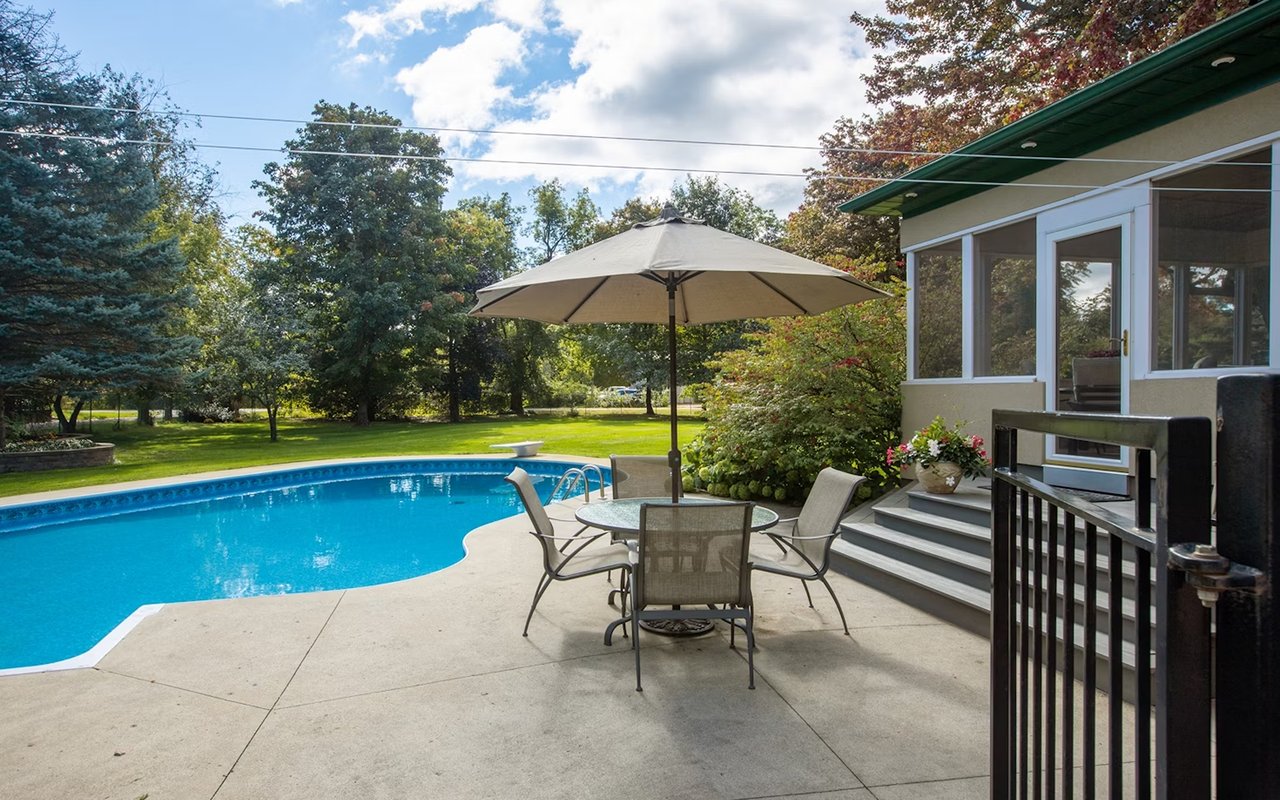
Darsh Parikh | July 15, 2026
Where Austin's Best Weather Meets Design That Lives Outside.
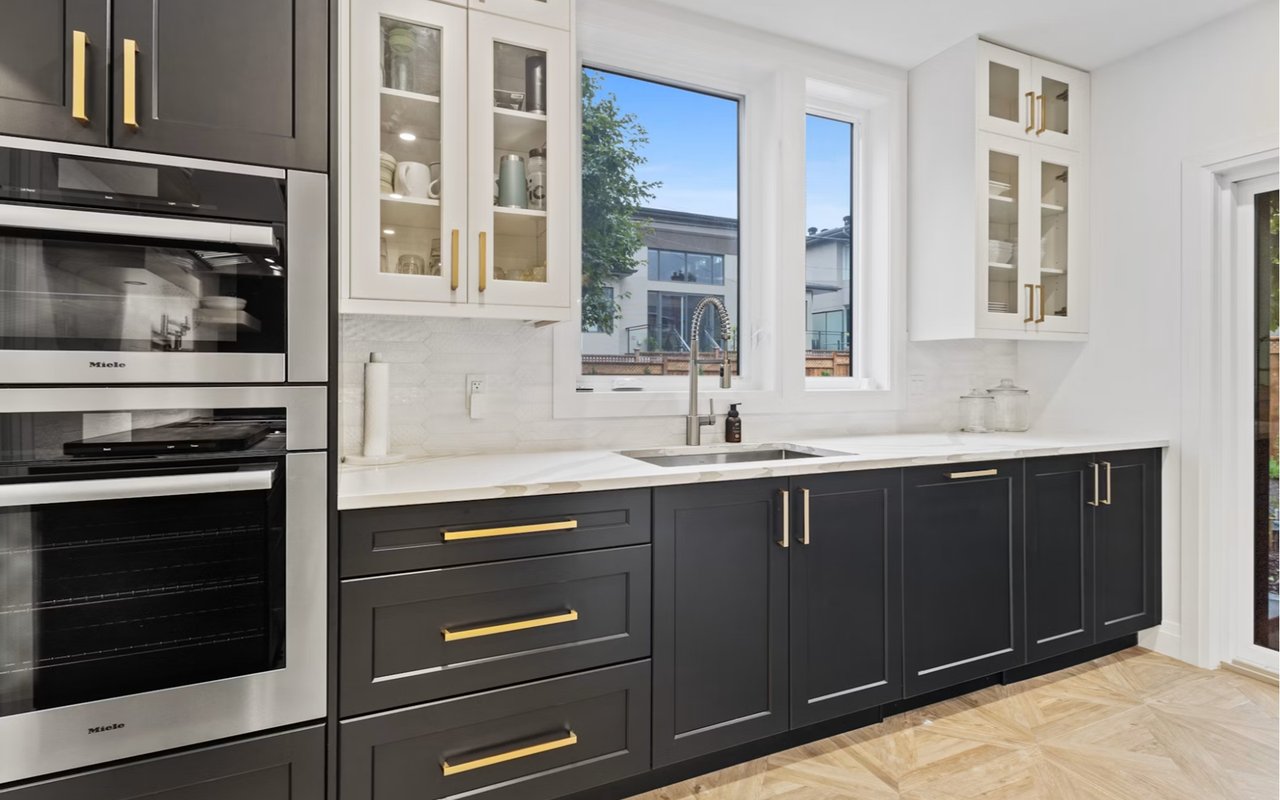
Darsh Parikh | July 15, 2026
A Buyer's Guide to Reading the Details Beyond the Listing Photos.
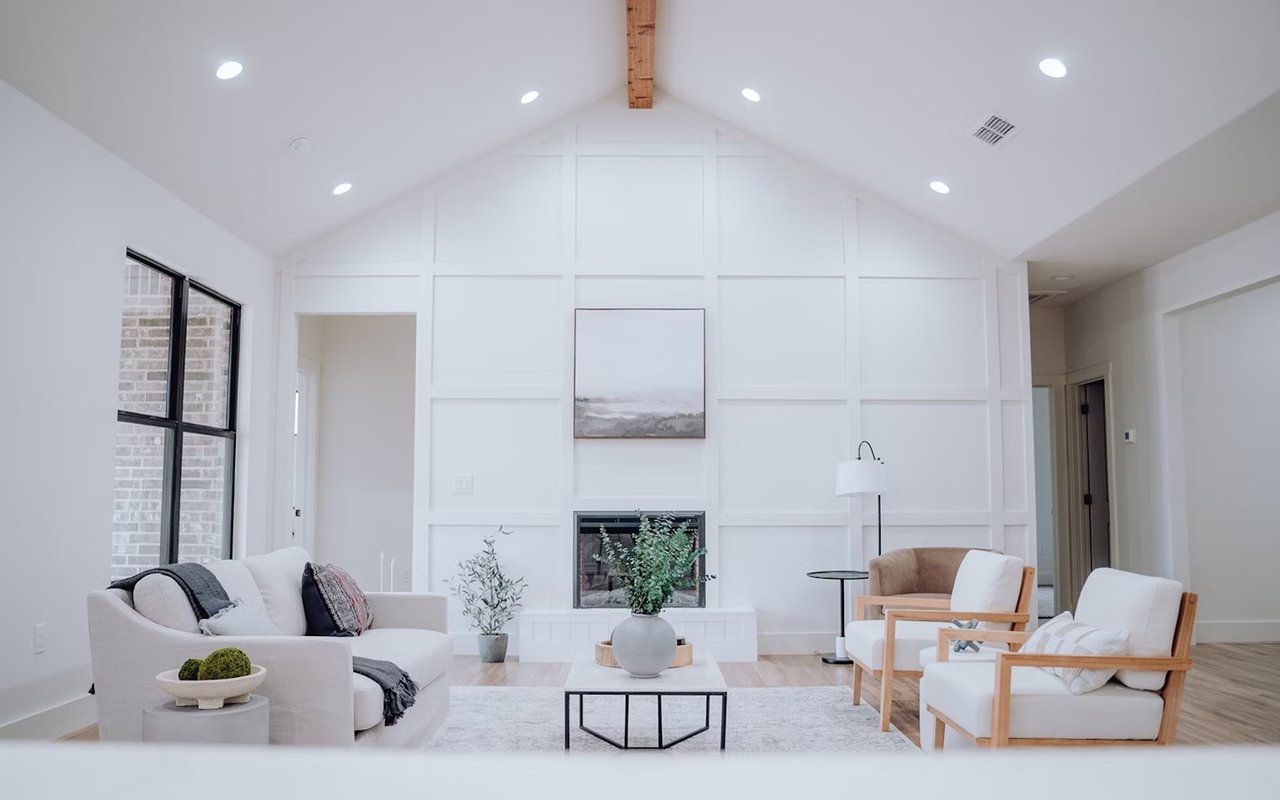
Darsh Parikh | July 15, 2026
Top Tips for Making Your Space a Standout.

Darsh Parikh | July 15, 2026
Winning Strategies for Austin's Most Coveted Address.

Darsh Parikh | July 15, 2026
Reading the Market, Your Goals, and the Moment.
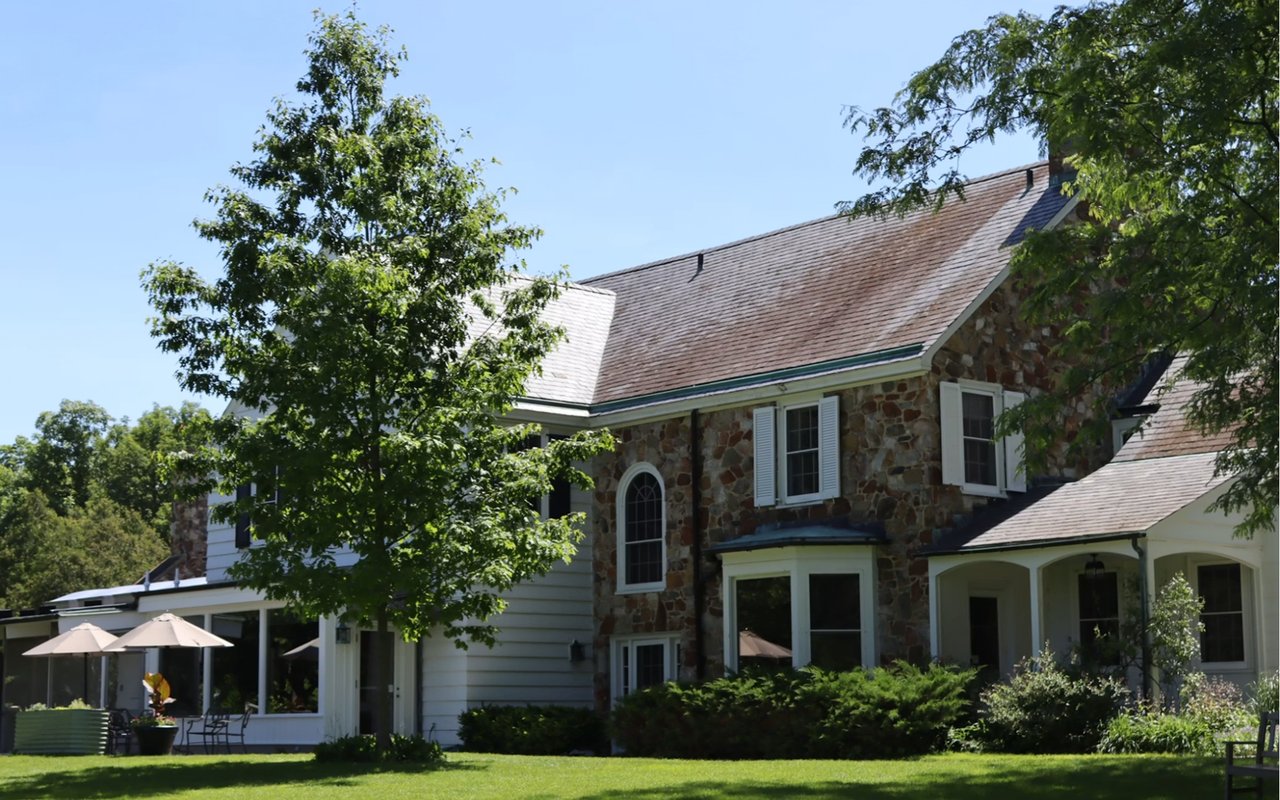
Darsh Parikh | July 15, 2026
Trading Up Without Trading Away What You Love.
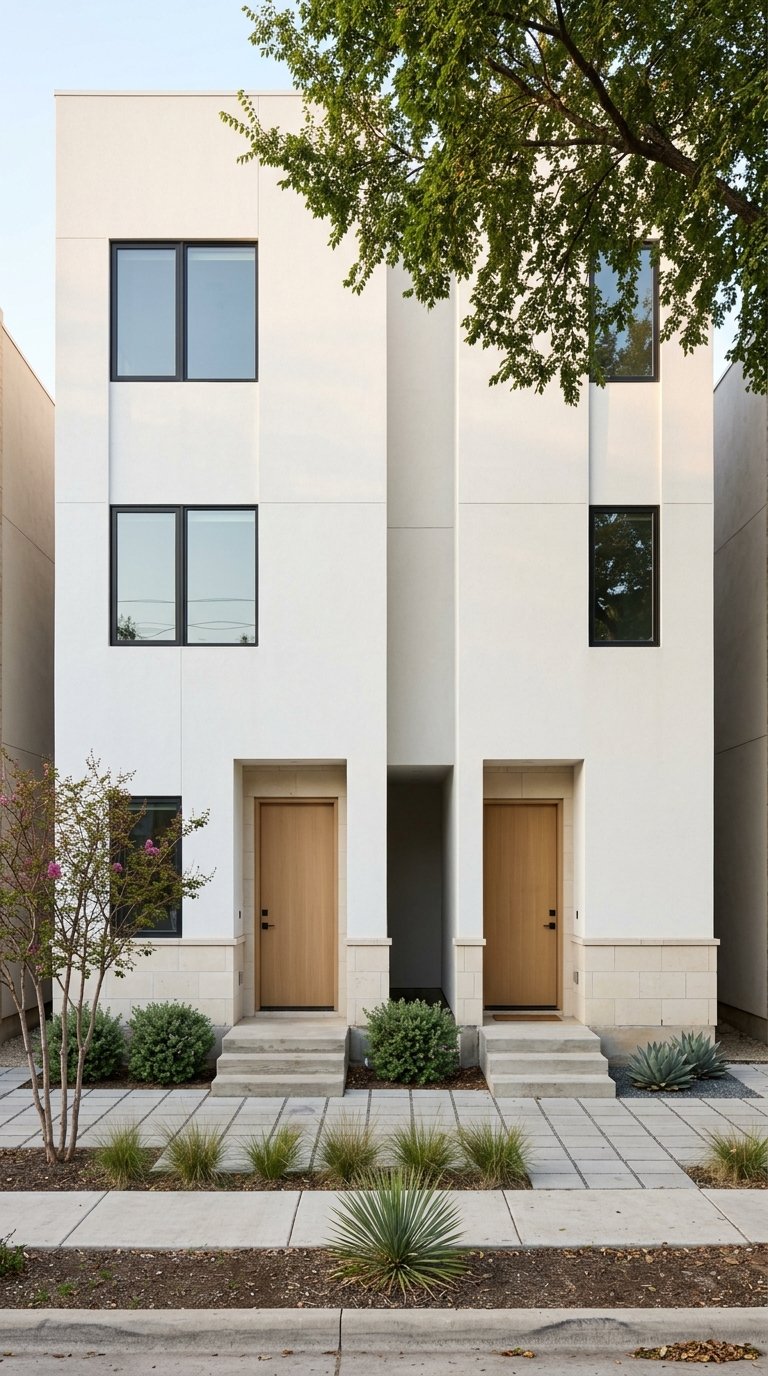
July 9, 2026
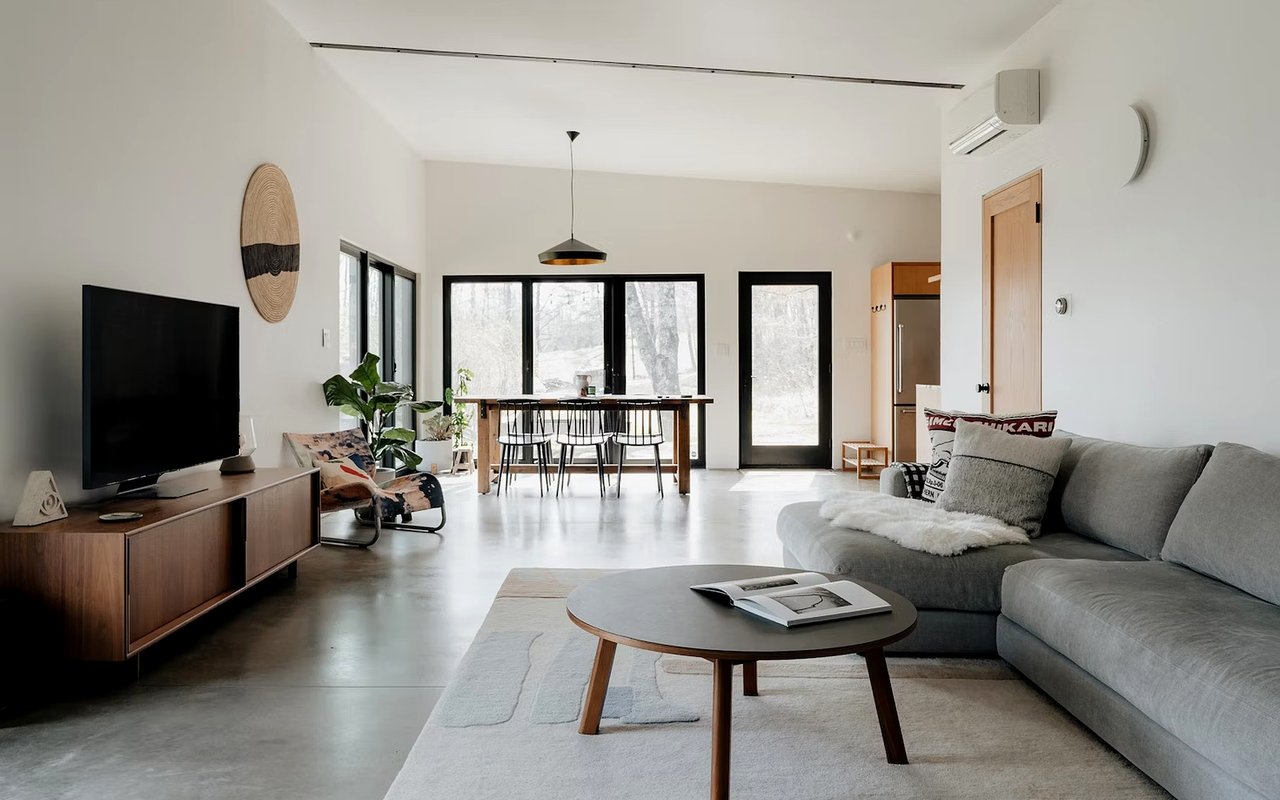
Darsh Parikh | July 3, 2026
Your Roadmap to Finding the Right Home in One of Austin's Most Sought-After Neighborhoods.

Darsh Parikh | July 3, 2026
What Every Buyer and Seller in Austin Should Know Before the Counteroffer Arrives.
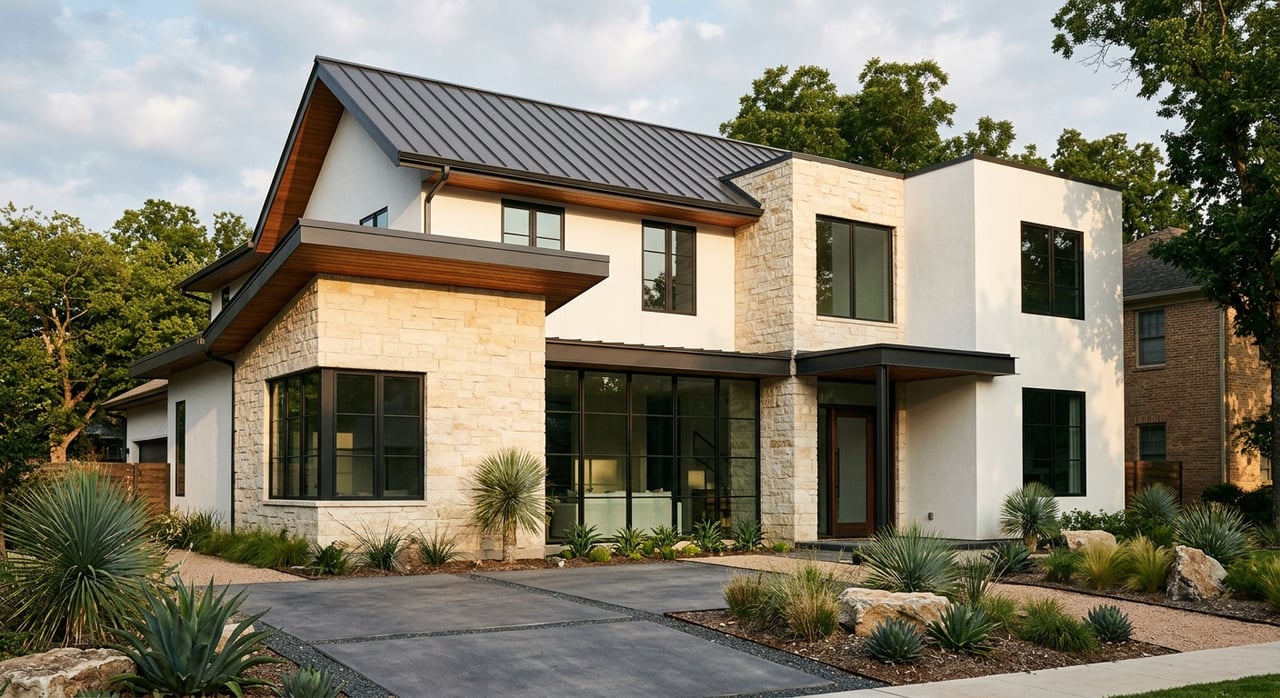
July 2, 2026
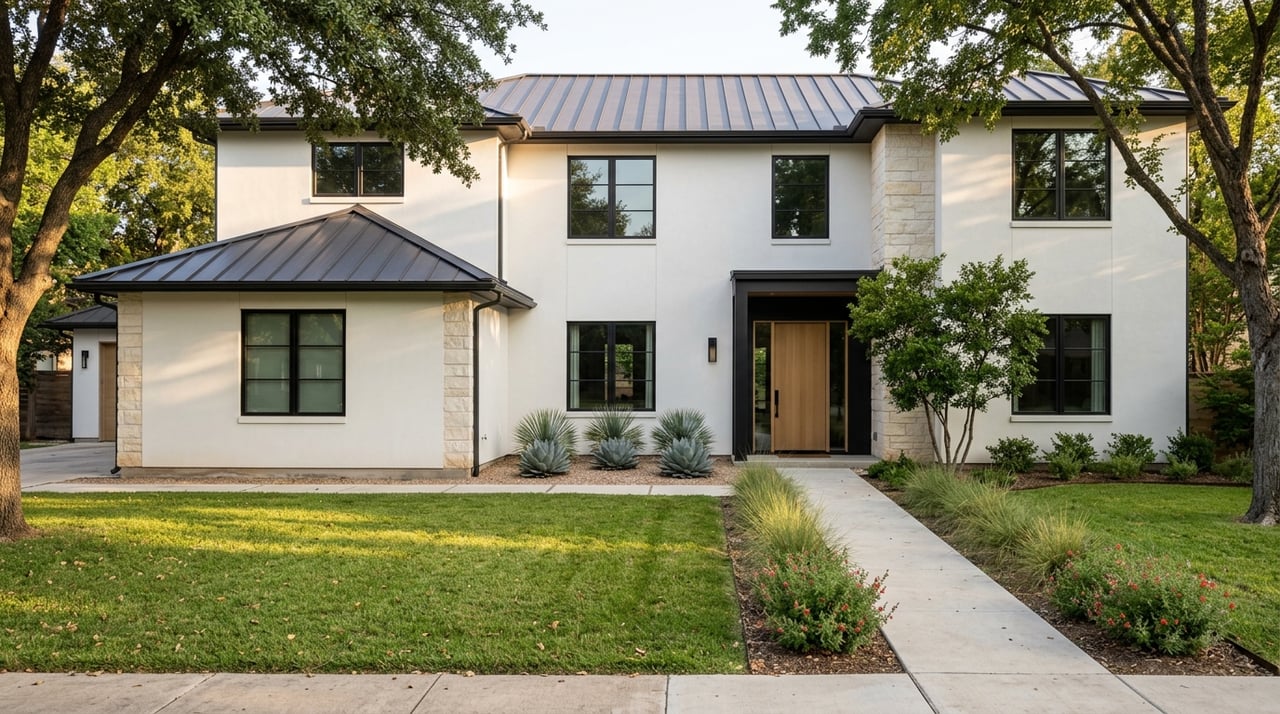
Looking for a modern home in East Austin can feel exciting and a little overwhelming at the same time.
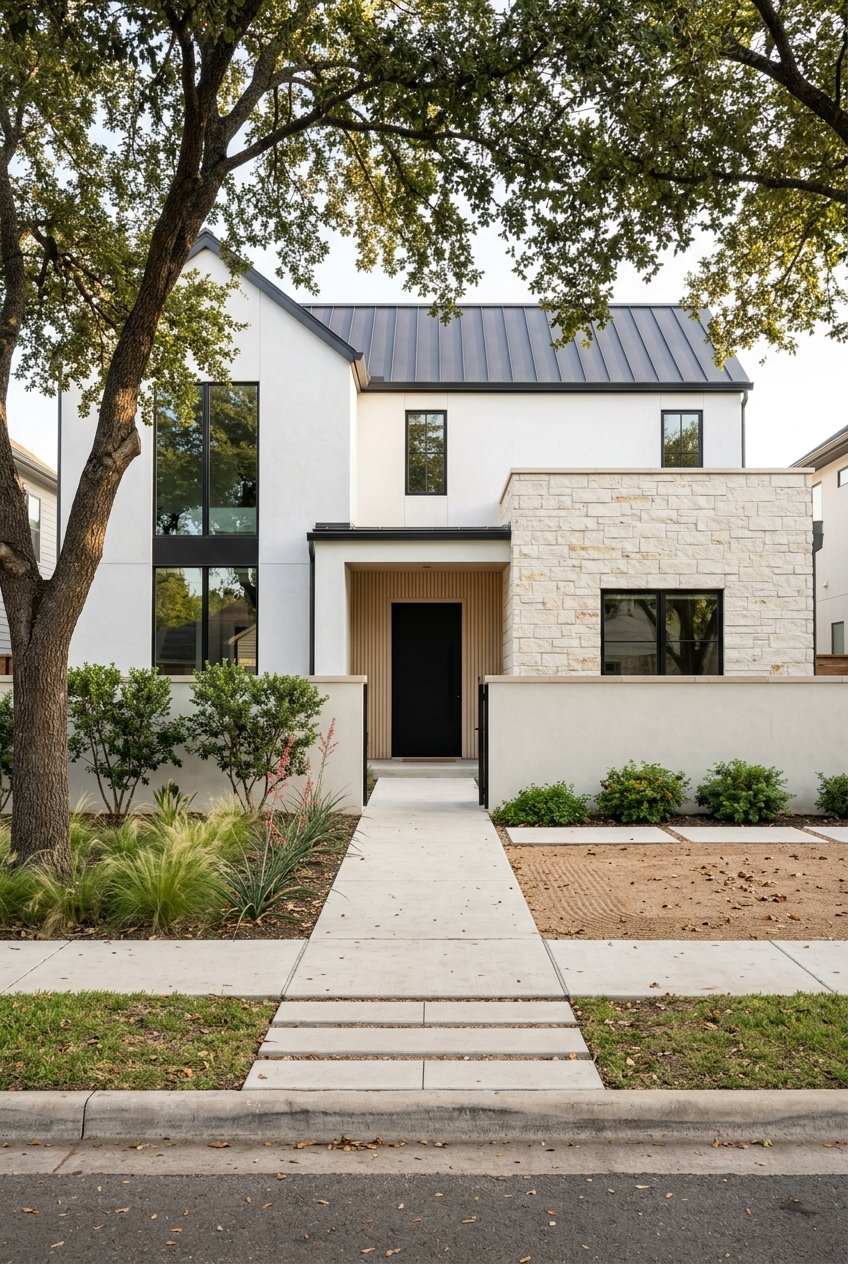
May 21, 2026
Wondering whether Old West Austin lives up to the hype? For many buyers, it does, but not for the reasons people often expect.
June 4, 2026
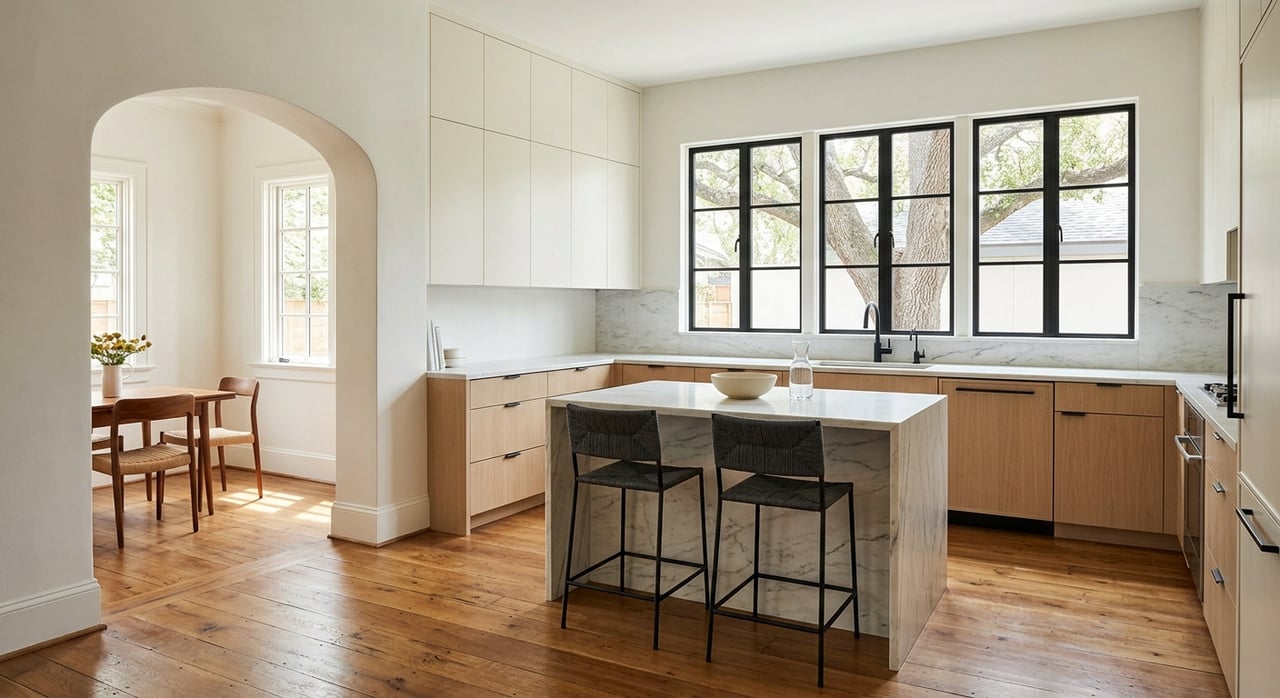
Trying to choose between Tarrytown and West Lake Hills can feel like picking between two very different versions of Austin luxury.
May 28, 2026
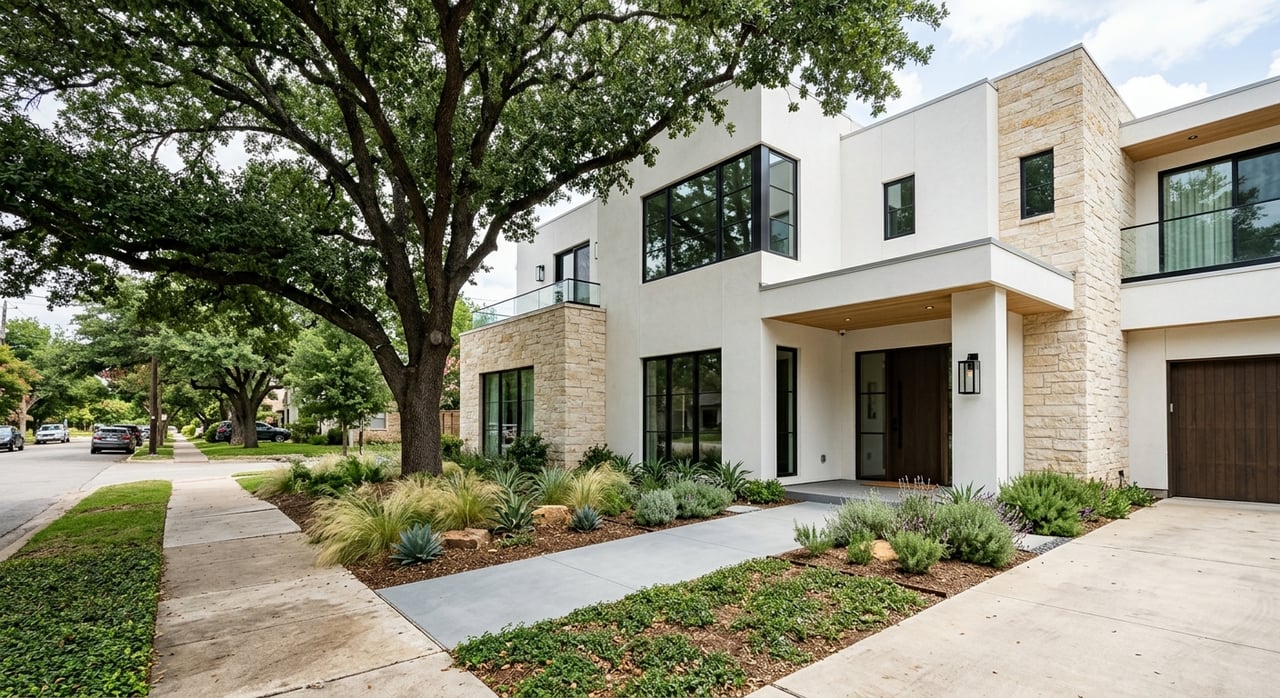
If you own an older home in Old West Austin, you are not just preparing a property for sale.
June 11, 2026
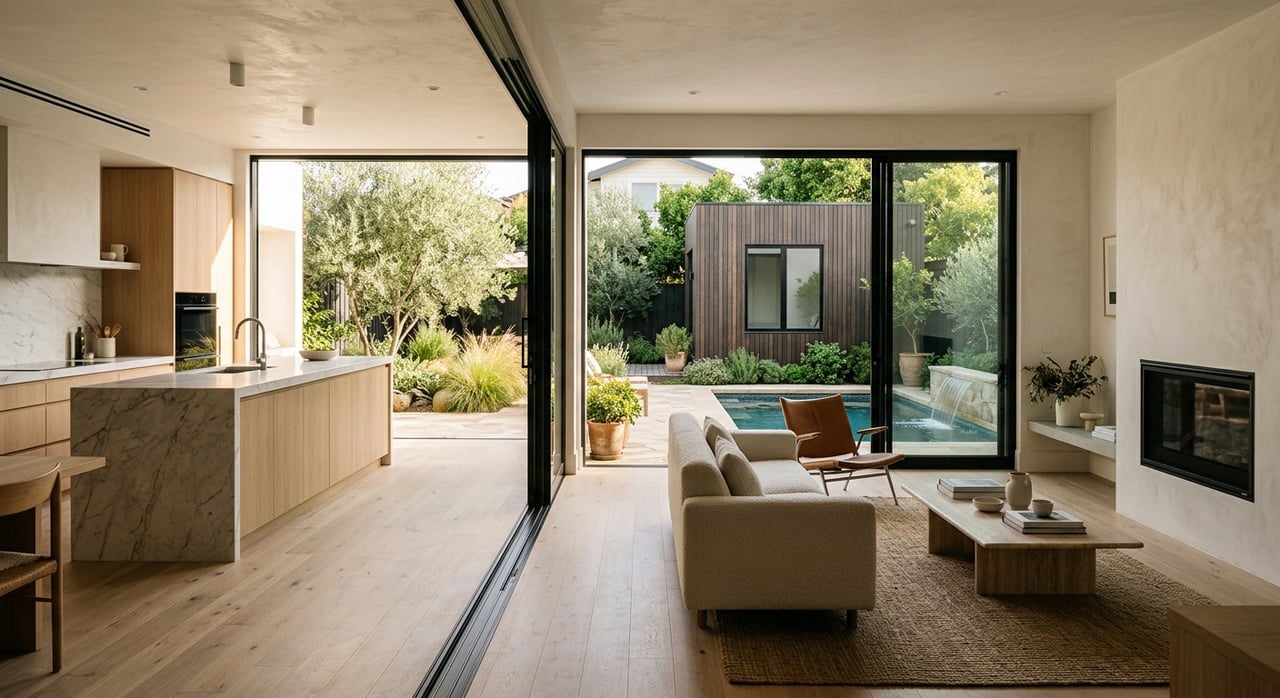
If you are torn between Central Austin and the suburbs, you are really deciding how you want your days to feel.
June 18, 2026
Are Central Austin homes getting warmer, smarter, and more tailored?
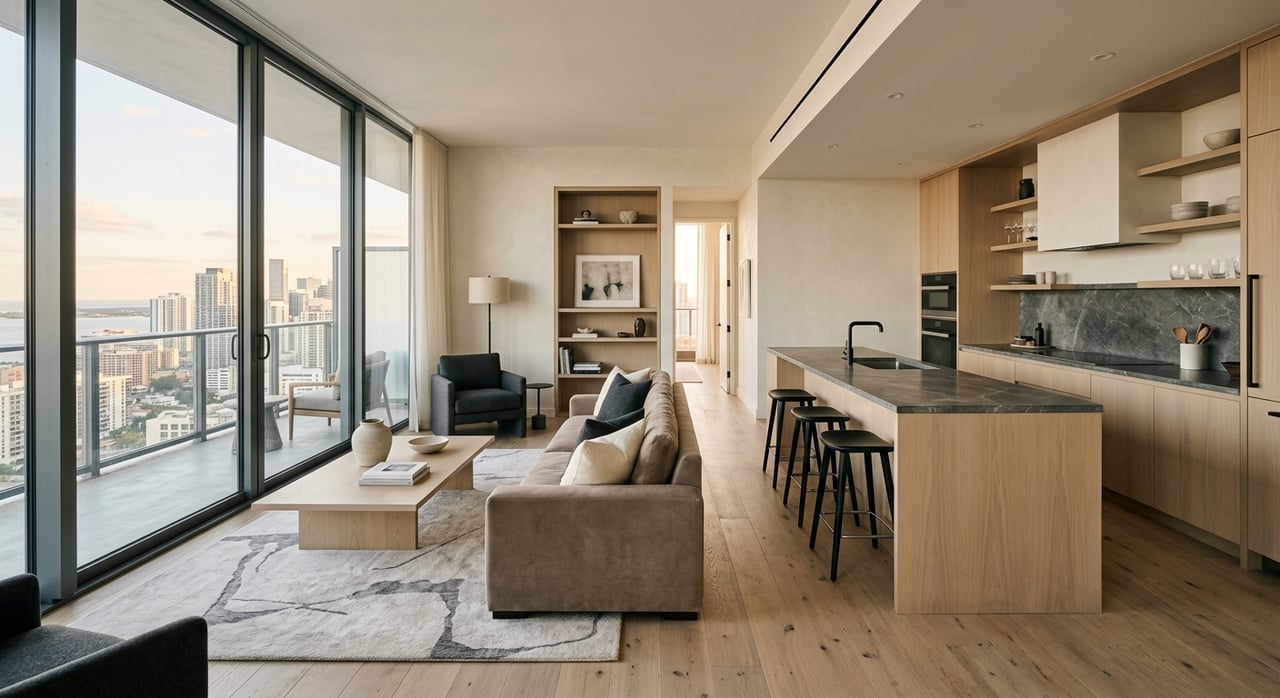
June 25, 2026
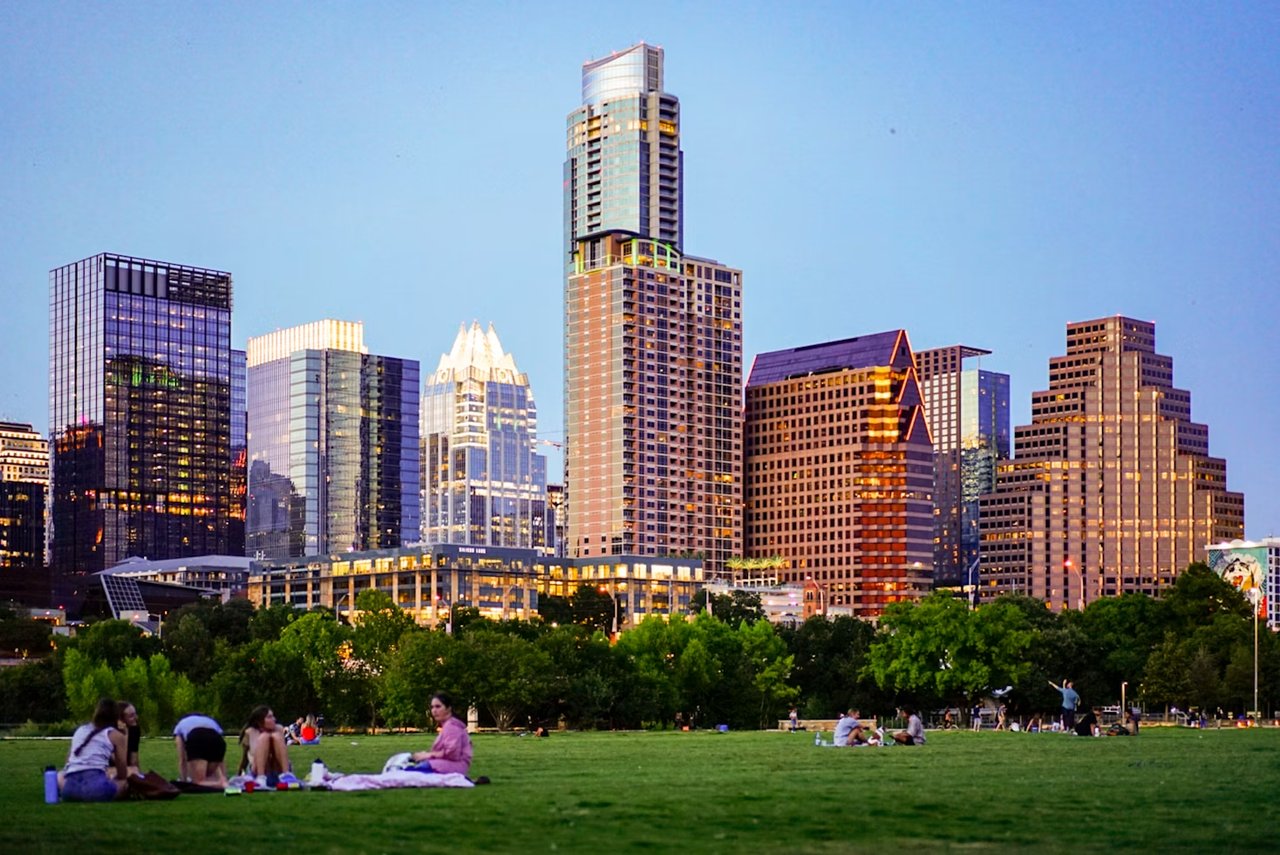
If you have been waiting for Downtown Austin to feel a little less frantic, this may be your moment.
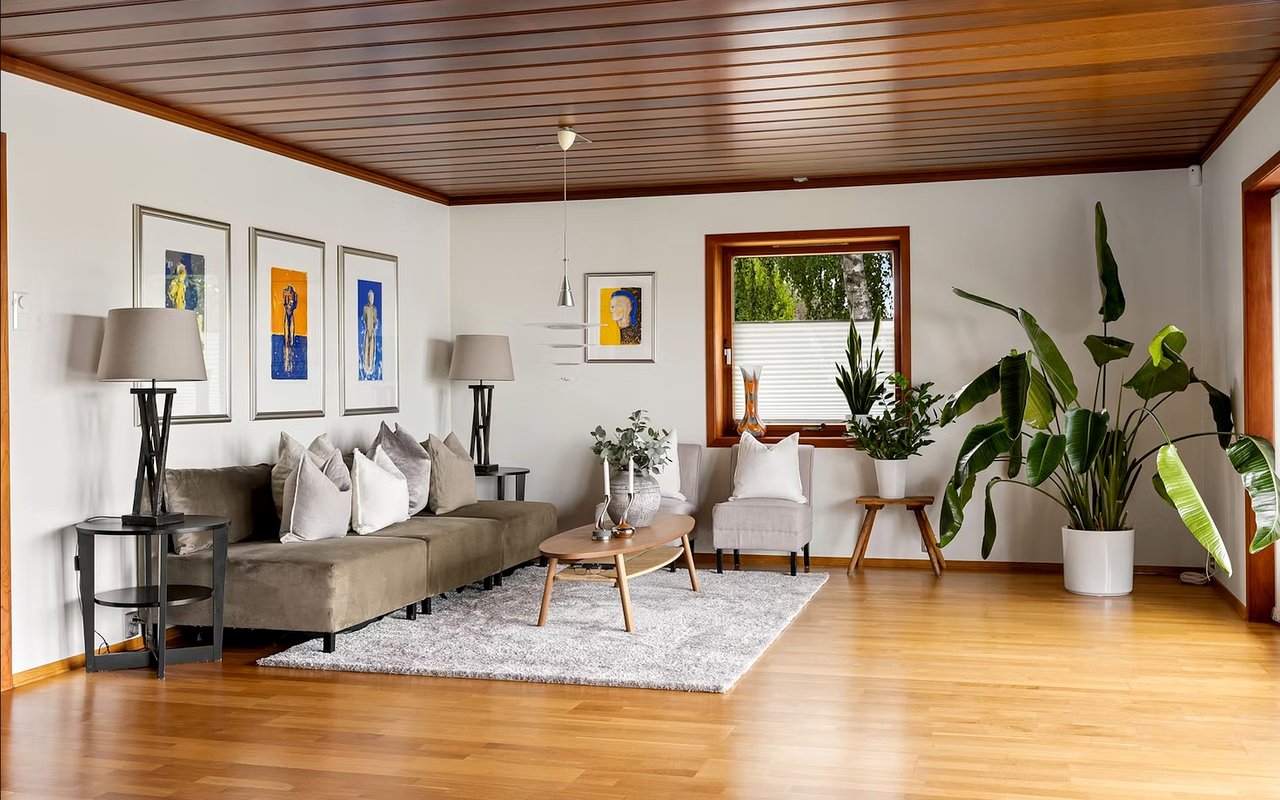
Darsh Parikh | June 26, 2026
Your Room-by-Room Roadmap to Impressing Every Buyer.
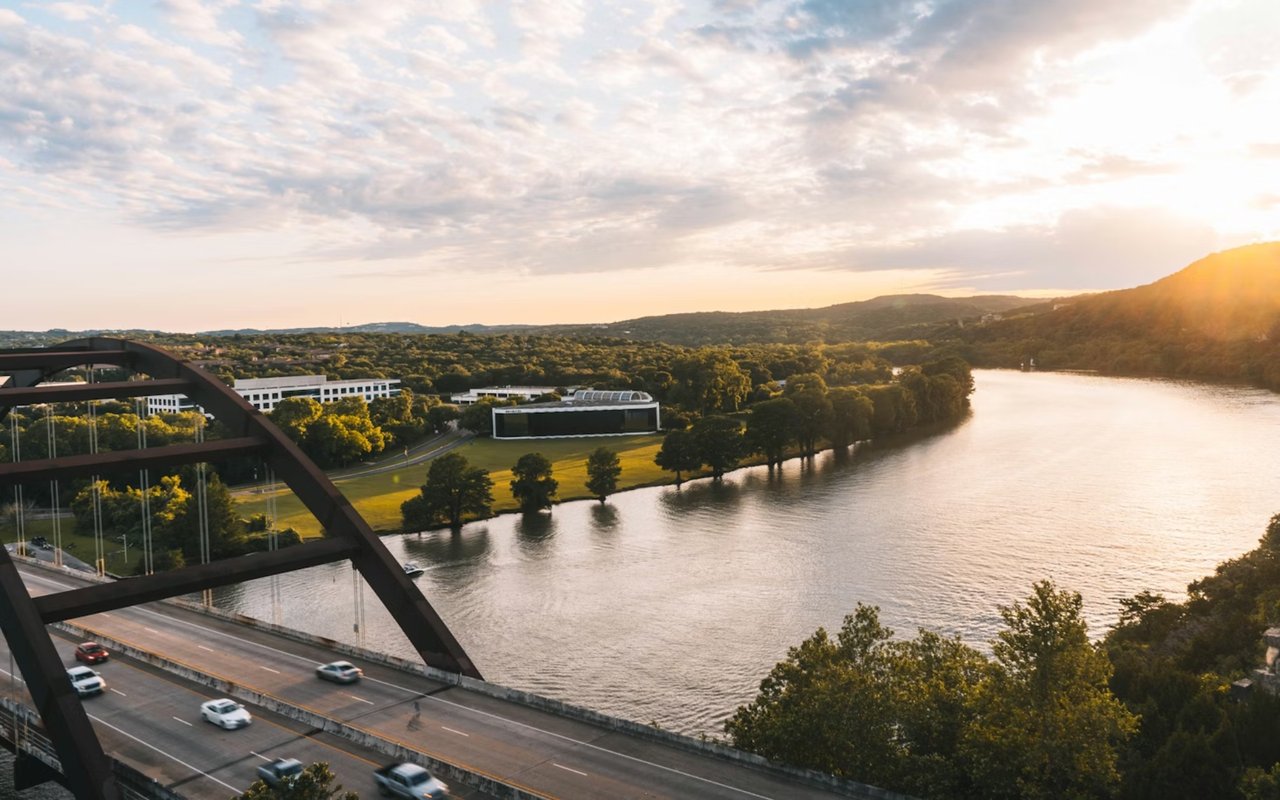
Darsh Parikh | June 24, 2026
Everything You Need to Know About the Zilker Neighborhood in Austin, TX.
Darsh Parikh | January 14, 2026
Experience Unmatched Elegance in the City’s Top Neighborhoods.

Darsh Parikh | November 19, 2025
How timing the market can shape your real estate strategy in Austin and beyond.
Darsh Parikh | May 2, 2026
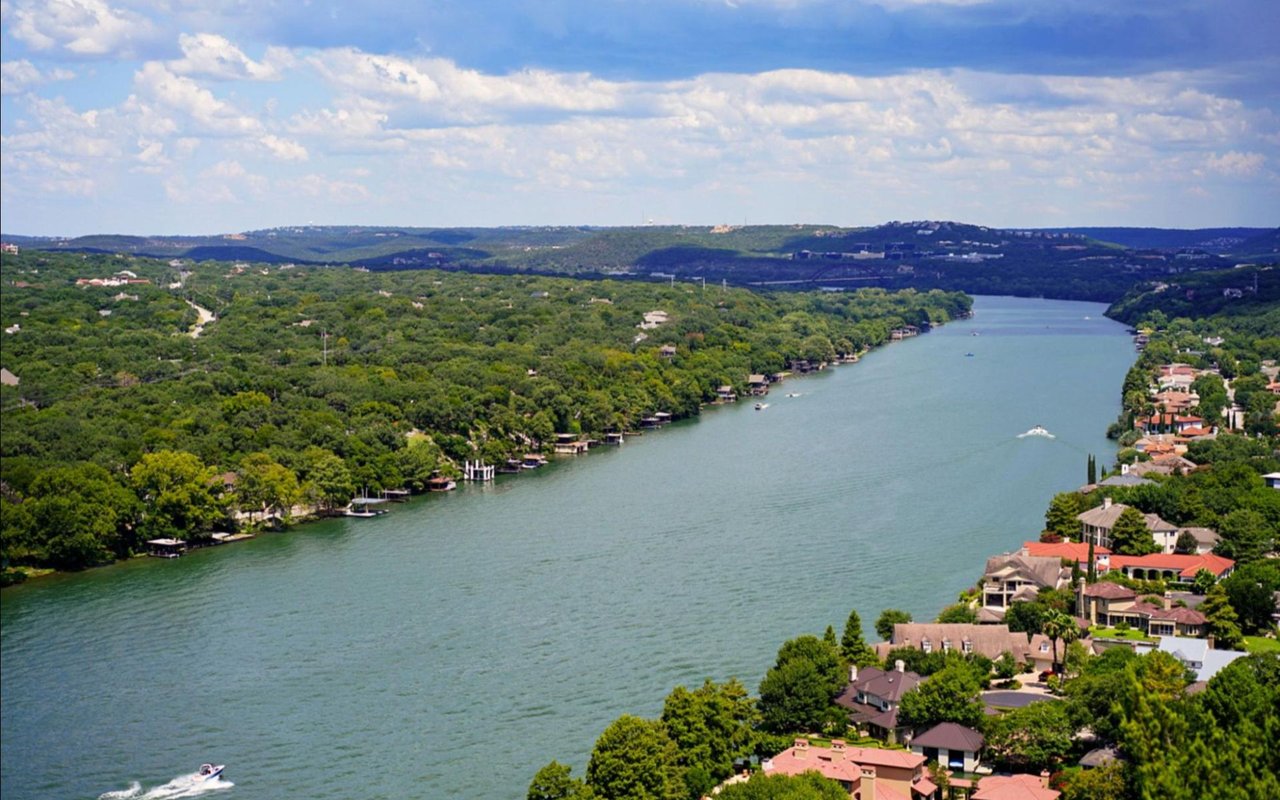
What Makes Tarrytown One of Austin's Most Sought-After Neighborhoods.
Darsh Parikh | May 2, 2026
Ultimate Home Buying Strategy for One of Austin's Most Sought-After Neighborhoods.

May 1, 2026
A Golfer's Guide to the Best Courses Near Barton Hills, TX.

Darsh Parikh | April 30, 2026
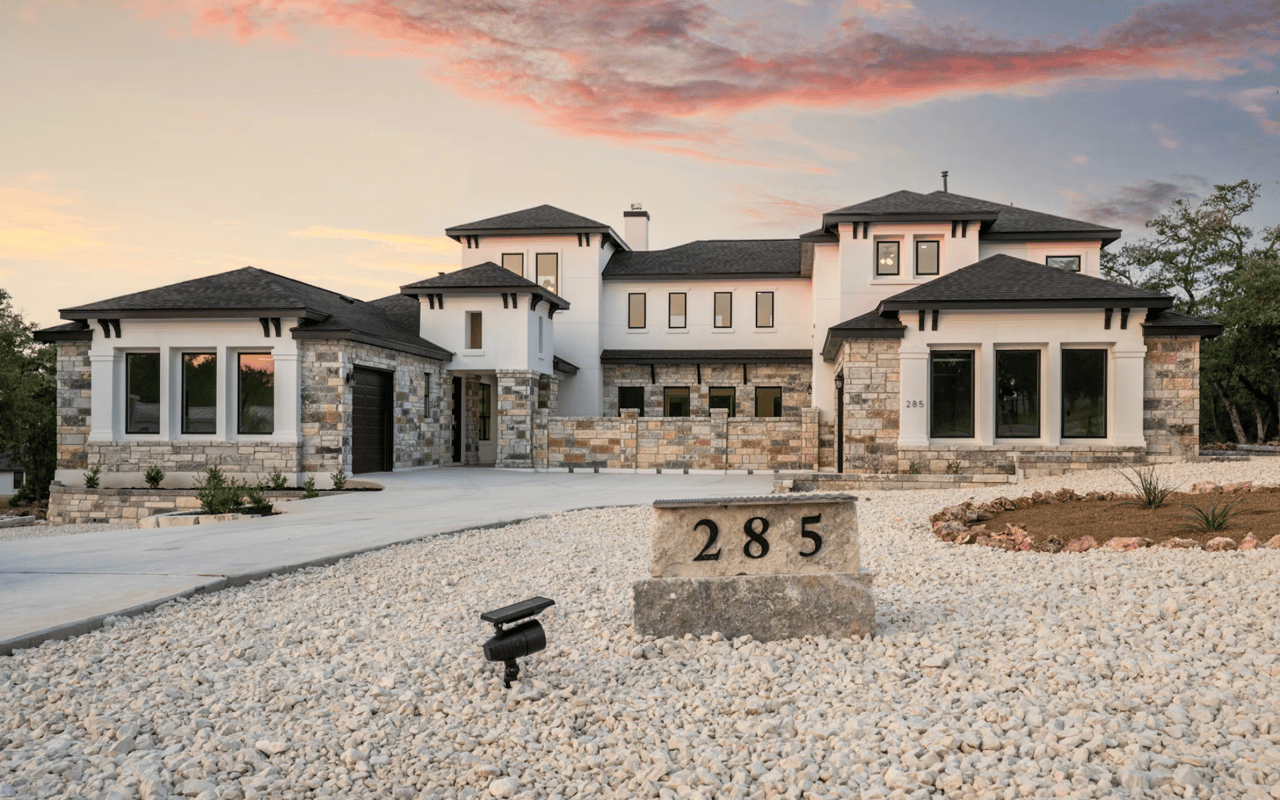
These Are the Defining Qualities of the Best Agents in Tarrytown.
Darsh Parikh | March 3, 2026
How to Find Luxury Homes in Barton Hills, Zilker, and Tarrytown the Right Way.
March 10, 2026
What Luxury Home Features Drive Buyer Decisions in Barton Hills, Zilker, and Tarrytown.
March 17, 2026
Home Staging in Barton Hills, Zilker, and Tarrytown: What Luxury Sellers Need to Know.
March 23, 2026
The Case for Luxury Neighborhoods in Austin: Barton Hills, Zilker, and Tarrytown.
Darsh Parikh | February 11, 2026
From Historic Charm to Modern Elegance: Local Architecture in Barton Hills, Zilker, and Tarrytown.

Darsh Parikh | February 11, 2026
A Guide to Investing in Real Estate in Barton Hills, Zilker, and Tarrytown.

Darsh Parikh | February 11, 2026
The Importance of Real Estate Photography in Austin’s Most Sought-After Neighborhoods.
Darsh Parikh | February 11, 2026
A Strategic Guide to Luxury Home Upgrades in Barton Hills, Zilker, and Tarrytown.

Darsh Parikh | January 30, 2026
Hyper-Local Pricing Strategy Is Based on These Factors.
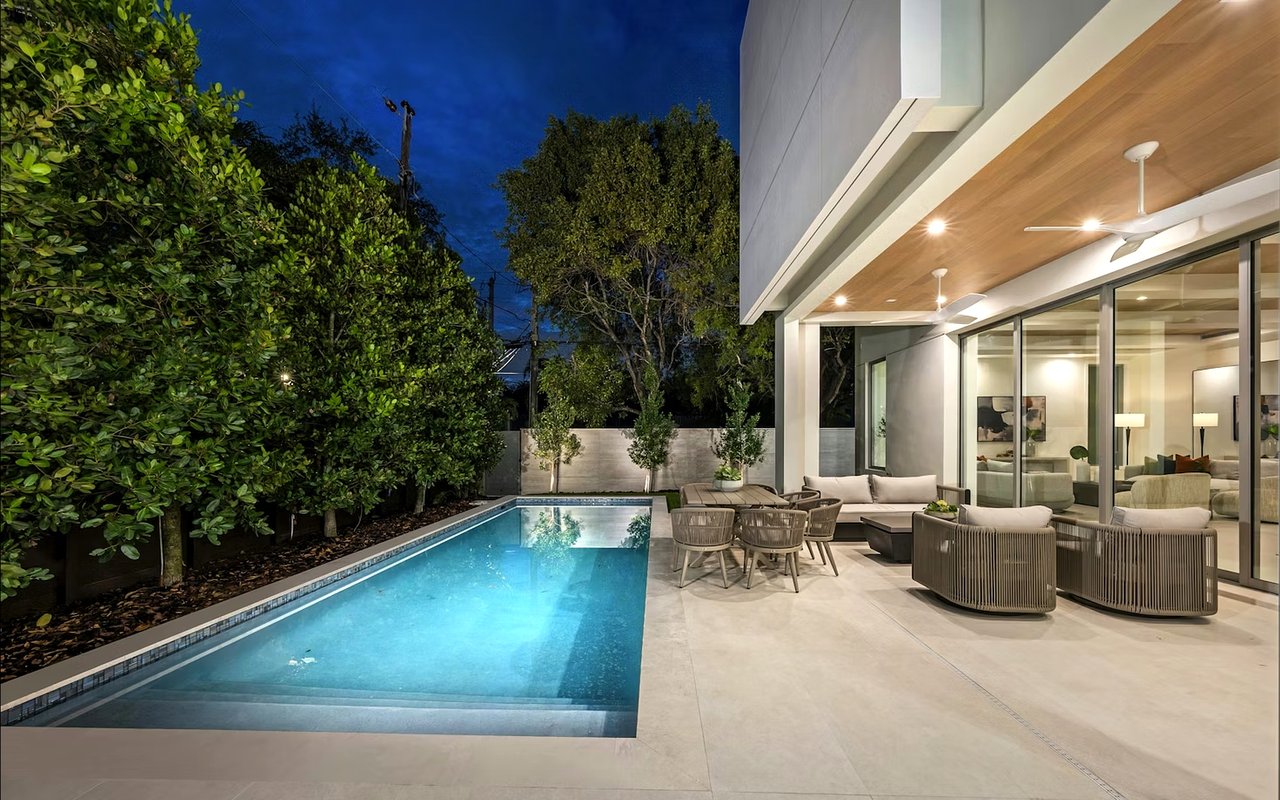
Darsh Parikh | January 30, 2026
The Best Amenities for High-End Homes in Greater Austin.
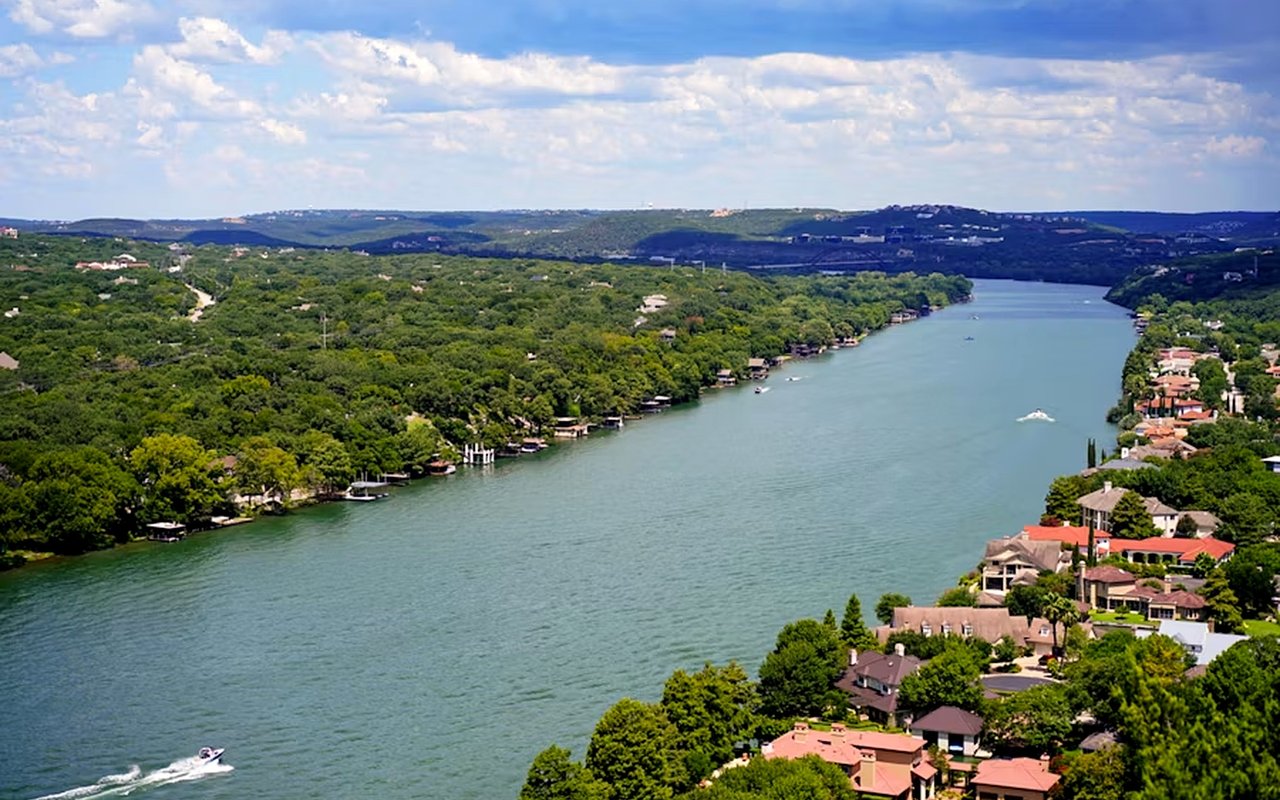
Darsh Parikh | January 30, 2026
Here’s How We Help Clients Decide Between These Areas.
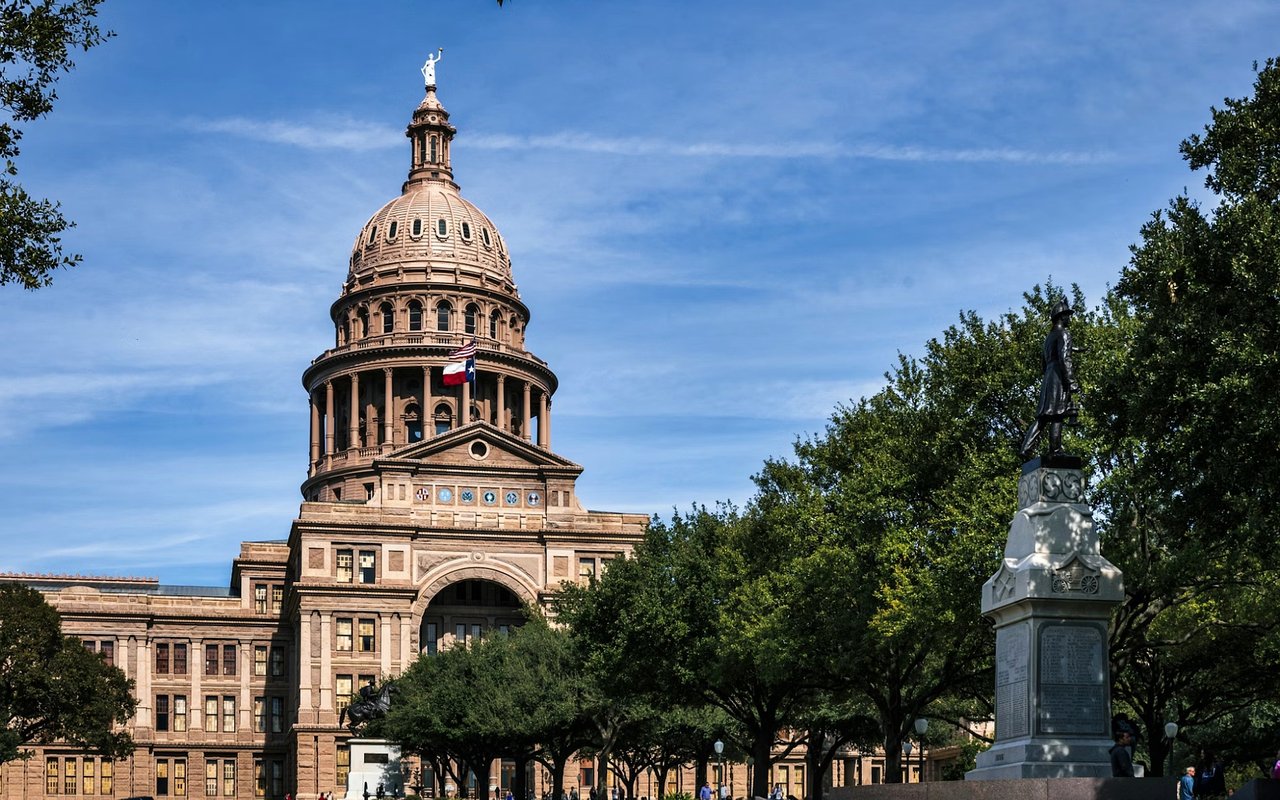
December 30, 2025
What Makes Austin a Place People Love to Visit and Call Home.
Darsh Parikh | December 30, 2025
An Overview of Well-Known Dining Spots that Reflect the Range of Food in Austin, TX.

Darsh Parikh | December 30, 2025
Helpful Strategies for a Smoother Transition.

Darsh Parikh | December 30, 2025
How Austin’s Craft Beer Scene Reflects the City’s Growth and Community Appeal.
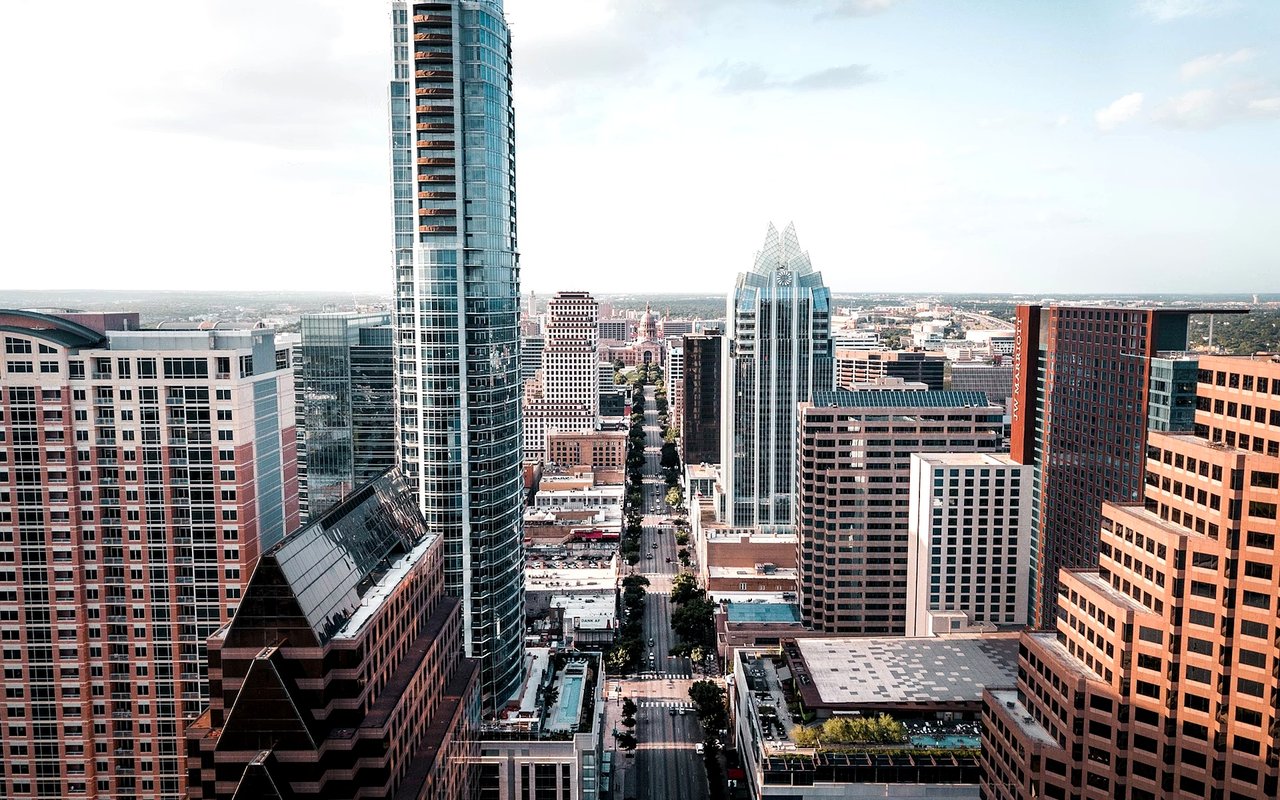
Darsh Parikh | December 30, 2025
How Employment Growth, Interest Rates, and Local Development Shape Housing Demand.
Darsh Parikh | November 19, 2025
Why more buyers are turning to newly built homes in the Austin real estate market.
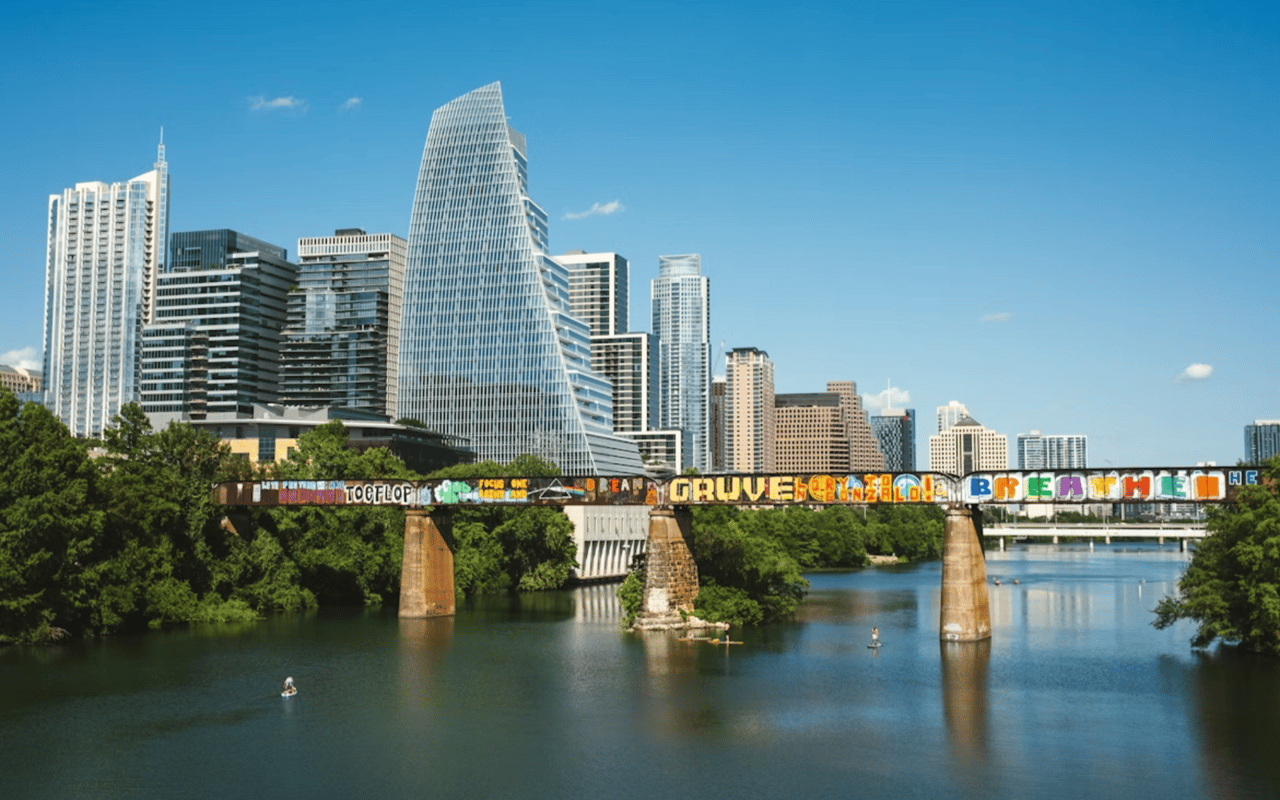
Darsh Parikh | November 19, 2025
Uncovering the unique character, culture, and quirks of Texas’s capital city.

Darsh Parikh | November 19, 2025
Why a pre-listing inspection is a smart move in today’s real estate market.
Darsh Parikh | October 23, 2025
How a property’s age impacts its desirability, maintenance, and resale price.
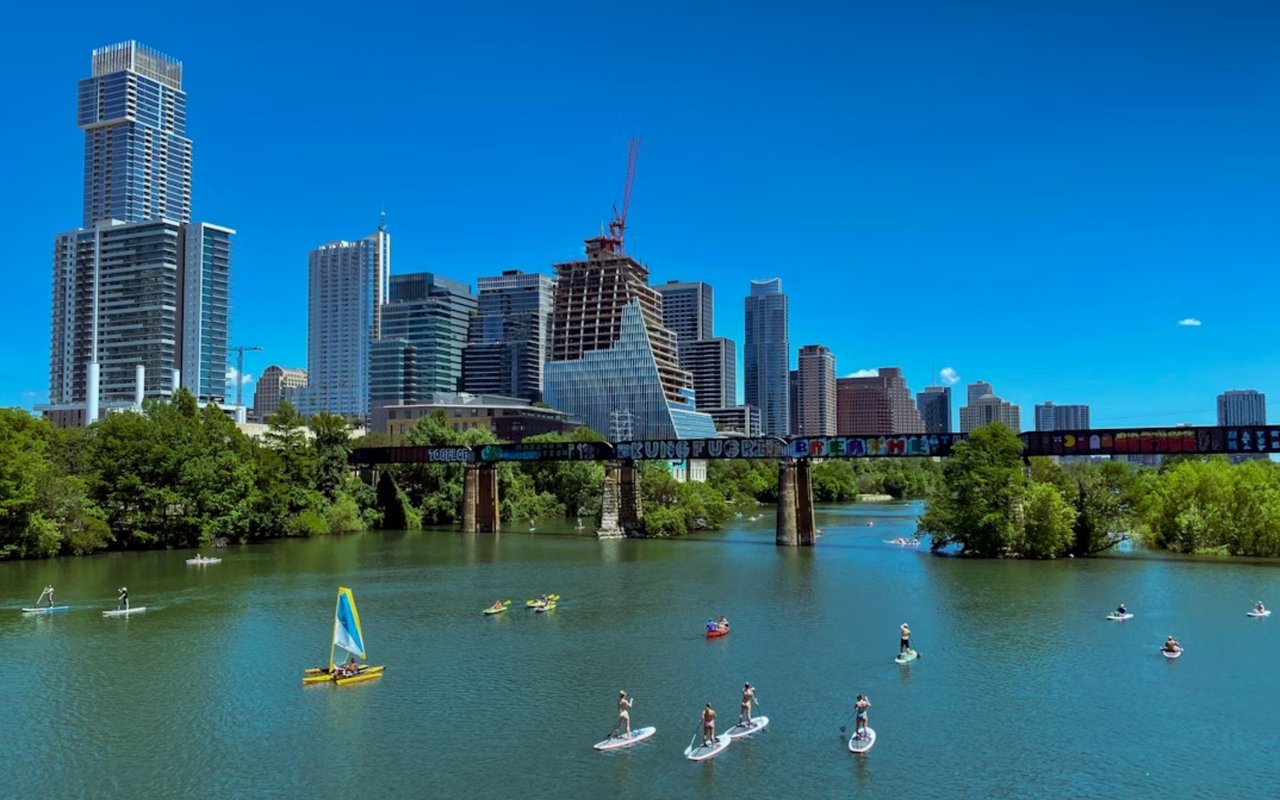
Darsh Parikh | October 23, 2025
Where to go and what to do for an immersive cultural experience in Austin, Texas.

Darsh Parikh | October 23, 2025
Understanding contracts, disclosures, and protections for a smooth real estate transaction.

Darsh Parikh | October 23, 2025
Everything professionals and businesses need to know about moving to the Texas capital.
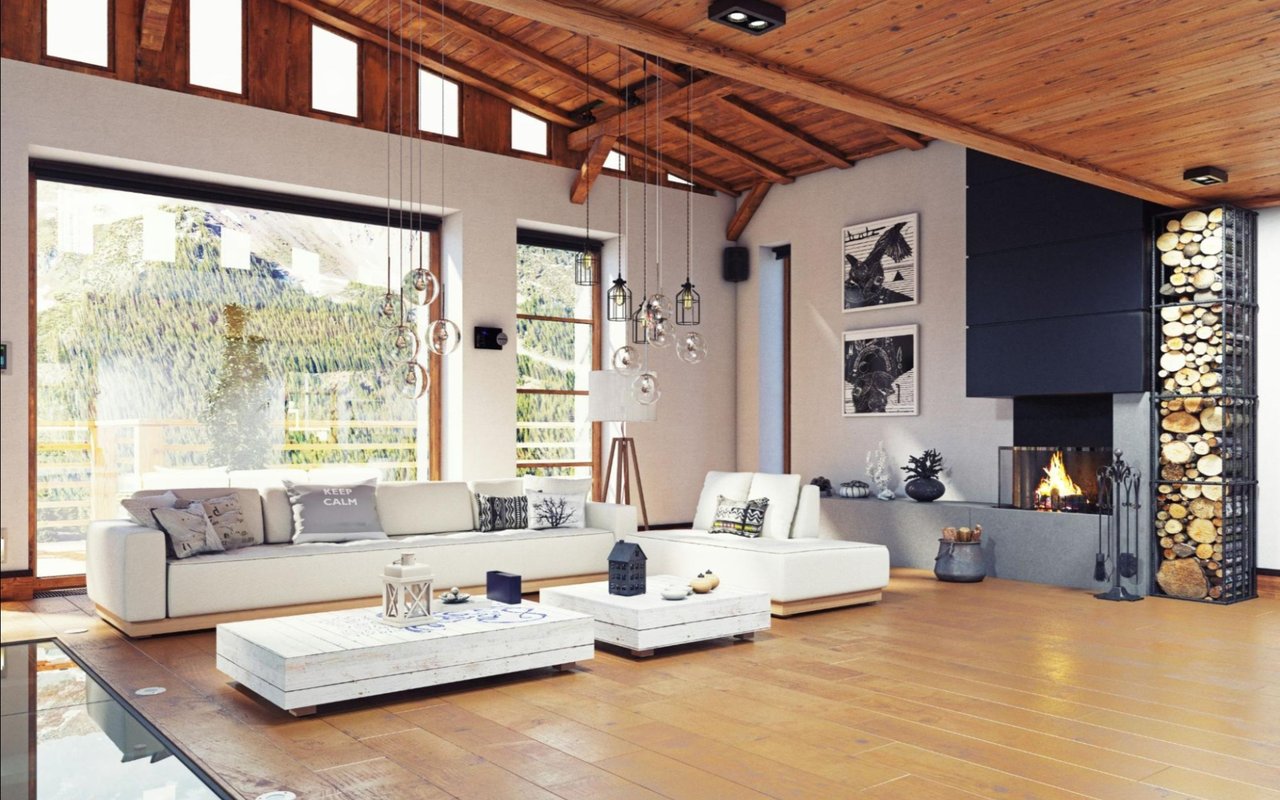
Darsh Parikh | October 23, 2025
Expert insights for navigating high-end real estate with confidence and success.
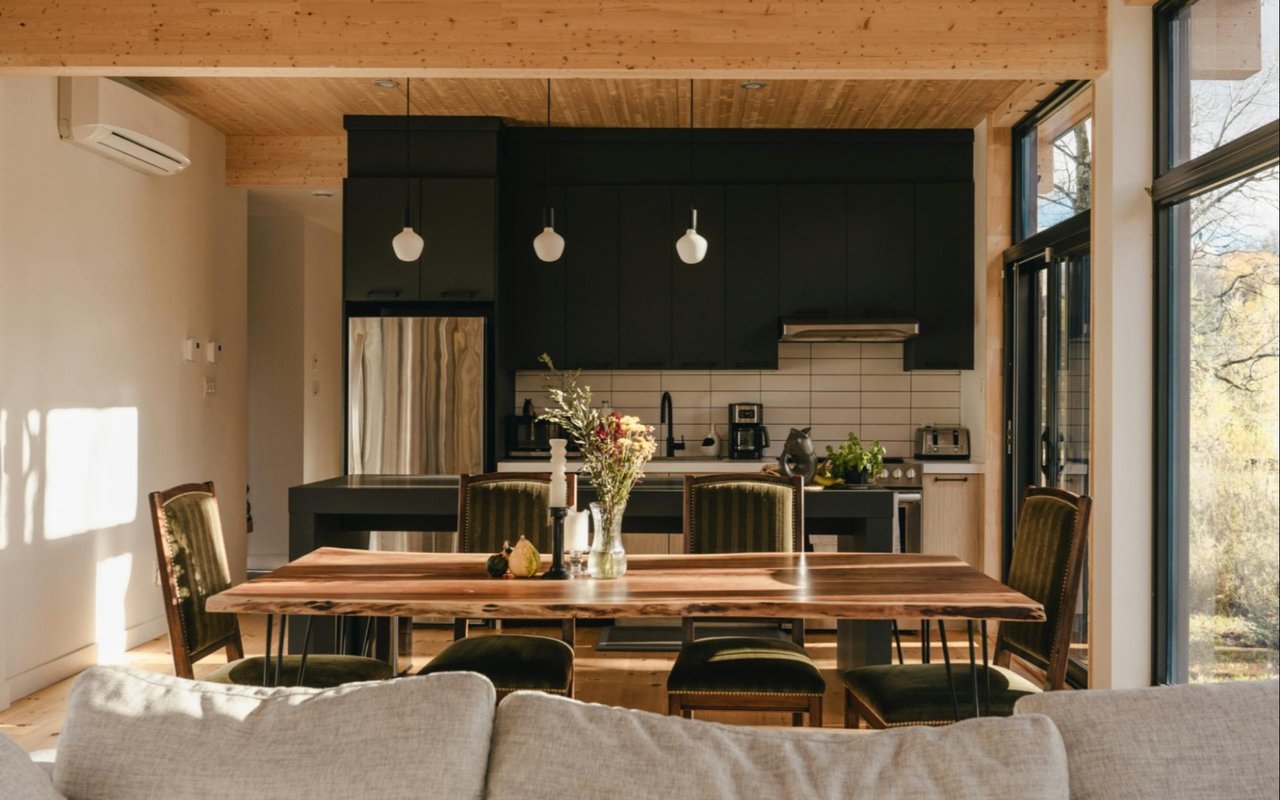
Darsh Parikh | September 17, 2025
Enhancing Interior Appeal for Maximum Return in Austin's Market.
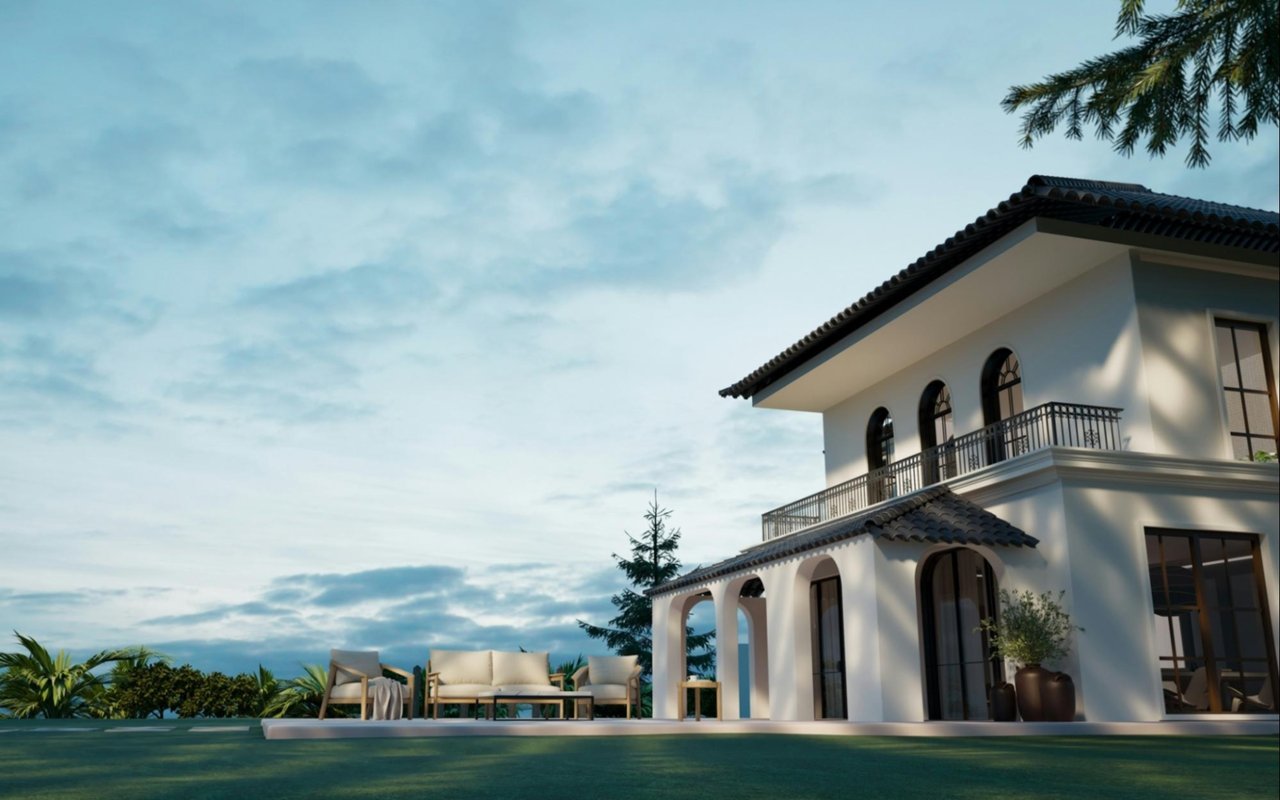
Darsh Parikh | September 17, 2025
Strategies to Attract Remote Buyers in Austin's Evolving Market.

Darsh Parikh | September 17, 2025
Ensuring Your Austin Dream Home Is a Sound Investment.
Darsh Parikh | September 17, 2025
Reaching Global Audiences in Austin’s Exclusive Real Estate Market.

Darsh Parikh | August 27, 2025
From the city’s 19th-century origins to the rise of Silicon Hills.
Darsh Parikh | August 11, 2025
Everything You Need to Know About Starting Your Custom Home Journey in Central Texas.

Darsh Parikh | August 11, 2025
A Guide to Exploring Austin’s Vibrant Wine Scene.
Darsh Parikh | August 12, 2025
A Year-Round Celebration of Creativity in the Capital City.
Darsh Parikh | July 28, 2025
Discover Why Austin Is One of the Best Cities for Families to Live, Learn, and Grow.
Darsh Parikh | July 28, 2025
What Austin Sellers Need to Know to Attract Modern Buyers and Maximize Value.

Darsh Parikh | July 28, 2025
What Every Seller Should Know Before Listing Their Property.
Real Estate Education
July 9, 2025
Take a real-world tour of what new construction in South Austin looks like in 2025—from layouts to features and finish quality.

Real Estate Education
July 9, 2025
Before you buy new in Austin, understand what’s standard, what’s extra, and how to compare builder offerings with clarity.

Real Estate Education
July 9, 2025
Buying new in Austin? Here’s what to know about builder warranties—and how they differ between top local builders.

July 9, 2025
Explore move-in ready new construction homes in East Austin under $750K—plus builder incentives worth knowing.

Real Estate Education
July 8, 2025
Explore 2025’s top land opportunities for developers in South and East Austin—where zoning, transit, and timing align.
Work with a top real estate expert in Austin. Buying or selling a home, they can help you. Contact them now to start your home-searching journey!