Central Austin
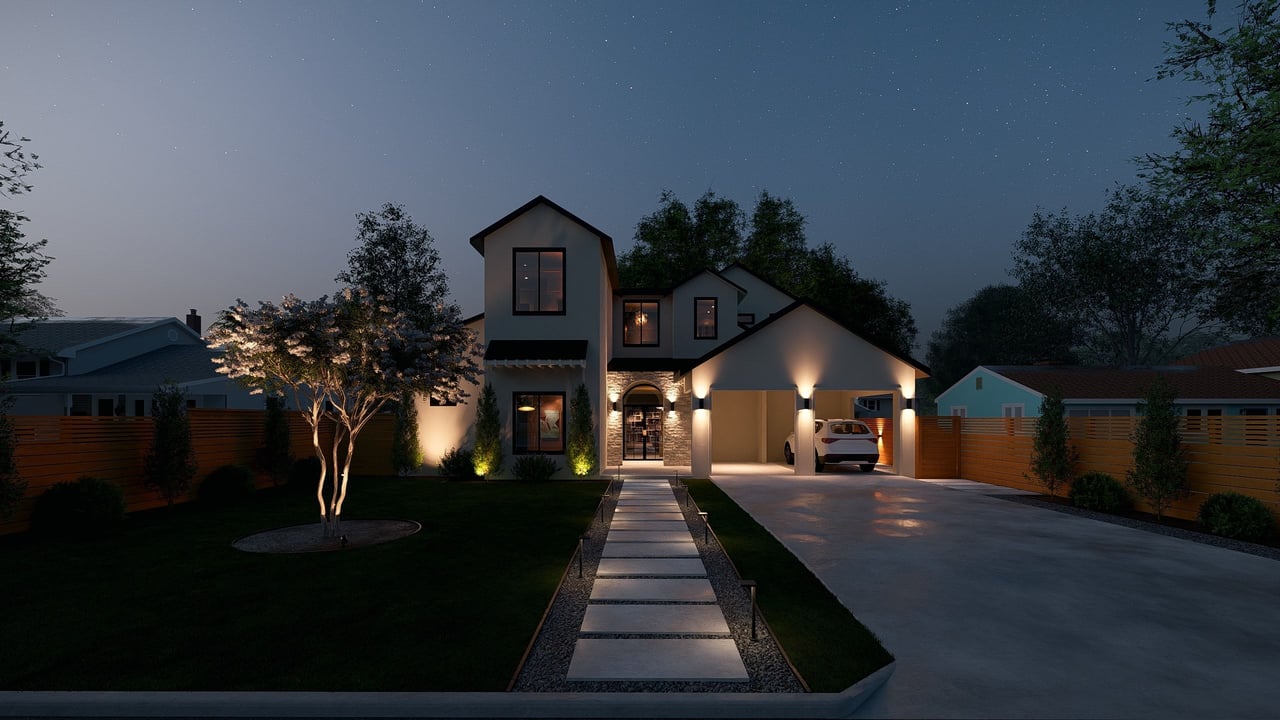
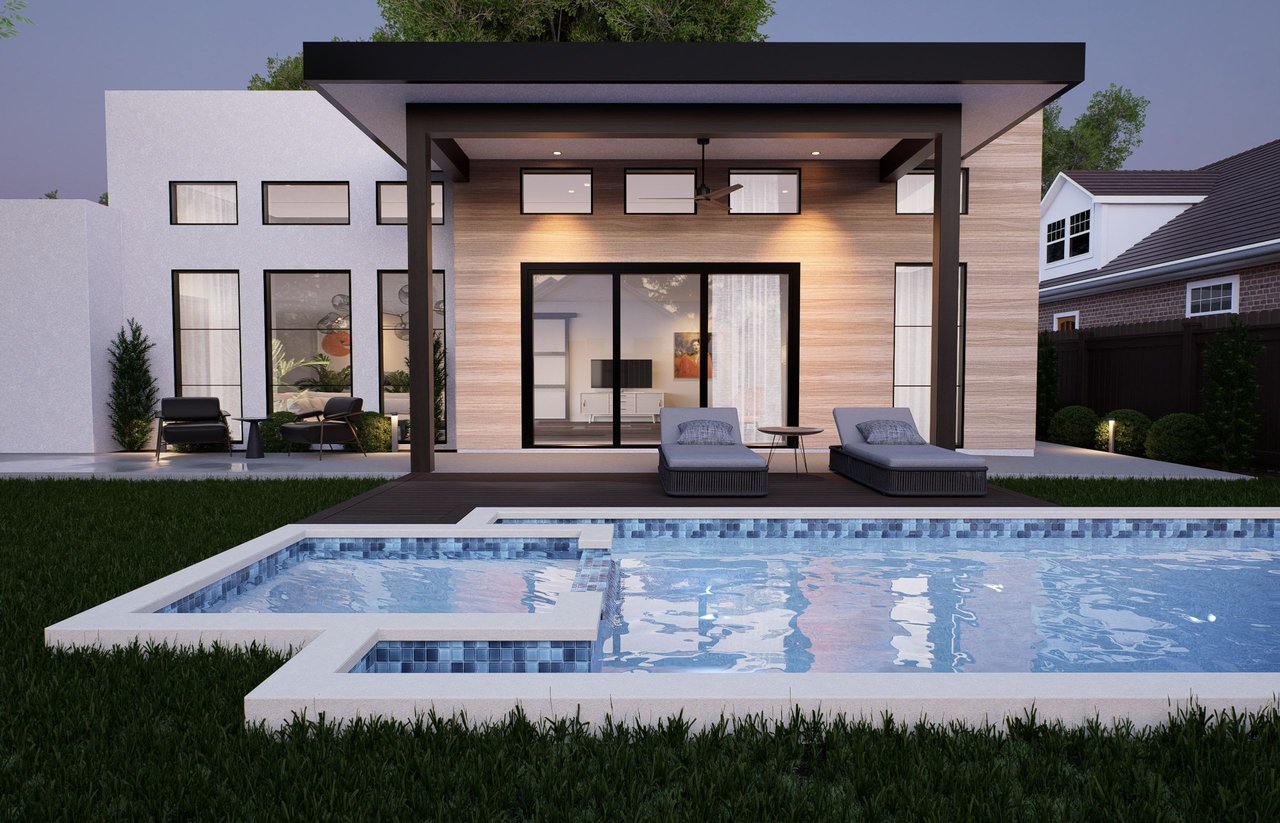
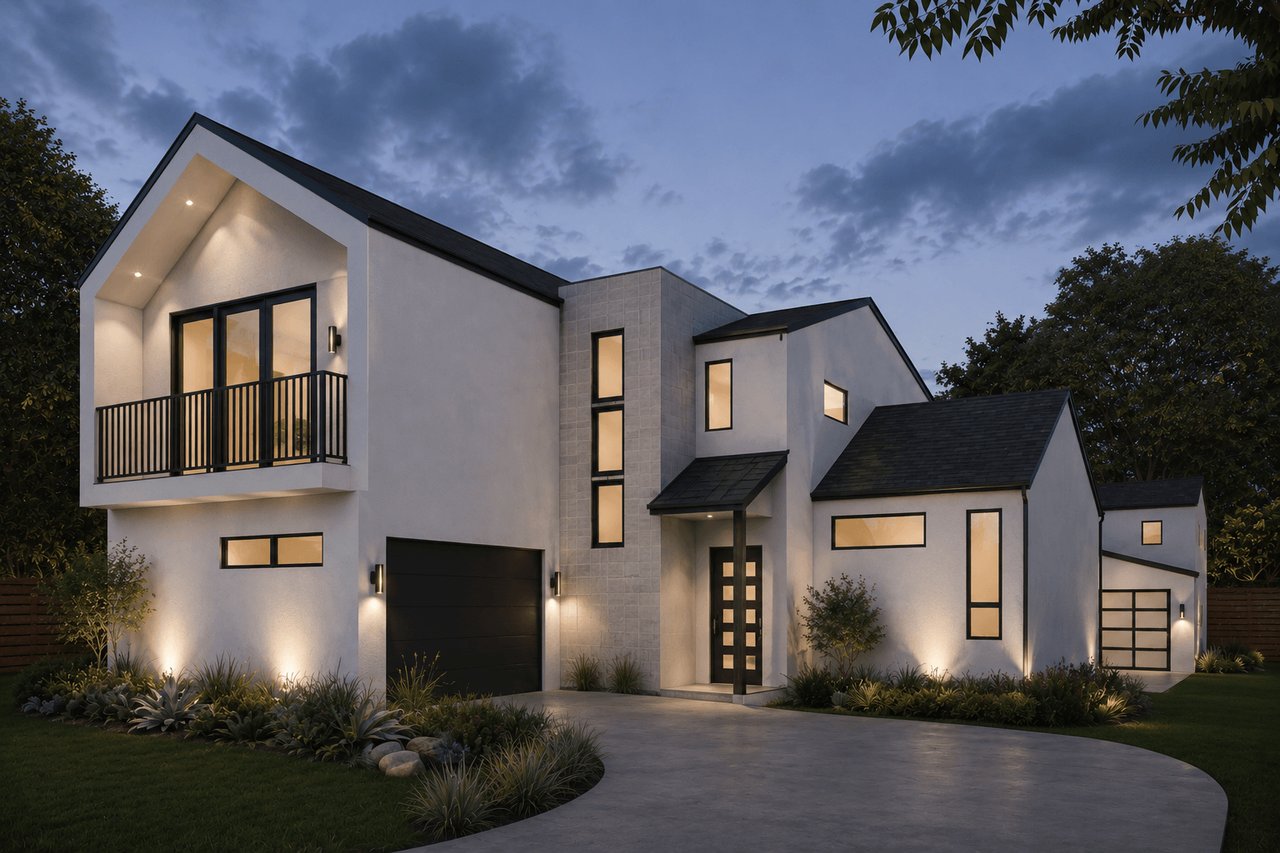
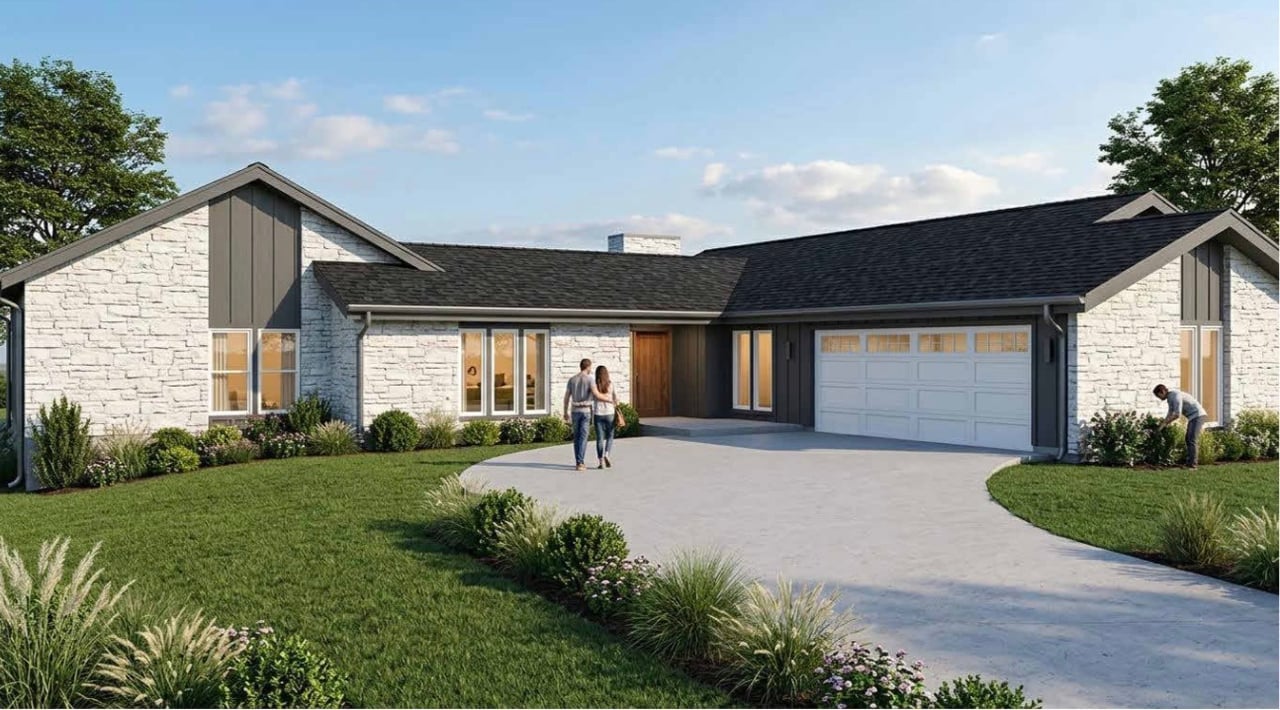
Central Austin is the heart of the city and close to all, from the lively city center.
Central Austin is the heart of the city and close to all, from the lively city center.
Where historic charm meets modern living in the heart of the city.
Central Austin represents the urban heart of Texas's capital city, encompassing the historic downtown core and surrounding established neighborhoods. The area stretches from Lady Bird Lake northward through the University of Texas campus, bounded roughly by MoPac Expressway (Loop 1) to the west and I-35 to the east.
The character is distinctly urban yet retains Austin's trademark eclectic spirit. Victorian-era homes stand alongside modern high-rises, locally-owned coffee shops neighbor tech startup headquarters, and live music venues dot every major street. The "Keep Austin Weird" ethos originated here and remains palpable in the neighborhood's diverse mix of independent businesses and creative enterprises.
Central Austin draws young professionals, empty nesters seeking walkable lifestyles, UT faculty and staff, state government employees, and entrepreneurs attracted to the proximity of major employers. The appeal lies in the ability to walk or bike to work, access world-class dining and entertainment, and live in architecturally significant homes with established tree canopy—all within minutes of the State Capitol.
Central Austin attracts residents who prioritize walkability, cultural access, and urban convenience over suburban square footage. The population skews toward professionals in their 30s–50s, though the proximity to UT Austin brings graduate students and young academics into certain sub-neighborhoods like Hyde Park and North University.
Tech workers comprise a significant segment, drawn by headquarters and regional offices of major employers including Google, Meta, Apple, and numerous startups along Congress Avenue and the East Side. State government employees and lobbyists favor the convenience of living near the Capitol complex. Healthcare professionals at Dell Seton Medical Center and UT Health also populate the area.
Families with children are present but less dominant than in suburban Austin. Those who do raise families here typically value urban schools, cultural exposure, and walkable neighborhoods over large lots. Retirees and empty nesters increasingly choose Central Austin condominiums for lock-and-leave convenience near restaurants, theaters, and medical facilities.
The lifestyle orientation is active and socially engaged. Residents frequent farmers markets, attend live music regularly, cycle on the Hike and Bike Trail, and patronize independent businesses. There is strong civic participation and neighborhood association activity throughout Central Austin's distinct sub-areas.
Boundaries: Central Austin is generally defined as the area bounded by Lady Bird Lake (formerly Town Lake) to the south, US-183 to the north, MoPac Expressway (Loop 1) to the west, and I-35 to the east. Key sub-neighborhoods include Downtown, Old West Austin, Clarksville, Tarrytown, Hyde Park, North Loop, Hancock, and Rosedale.
Terrain & Natural Features: The terrain transitions from relatively flat downtown areas to rolling hills in the western portions near Tarrytown and Old West Austin. Shoal Creek and Waller Creek run through the area, creating greenbelts and occasional flooding concerns. The Edwards Aquifer recharge zone influences western development restrictions.
Lady Bird Lake provides 10+ miles of hike-and-bike trails along its shores, serving as Central Austin's primary recreational corridor. Pease Park, Zilker Park (at the southern edge), and numerous pocket parks provide green space throughout the urban core.
Climate: Central Austin experiences a humid subtropical climate with hot summers averaging 95°F+ from June through September. Winters are mild with average lows in the 40s°F. Annual rainfall averages 34 inches, with heaviest precipitation in May and October. The urban heat island effect makes Central Austin 2–5°F warmer than surrounding suburbs.
Pricing
Central Austin commands premium pricing within the Austin metro. Single-family homes in established neighborhoods like Tarrytown and Old West Austin typically list between $1.2M and $4M+. Hyde Park and Rosedale offer relatively more accessible entry points from $700K to $1.5M. Downtown condominiums range from $400K for studios to $3M+ for luxury penthouses.
Market Conditions
Inventory remains constrained due to limited developable land and historic preservation restrictions in certain areas. Days on market vary significantly by price point: well-priced homes under $1M often receive multiple offers within 2–3 weeks, while luxury properties above $2M may sit 60–90 days. The market has normalized from the 2021–2022 frenzy but remains competitive for desirable properties.
Appreciation Trends
Long-term appreciation in Central Austin has outpaced the broader Austin metro, with established neighborhoods like Clarksville and Old West Austin seeing 6–8% annual gains over the past decade. The 2022–2023 correction impacted Central Austin less severely than suburban areas due to limited supply and sustained demand from high-income buyers.
Major Active Projects
Project Connect Light Rail: Austin's voter-approved transit expansion includes the Orange Line running from North Lamar through downtown to the airport and the Blue Line connecting east-west. Construction is underway with initial segments expected to open by 2030. This will significantly impact property values along transit corridors.
South Central Waterfront District: A 118-acre redevelopment initiative along Lady Bird Lake between Congress Avenue and I-35 will transform underutilized land into mixed-use development including affordable housing, parks, and commercial space over the next 15–20 years.
I-35 Cap and Stitch: TxDOT's reconstruction of I-35 through downtown includes "caps" that will create new parkland over the depressed highway, reconnecting East Austin with the downtown core. Completion is anticipated in the early 2030s.
Residential Development
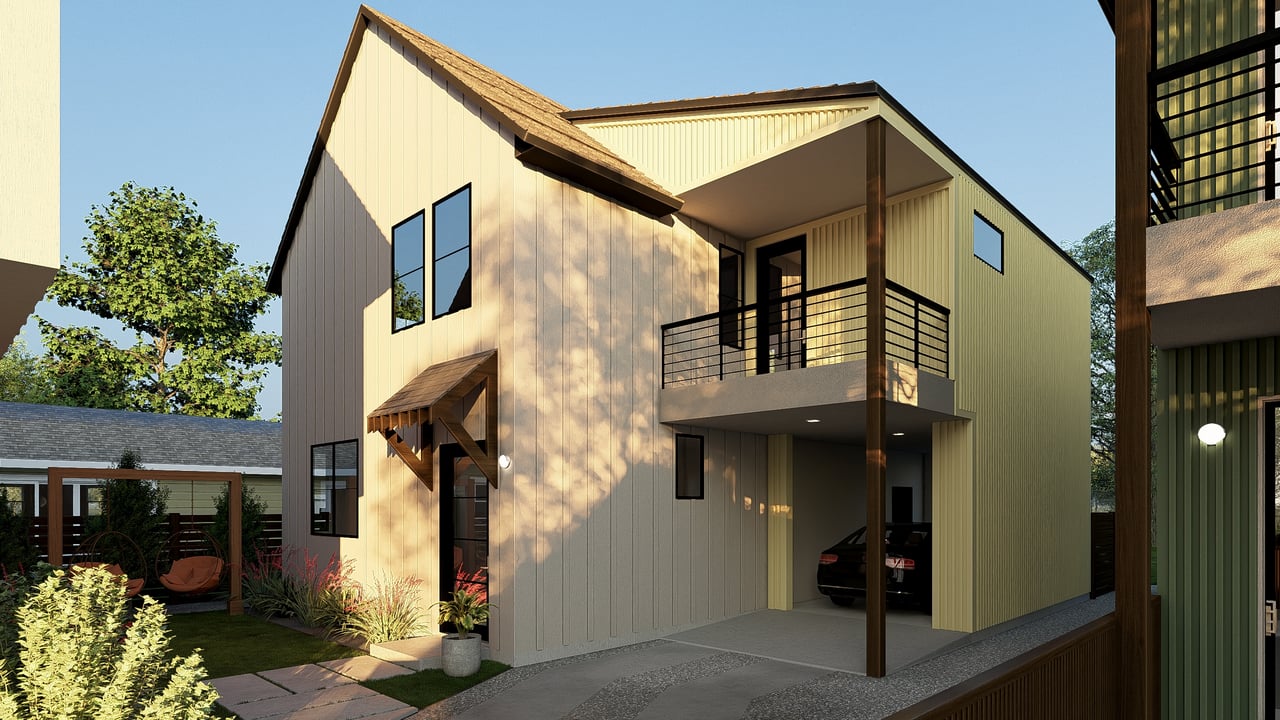
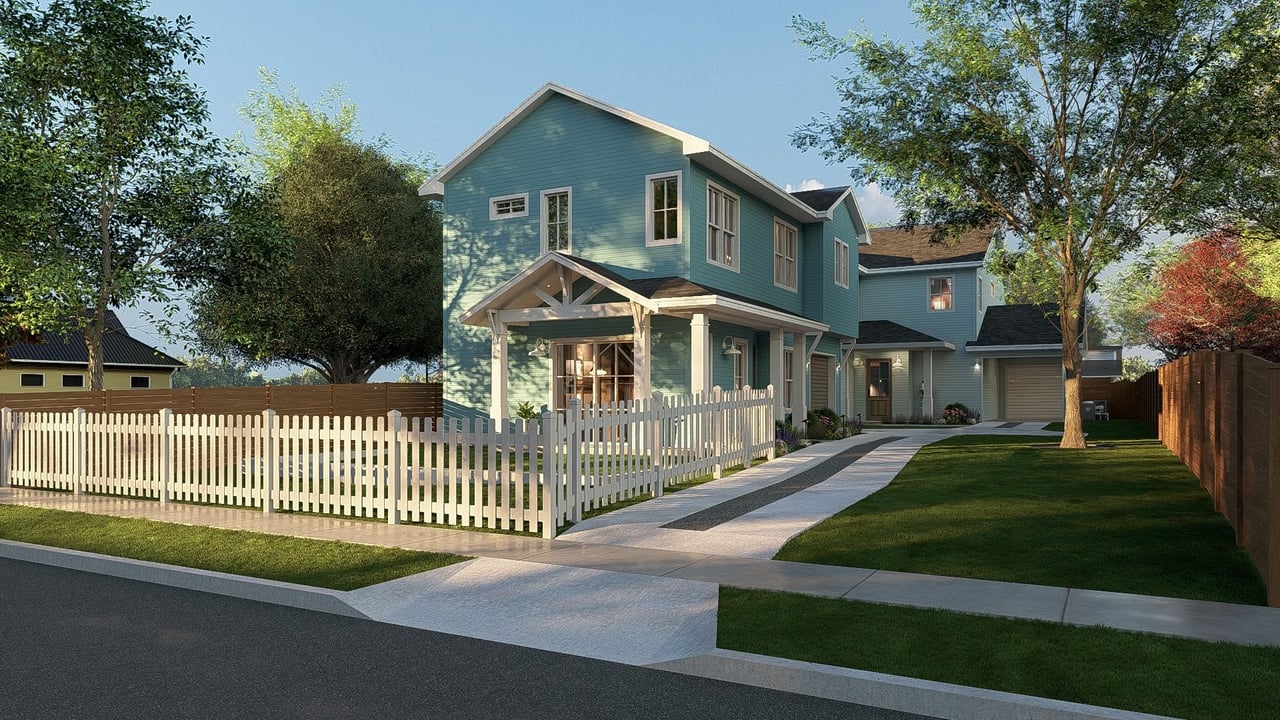
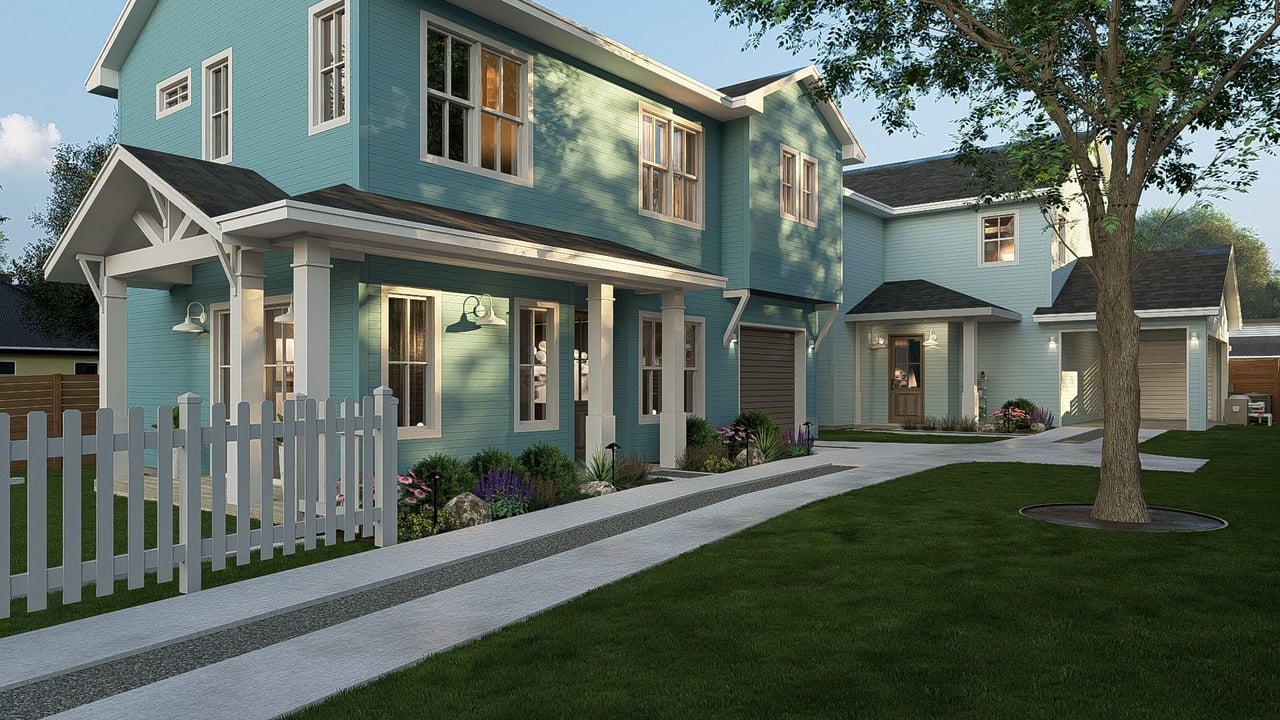
High-rise construction continues along the downtown waterfront and Rainey Street district. The Rainey Street Historic District has seen extensive townhome and condo development. Infill development in Hyde Park and Rosedale involves tear-down rebuilds and ADU (accessory dwelling unit) construction following Austin's relaxed zoning codes.
Fine Dining: Uchi and Uchiko deliver acclaimed Japanese cuisine, with reservations essential. Emmer & Rye on Rainey Street showcases seasonal Texas ingredients. Jeffrey's in Clarksville remains a special-occasion institution. Launderette in East Austin blends refined technique with neighborhood comfort. Juniper brings Italian sophistication to the West Side.
Casual & Local Favorites: Kerbey Lane Cafe serves 24/7 comfort food at multiple Central Austin locations. Trudy's North Star for Tex-Mex and margaritas. Magnolia Cafe on Lake Austin Boulevard for late-night breakfast. Fonda San Miguel delivers interior Mexican cuisine in elegant surroundings. Hyde Park Bar & Grill anchors the Hyde Park neighborhood.
Coffee & Cafes: Houndstooth Coffee originated in Central Austin with multiple locations. Flitch Coffee on North Loop for craft roasts. Mozart's Coffee Roasters on Lake Austin Boulevard offers waterfront patio seating. Cenote in East Austin combines coffee with beer and community gathering space.
Live Music & Nightlife: The Continental Club and C-Boy's Heart & Soul on South Congress anchor Austin's roots music scene. Antone's Nightclub hosts blues legends. Stubb's BBQ combines outdoor concerts with smoked meats. The Mohawk showcases indie and alternative acts. 6th Street offers every variety of nightlife from dive bars to upscale lounges.
Cultural Venues: The Paramount Theatre presents film, comedy, and performances in a restored 1915 venue. Bass Concert Hall at UT hosts major touring productions. The ZACH Theatre stages regional premieres. The Blanton Museum of Art showcases European and Latin American collections. The Bullock Texas State History Museum covers the Texas story comprehensively.
Retail Districts: South Congress Avenue (SoCo) concentrates independent boutiques, vintage shops, and Austin-original retailers like Allen's Boots and Uncommon Objects. 2nd Street District downtown offers upscale national brands alongside local shops. The Domain (north of Central Austin) provides the nearest full-scale shopping center experience.
Grocery: Whole Foods Market flagship store at 6th and Lamar anchors Central Austin grocery shopping—this is the company's original location and global headquarters. Central Market on North Lamar provides gourmet and specialty items. H-E-B operates locations on South Congress and South Lamar. Trader Joe's at the Arboretum serves northern Central Austin residents.
Farmers Markets: The SFC Farmers' Market at Republic Square operates Saturdays year-round, featuring local produce, prepared foods, and artisan goods. Hope Farmers Market on Sunday mornings at Plaza Saltillo brings East Austin producers and food vendors together. Mueller Farmers Market serves the Mueller development area on Sundays.
Home & Design: Shoal Creek design district along West 5th Street concentrates showrooms for furniture, lighting, and interior design. Room & Board and West Elm have downtown-area locations. Antique shops cluster along Burnet Road north of 45th Street.
Austin ISD Public Schools
Austin High School serves most of Central Austin west of I-35, consistently rated among Austin's stronger public high schools. McCallum High School covers Hyde Park and Rosedale with recognized fine arts programs. Elementary attendance zones vary block-by-block—highly-rated campuses include Casis, Bryker Woods, and Lee (Rosedale area).
AISD operates several magnet and specialized programs: LASA (Liberal Arts and Science Academy) draws high-performing students citywide, Kealing Middle School's magnet program feeds into LASA, and Ann Richards School for Young Women Leaders accepts applicants from across the district.
Private Schools
St. Andrew's Episcopal School in West Austin provides K–12 education on a 40-acre campus. Austin Waldorf School and Austin Montessori serve alternative education philosophies. St. Austin Catholic School downtown offers pre-K through 8th grade. Griffin School provides college prep for grades 6–12. St. Stephen's Episcopal School in Westlake draws from Central Austin.
Preschools
Quality preschool slots are competitive—waitlists of 1–2 years are common for sought-after programs. Extend-A-Care operates after-school programs at AISD campuses. UT Child Development Center serves university families. Private options include Reggio Emilia-inspired programs like the Wonder School and multiple Montessori campuses.
Higher Education
The University of Texas at Austin dominates Central Austin's educational landscape with 51,000+ students. The McCombs School of Business, School of Law, and Dell Medical School rank among national leaders. Austin Community College operates the Highland campus north of Central Austin and downtown locations.
Major Highways: I-35 runs through Central Austin's eastern edge, providing north-south connectivity but notorious congestion. MoPac (Loop 1) bounds the west side with somewhat better traffic flow and toll express lanes. US-183 marks the northern boundary. Loop 360 (Capital of Texas Highway) connects to west Austin and the Hill Country.
Public Transit: Capital Metro operates the MetroRail Red Line from downtown to Leander, with limited frequency (every 30 minutes peak, hourly off-peak). Bus service includes rapid routes along Lamar, Guadalupe, and Congress. The upcoming Project Connect light rail will dramatically improve transit options by 2030. Current transit is functional but not comprehensive.
Cycling: Central Austin offers the region's best cycling infrastructure. Protected bike lanes run along Guadalupe, Lavaca, and portions of Congress Avenue. The Butler Hike and Bike Trail provides recreational routes. Many Central Austin residents commute by bicycle year-round, though summer heat limits midday cycling. Austin BCycle bike-share stations are concentrated downtown.
Airport Access: Austin-Bergstrom International Airport (AUS) lies approximately 8 miles southeast of downtown. Commute times range from 15 minutes (off-peak) to 45+ minutes (rush hour or events). Rideshare runs $25–$40 from Central Austin. The upcoming Blue Line light rail will provide direct airport connectivity.
Commercial Real Estate: Class A office space downtown commands $50–$70/SF annually with strong tech-sector demand. Retail lease rates on South Congress and 2nd Street run $40–$80/SF. The East Austin/East Cesar Chavez corridor offers emerging opportunities at lower rates. Industrial space within Central Austin is extremely limited.
Residential Investment: Austin's revised land development code (HOME Initiative, passed 2023–2024) allows up to three units on most residential lots and increased density along transit corridors. This creates opportunities for ADU development and small-scale infill. Short-term rental regulations have tightened—verify current licensing requirements and neighborhood restrictions before purchasing investment properties.
Startup Ecosystem: Central Austin hosts Austin's highest concentration of coworking spaces, accelerators, and venture capital offices. Capital Factory downtown serves as the region's flagship startup hub. UT Austin's IC² Institute and research programs generate spinoff companies. The tech talent pool, fueled by UT graduates and California transplants, supports continued entrepreneurial growth.
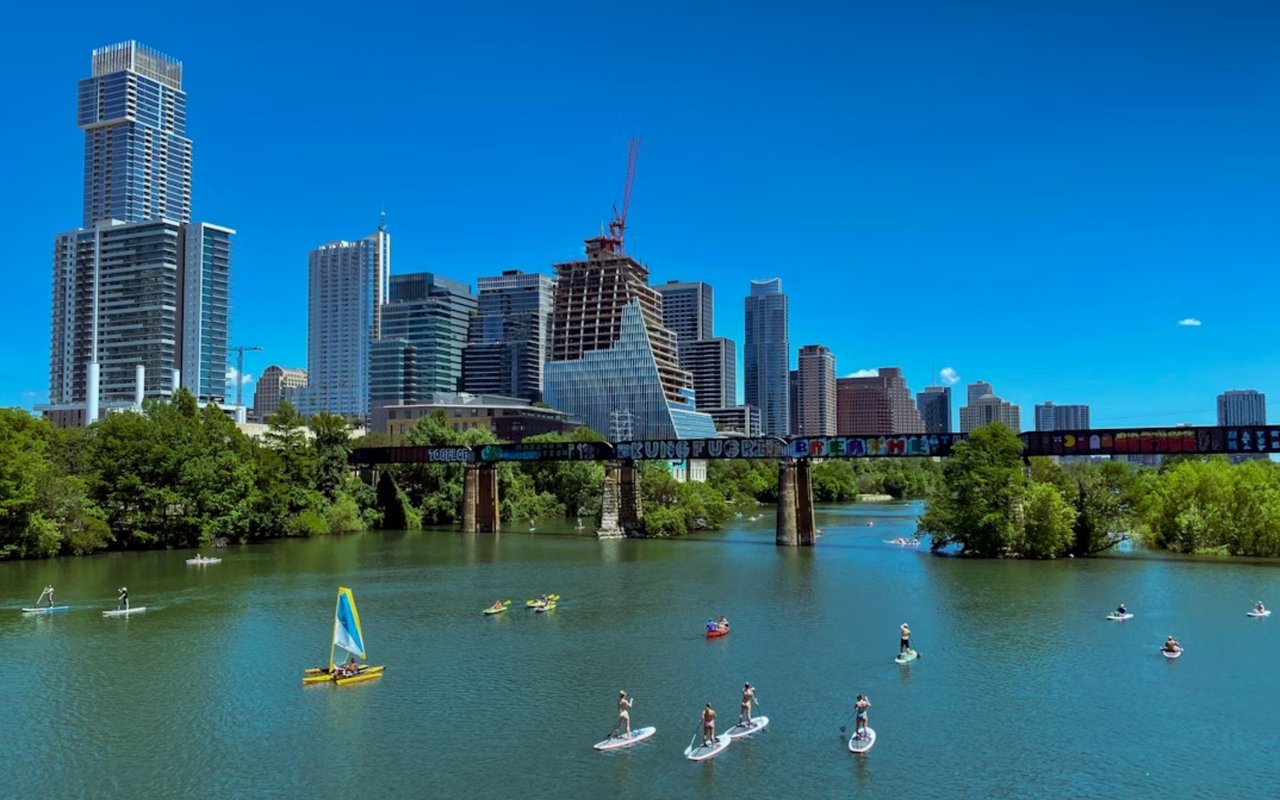
Central Austin delivers a quality of life difficult to replicate elsewhere in Texas. Residents walk to locally-owned restaurants, paddle board on Lady Bird Lake before work, catch live music on a Tuesday night, and bike to the farmers market on Saturday morning. The lifestyle combines urban convenience with outdoor access in a way few Southern cities achieve.
The cultural density stands unmatched in the Austin metro. World-class restaurants, independent theaters, galleries, and music venues cluster within Central Austin. The creative and tech communities intersect, generating an innovative energy reflected in everything from food trucks to software startups.
Established neighborhoods offer architectural character, mature trees, and genuine community. Hyde Park porches host neighbor conversations. Clarksville streets remain walkable. Old West Austin lots provide privacy within minutes of downtown. These neighborhoods maintain identity in a city of rapid change.
Central Austin provides career access without car dependency. Professionals walk or bike to major employers, reducing commute stress that defines much of the metro area. The proximity to the Capitol, UT, and downtown commercial centers concentrates opportunity within a compact geography.
Central Austin is ideal for professionals who want to walk or bike to work and prioritize career access over square footage. Those who value dining, live music, and cultural amenities as part of daily life rather than occasional outings. Buyers willing to pay premium prices for established neighborhoods with architectural character and mature landscaping.
Empty nesters transitioning from suburban homes who want lock-and-leave convenience near restaurants, healthcare, and entertainment. Investors seeking stable appreciation in supply-constrained locations. Families who prioritize urban schools and cultural exposure over large lots and new construction.
On the other hand, Central Austin may not be right for buyers seeking maximum space for the dollar, new construction communities, or quiet suburban settings. Those who require top-rated public schools without navigating AISD's complex transfer and magnet systems. Commuters working in the suburbs, tech campuses in Round Rock/Cedar Park, or the Domain area where reverse commutes add significant time.
Central Austin rewards residents who embrace urban living: the noise, the density, the pace, and the proximity. For those aligned with this lifestyle, few places in Texas offer comparable quality of life.
25,533 people live in Central Austin, where the median age is 24 and the average individual income is $33,659. Data provided by the U.S. Census Bureau.
Total Population
Median Age
Population Density Population Density This is the number of people per square mile in a neighborhood.
Average individual Income
There's plenty to do around Central Austin, including shopping, dining, nightlife, parks, and more. Data provided by Walk Score and Yelp.
Explore popular things to do in the area, including Sharic's Sweets, Chevre's Awesome Sliders, and BurgerNCoffee.
| Name | Category | Distance | Reviews |
Ratings by
Yelp
|
|---|---|---|---|---|
| Dining | 0.23 miles | 0 reviews | 0/5 stars | |
| Dining | 0.26 miles | 0 reviews | 0/5 stars | |
| Dining | 0.45 miles | 0 reviews | 0/5 stars | |
| Dining | 0.51 miles | 0 reviews | 0/5 stars | |
| Dining | 0.77 miles | 2 reviews | 3/5 stars | |
| Shopping | 0.48 miles | 2 reviews | 3/5 stars | |
| Shopping | 0.54 miles | 8 reviews | 5/5 stars | |
| Shopping | 0.66 miles | 1 review | 2/5 stars | |
| Active | 0.64 miles | 1 review | 5/5 stars | |
| Nightlife | 0.62 miles | 7 reviews | 4.7/5 stars | |
| Nightlife | 0.87 miles | 117 reviews | 3.5/5 stars | |
| Beauty | 0.1 miles | 0 reviews | 0/5 stars | |
| Beauty | 0.2 miles | 3 reviews | 5/5 stars | |
| Beauty | 0.49 miles | 13 reviews | 5/5 stars | |
| Beauty | 0.5 miles | 3 reviews | 3.7/5 stars | |
| Beauty | 0.61 miles | 8 reviews | 5/5 stars | |
| Beauty | 0.63 miles | 0 reviews | 0/5 stars | |
| Beauty | 0.85 miles | 0 reviews | 0/5 stars | |
|
|
||||
|
|
||||
|
|
||||
|
|
||||
|
|
||||
|
|
Central Austin has 11,926 households, with an average household size of 2. Data provided by the U.S. Census Bureau. Here’s what the people living in Central Austin do for work — and how long it takes them to get there. Data provided by the U.S. Census Bureau. 25,533 people call Central Austin home. The population density is 21,806 and the largest age group is Data provided by the U.S. Census Bureau.
Total Population
Population Density Population Density This is the number of people per square mile in a neighborhood.
Median Age
Men vs Women
Population by Age Group
0-9 Years
10-17 Years
18-24 Years
25-64 Years
65-74 Years
75+ Years
Education Level
Total Households
Average Household Size
Average individual Income
Households with Children
With Children:
Without Children:
Marital Status
Blue vs White Collar Workers
Blue Collar:
White Collar:
Darsh Parikh | October 20, 2026
From Rooftop Patios to Sculpture Trails Around Rollingwood.
October 15, 2026
Darsh Parikh | October 14, 2026
Beyond the broad appeal of a Westlake address, maximizing your home's sale depends on attracting the right buyer.
Darsh Parikh | October 8, 2026
Explore the appeal of Tarrytown and what to consider before buying a home in one of Austin's best neighborhoods.
October 8, 2026
Darsh Parikh | October 4, 2026
A Guide to Selling Your Multimillion-Dollar Austin Home.
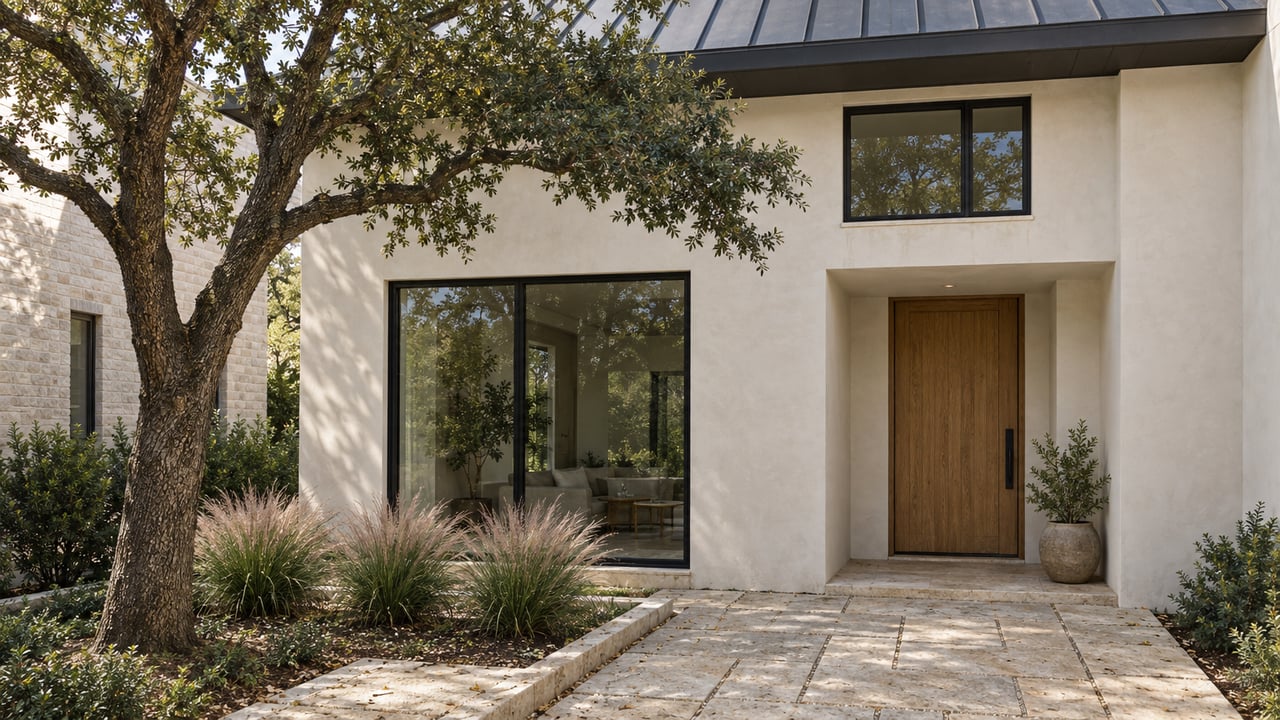
October 1, 2026
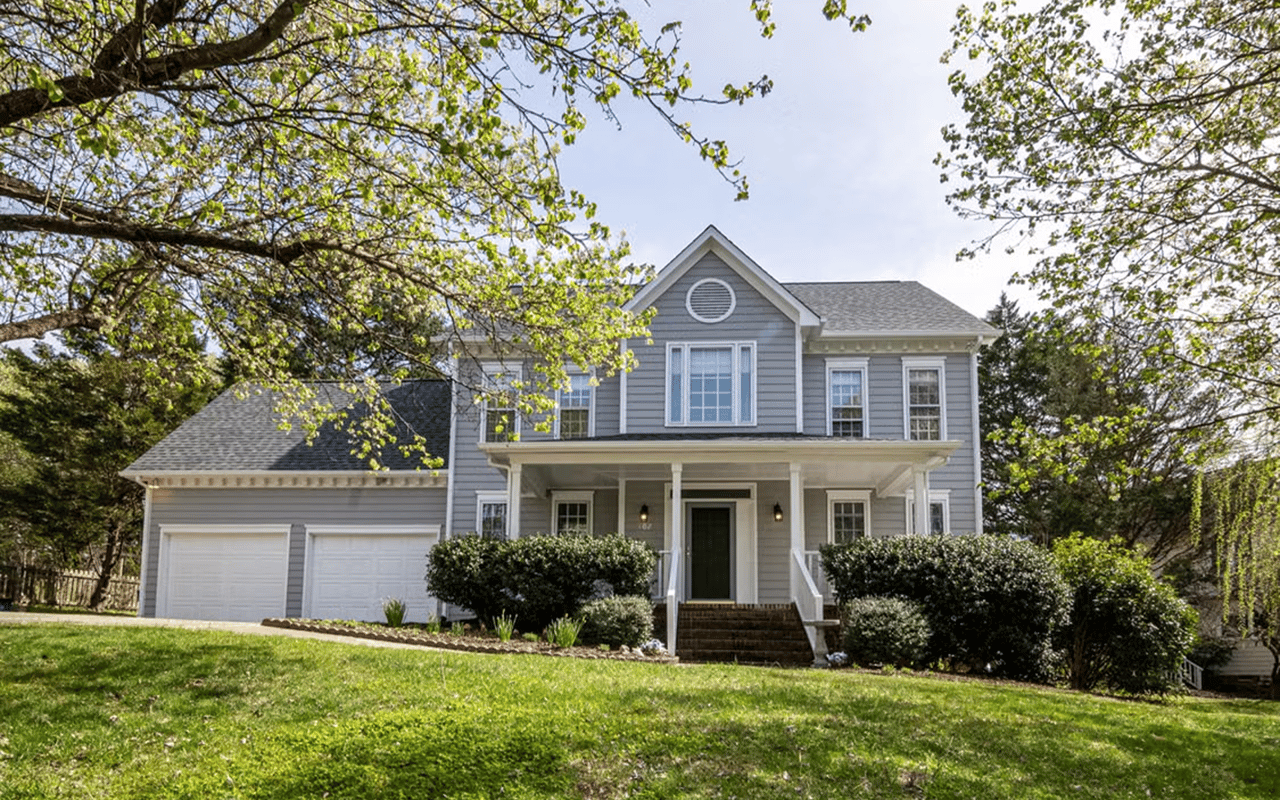
Darsh Parikh | September 28, 2026
Exploring Austin's majestic Barton Hills community, among the city's most sought-after residential destinations.
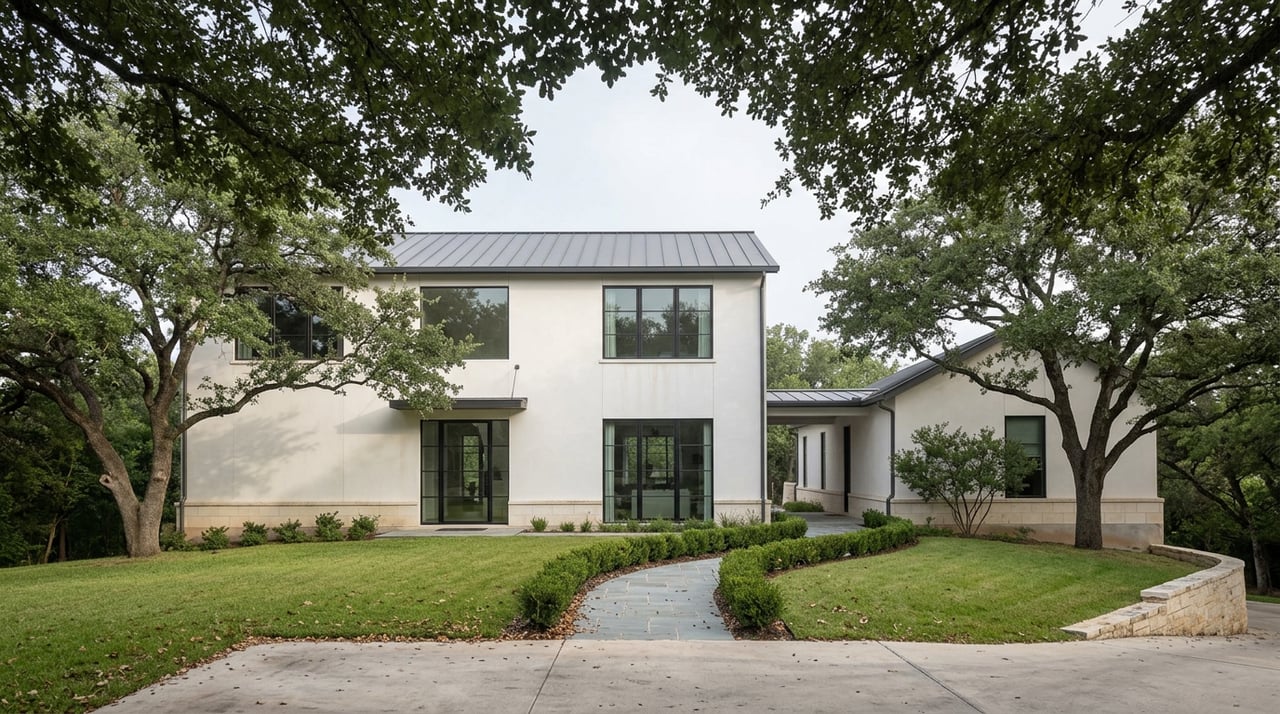
September 24, 2026
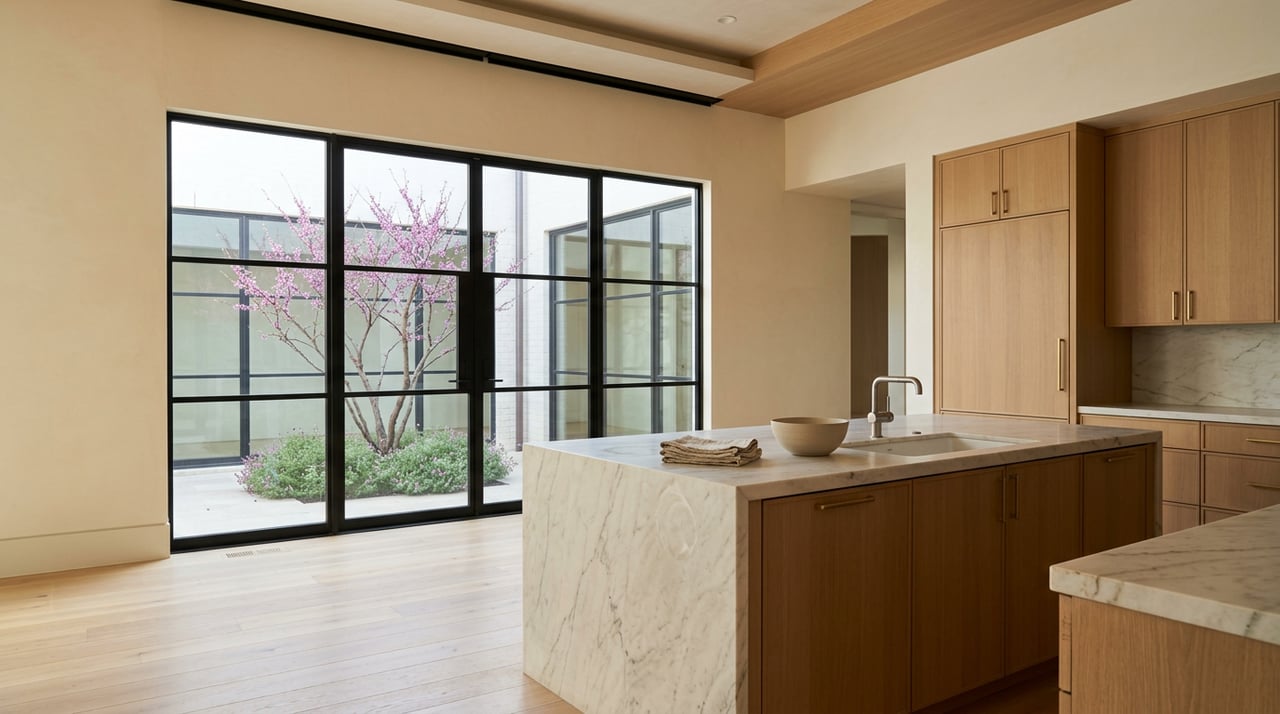
September 17, 2026
September 10, 2026

Darsh Parikh | September 9, 2026
A Local’s Guide to the Best Dog Parks and Trails in Zilker.
September 3, 2026
Darsh Parikh | August 27, 2026
Tips for Positioning Luxury Real Estate in One of Austin's Most Coveted Corners: Accurately Price Your Home in Barton Hills.
August 27, 2026
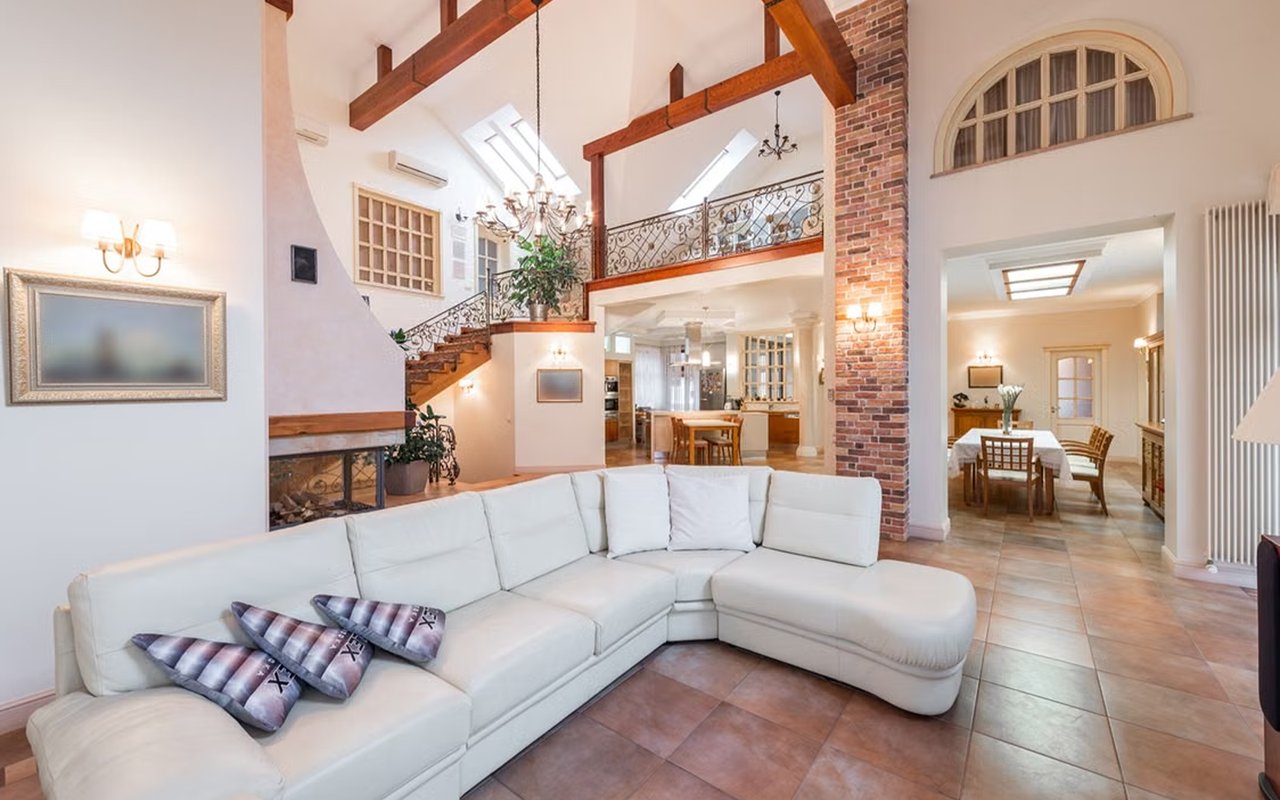
August 25, 2026
How to Sell Luxury Real Estate in Austin for Top Dollar.
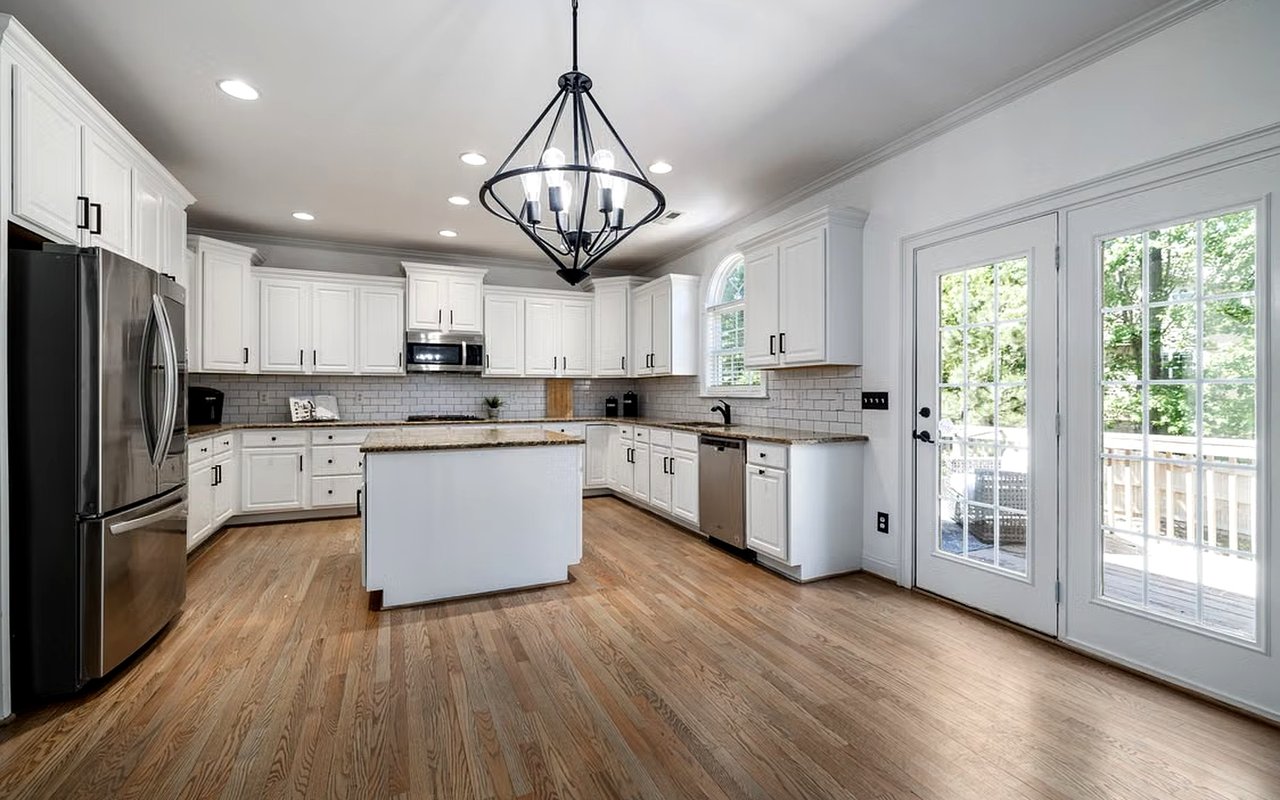
Darsh Parikh | August 24, 2026
Where to Put Your Money Before You List in Austin's Most Prestigious Address: High-ROI Renovations to Make Before Listing Your Tarrytown Home.
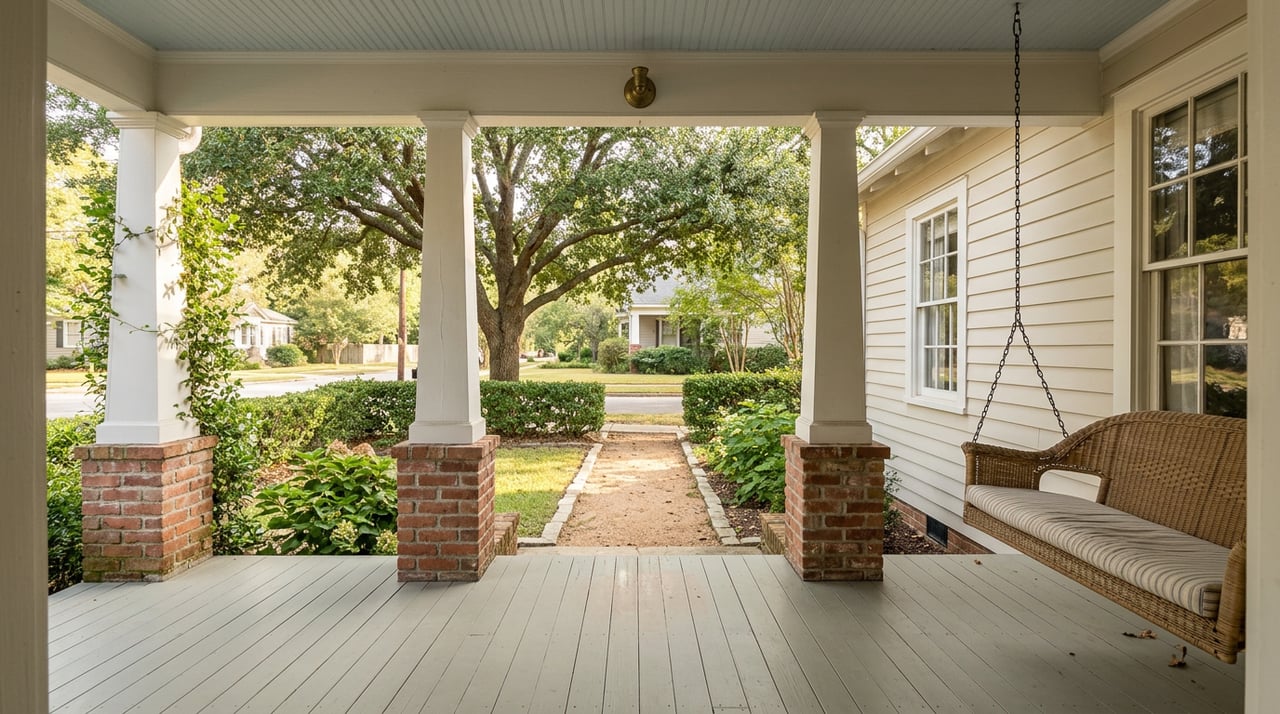
August 20, 2026

Darsh Parikh | August 13, 2026
Map Your Walks or Runs on These Routes Near Barton Hills.
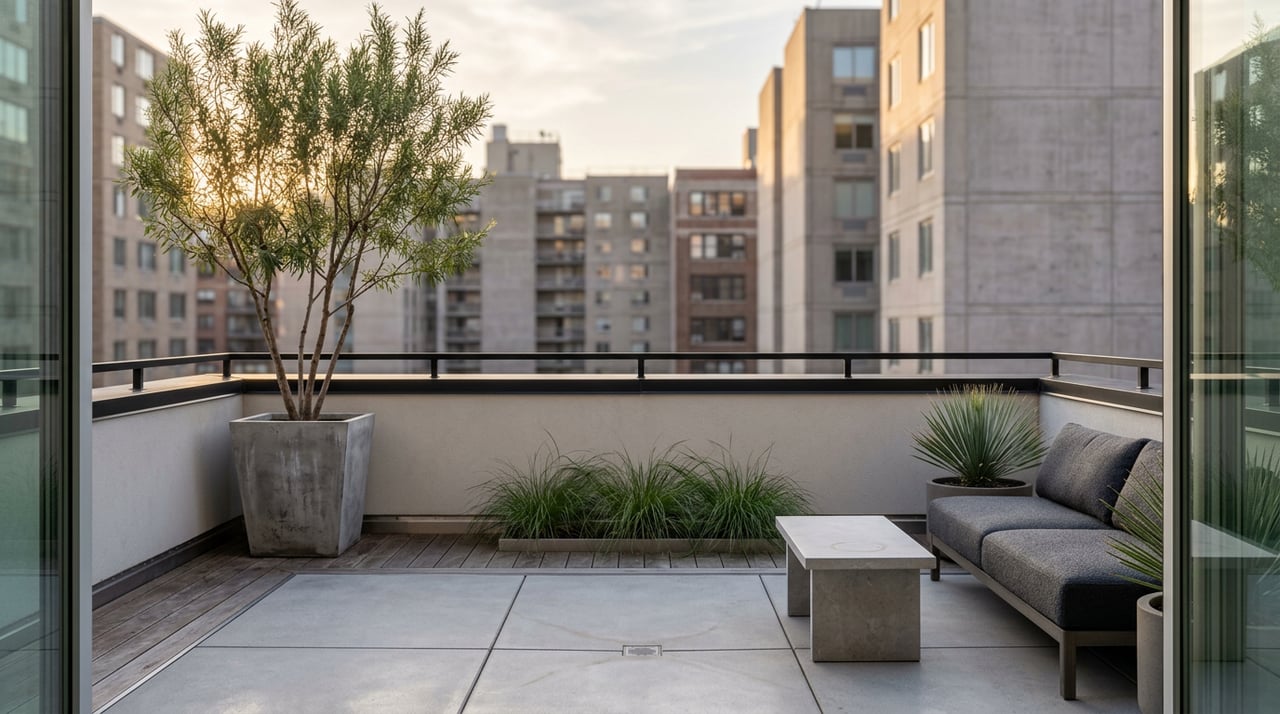
August 13, 2026

Darsh Parikh | August 7, 2026
A Practical Guide for Discerning Diners.
August 6, 2026
August 6, 2026
July 23, 2026
July 23, 2026
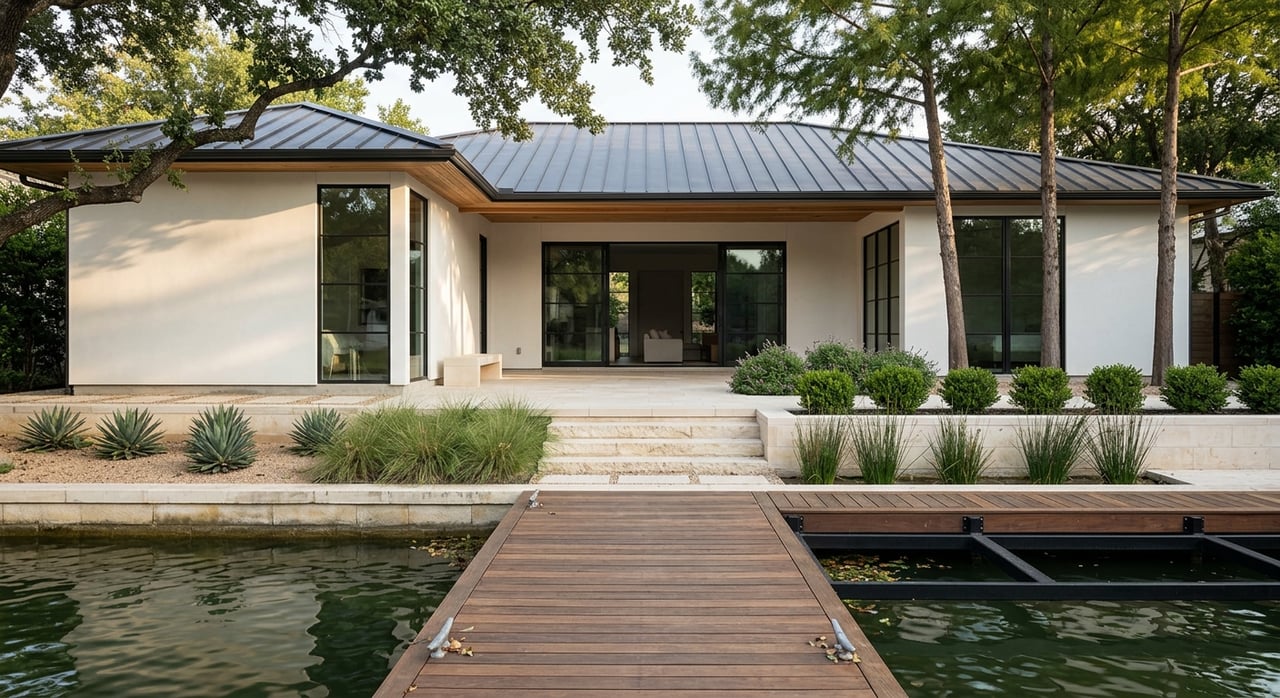
July 16, 2026

Darsh Parikh | July 15, 2026
Your Guide to Buying Smart in Barton Hills, Zilker, and Westlake.
Darsh Parikh | July 15, 2026
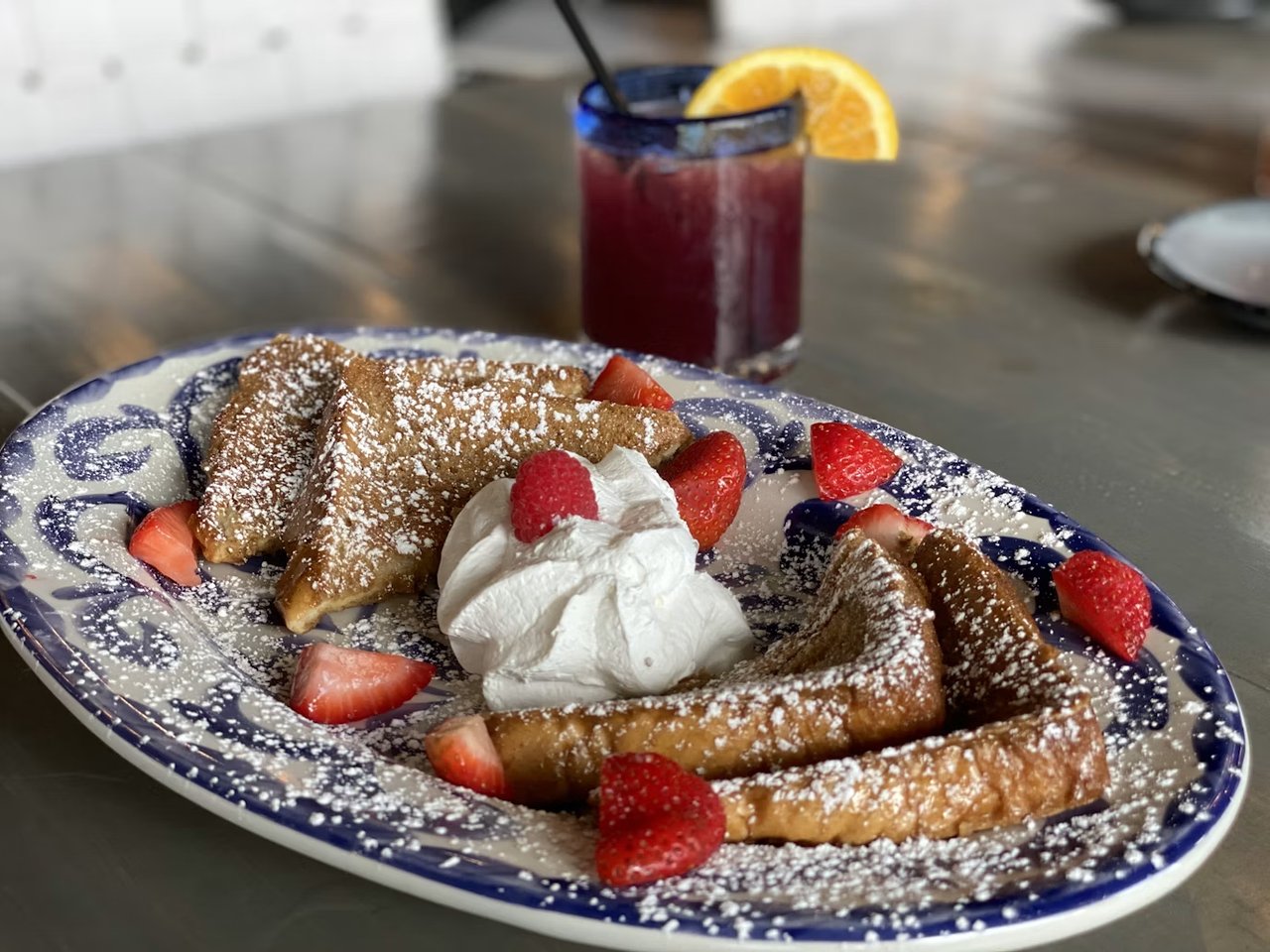
Brunch on Lake Austin or in Tarrytown’s Excellent Cafes.
Darsh Parikh | July 15, 2026
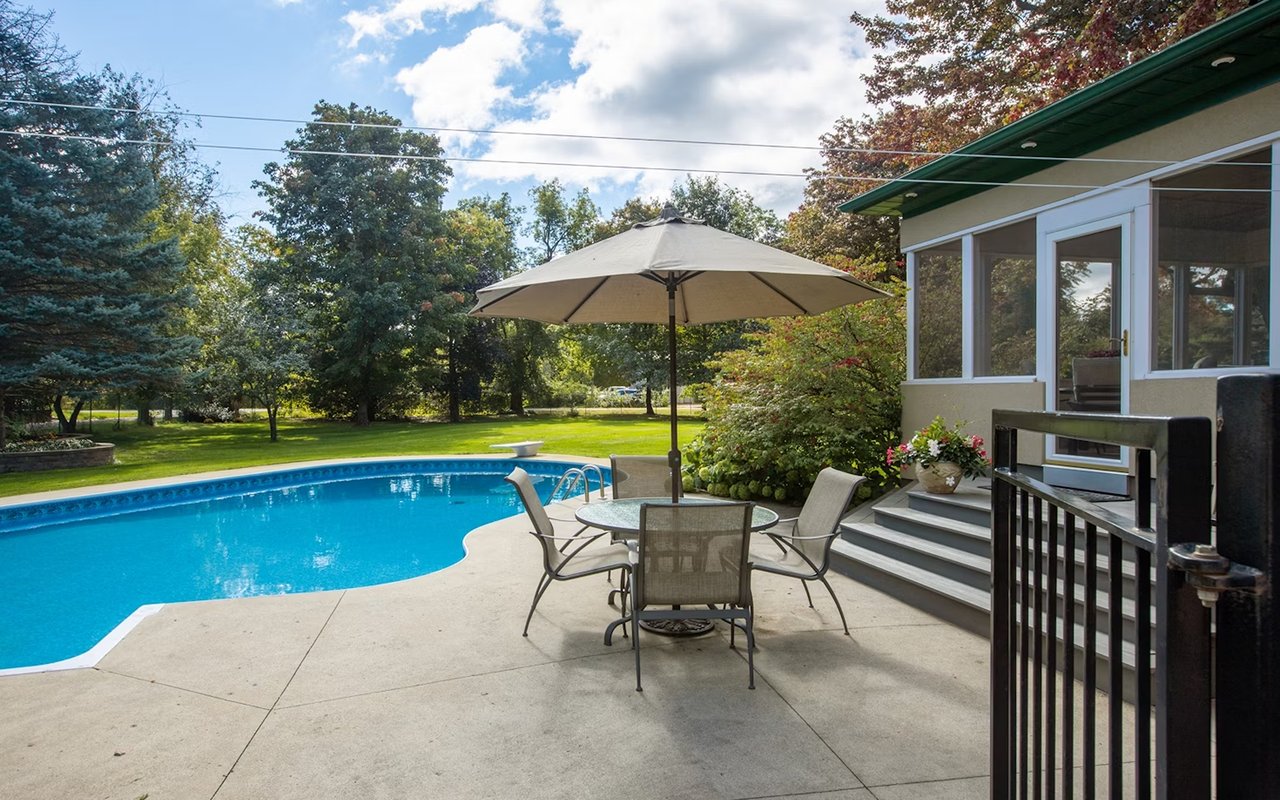
Where Austin's Best Weather Meets Design That Lives Outside.
Darsh Parikh | July 15, 2026
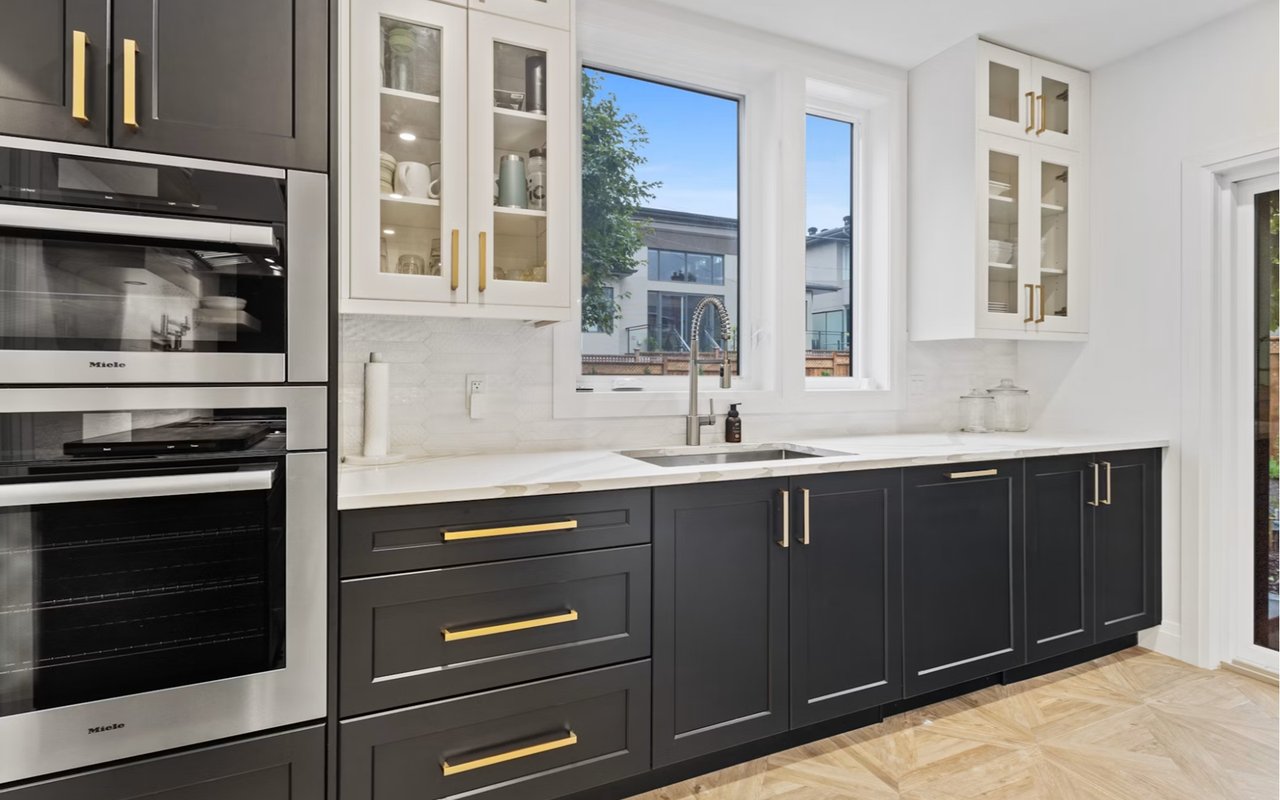
A Buyer's Guide to Reading the Details Beyond the Listing Photos.
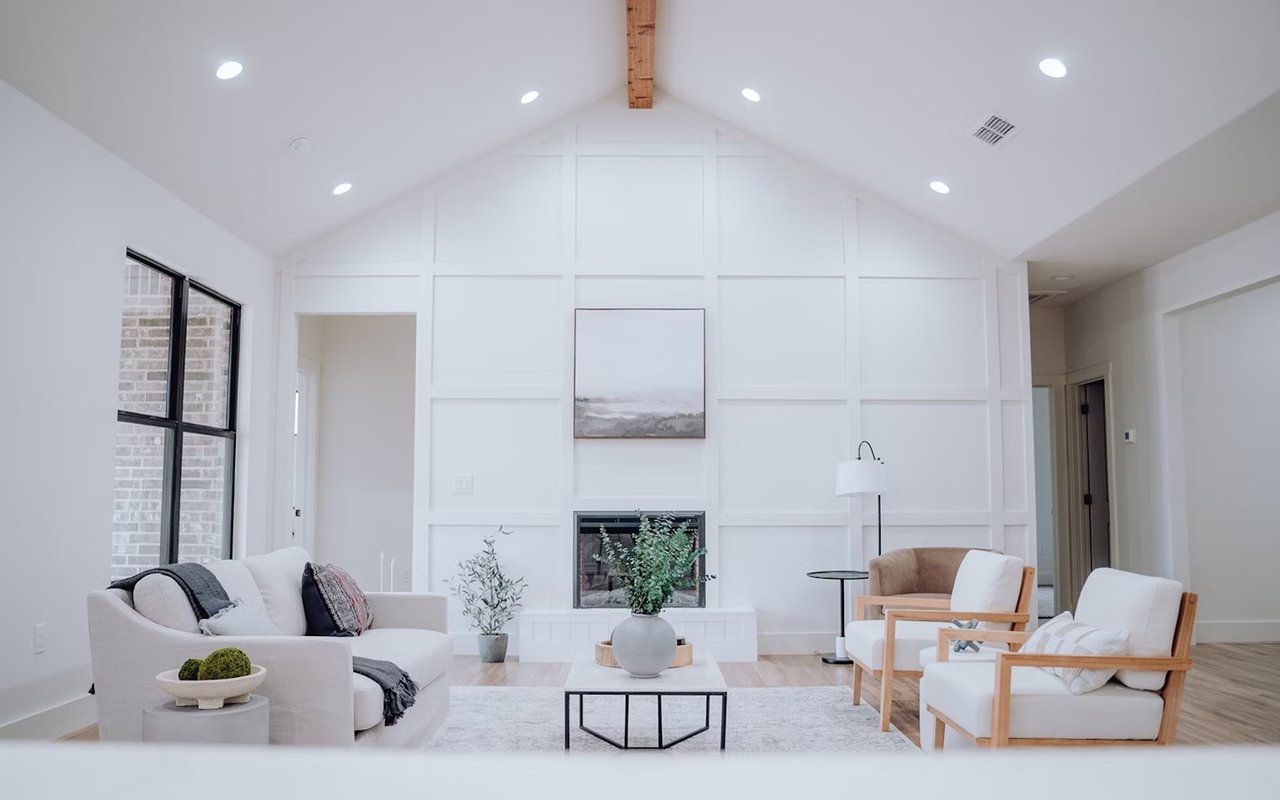
Darsh Parikh | July 15, 2026
Top Tips for Making Your Space a Standout.

Darsh Parikh | July 15, 2026
Winning Strategies for Austin's Most Coveted Address.

Darsh Parikh | July 15, 2026
Reading the Market, Your Goals, and the Moment.
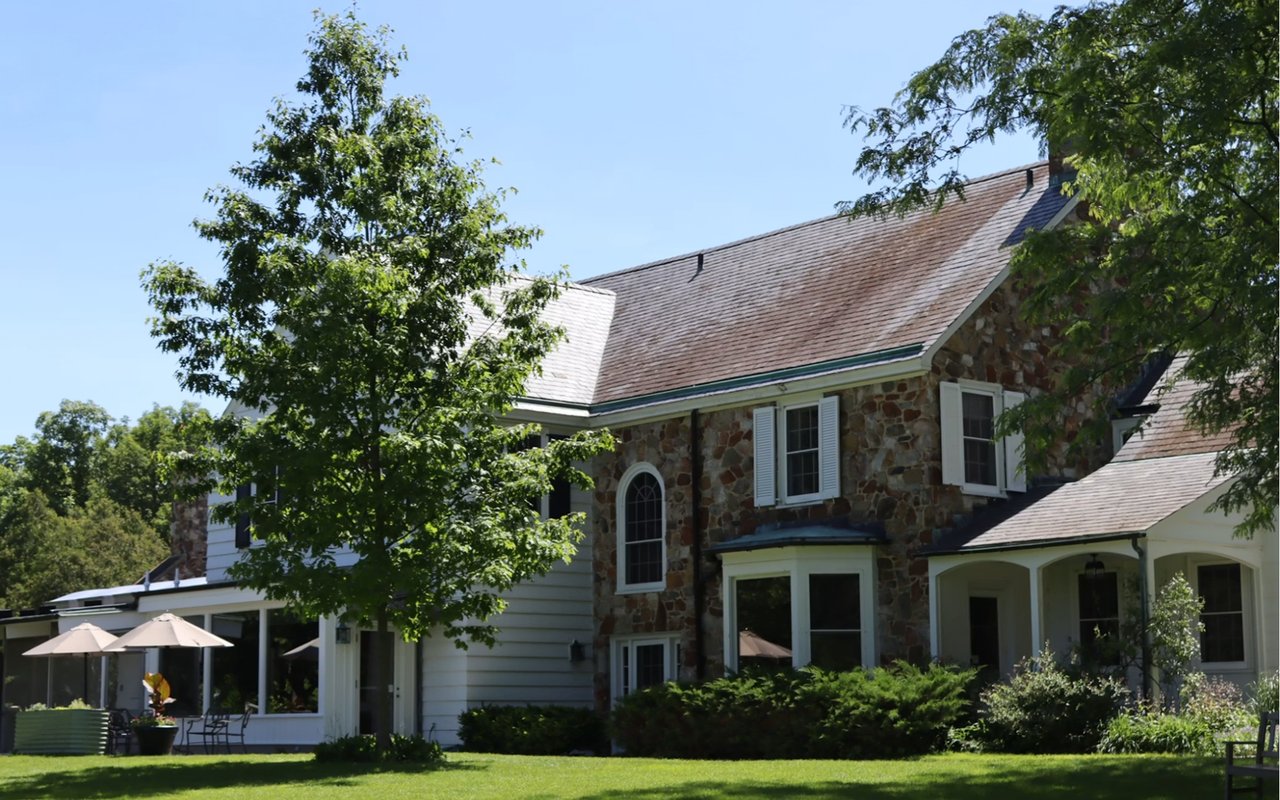
Darsh Parikh | July 15, 2026
Trading Up Without Trading Away What You Love.
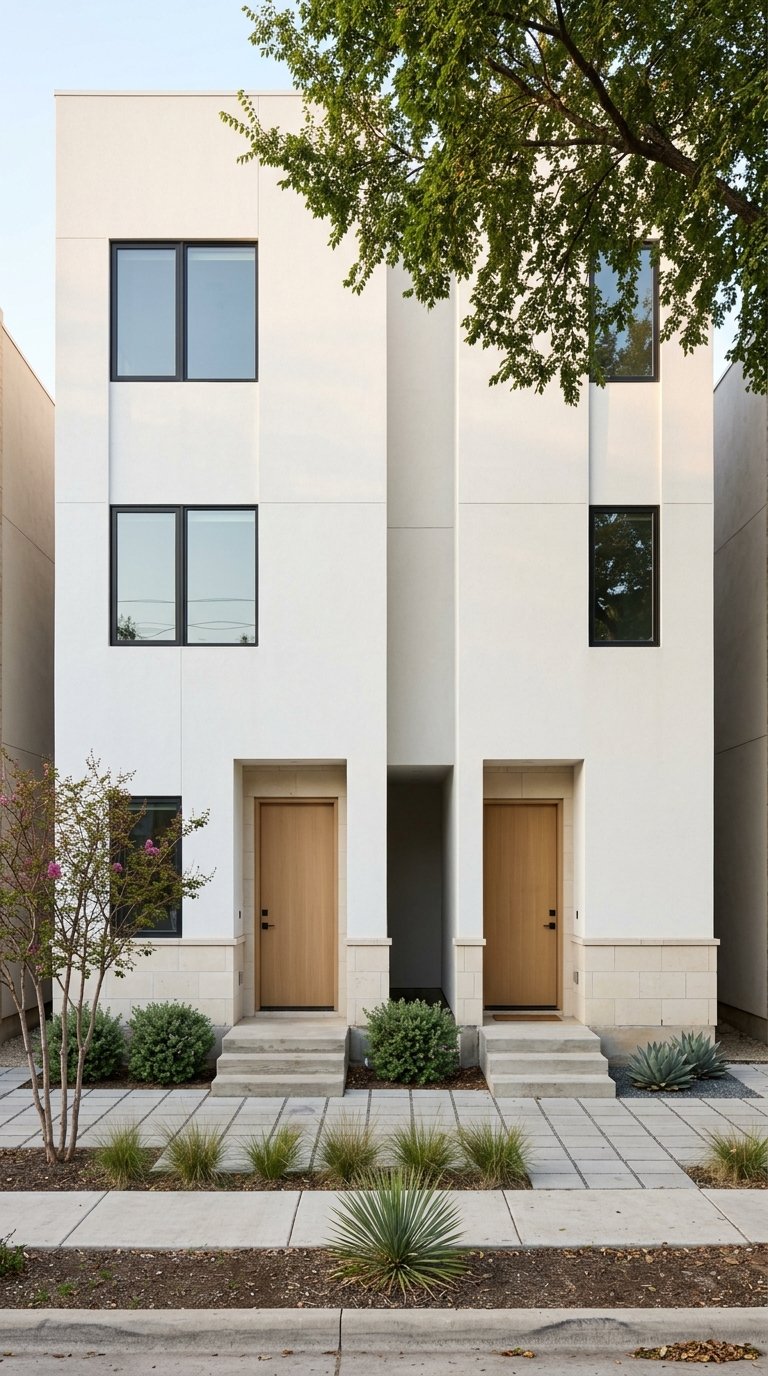
July 9, 2026
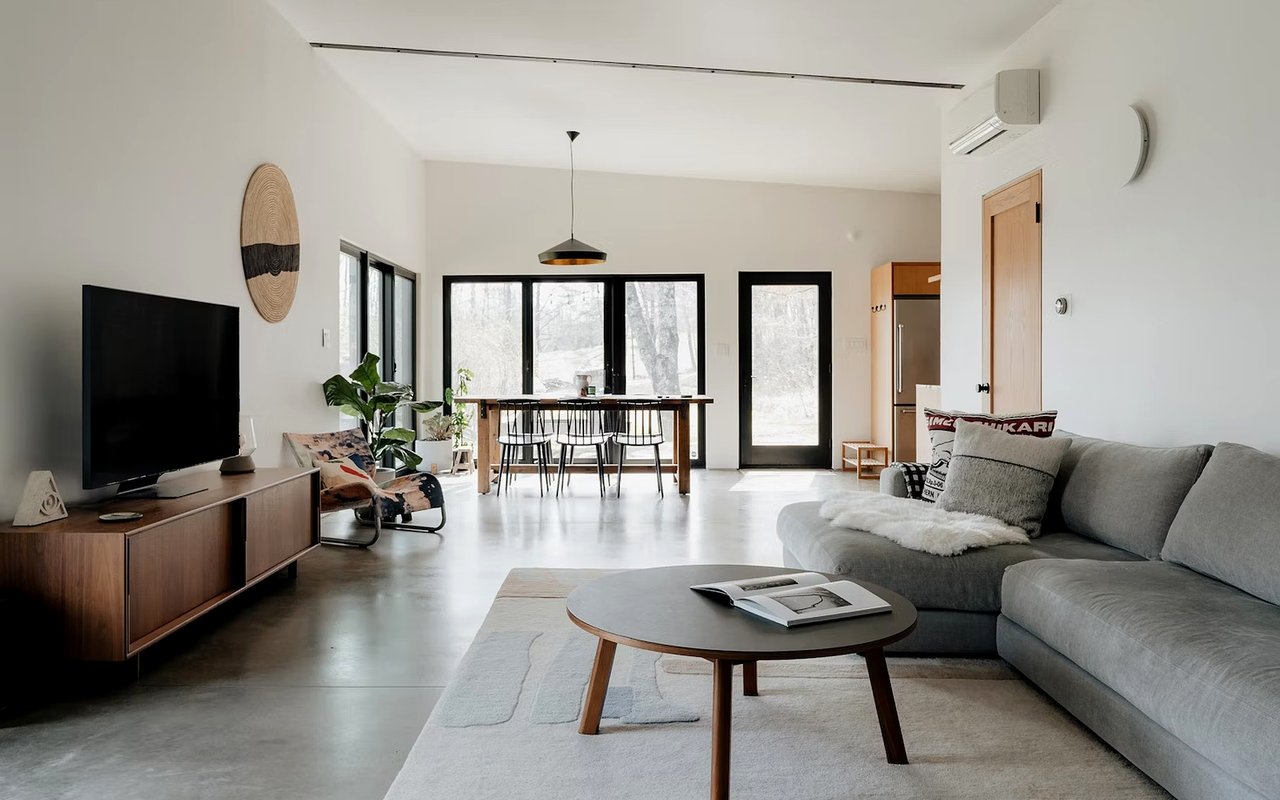
Darsh Parikh | July 3, 2026
Your Roadmap to Finding the Right Home in One of Austin's Most Sought-After Neighborhoods.

Darsh Parikh | July 3, 2026
What Every Buyer and Seller in Austin Should Know Before the Counteroffer Arrives.
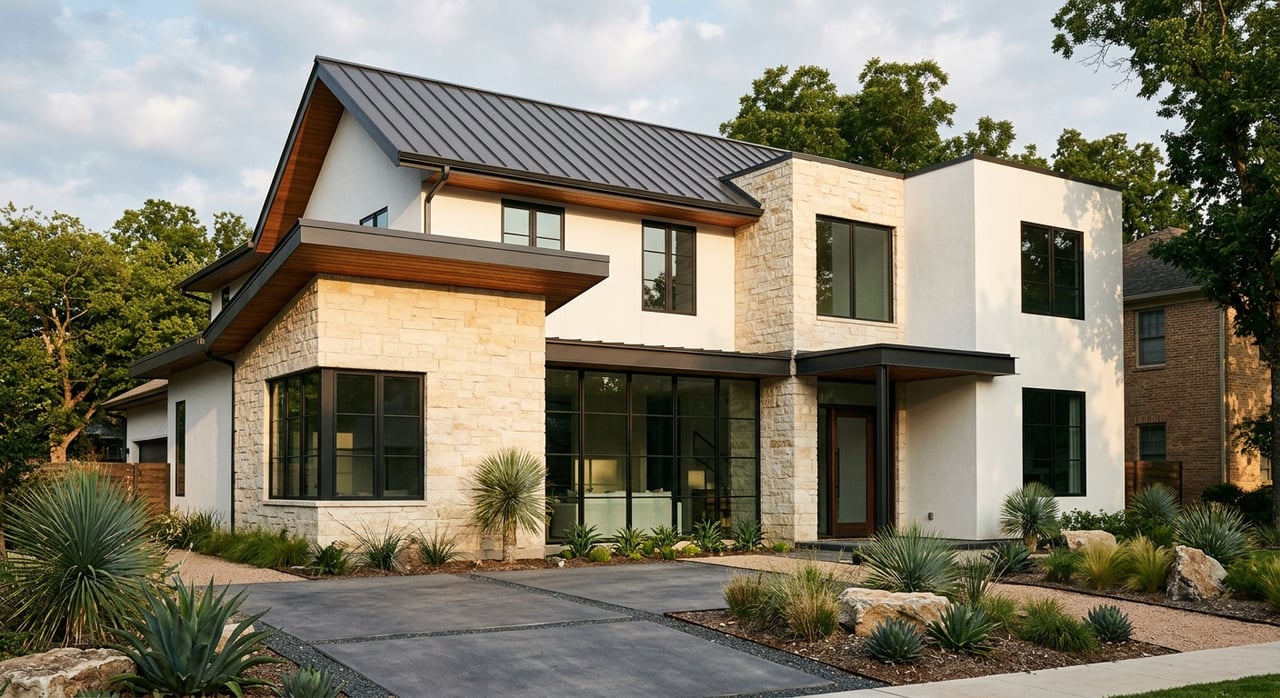
July 2, 2026
Looking for a modern home in East Austin can feel exciting and a little overwhelming at the same time.
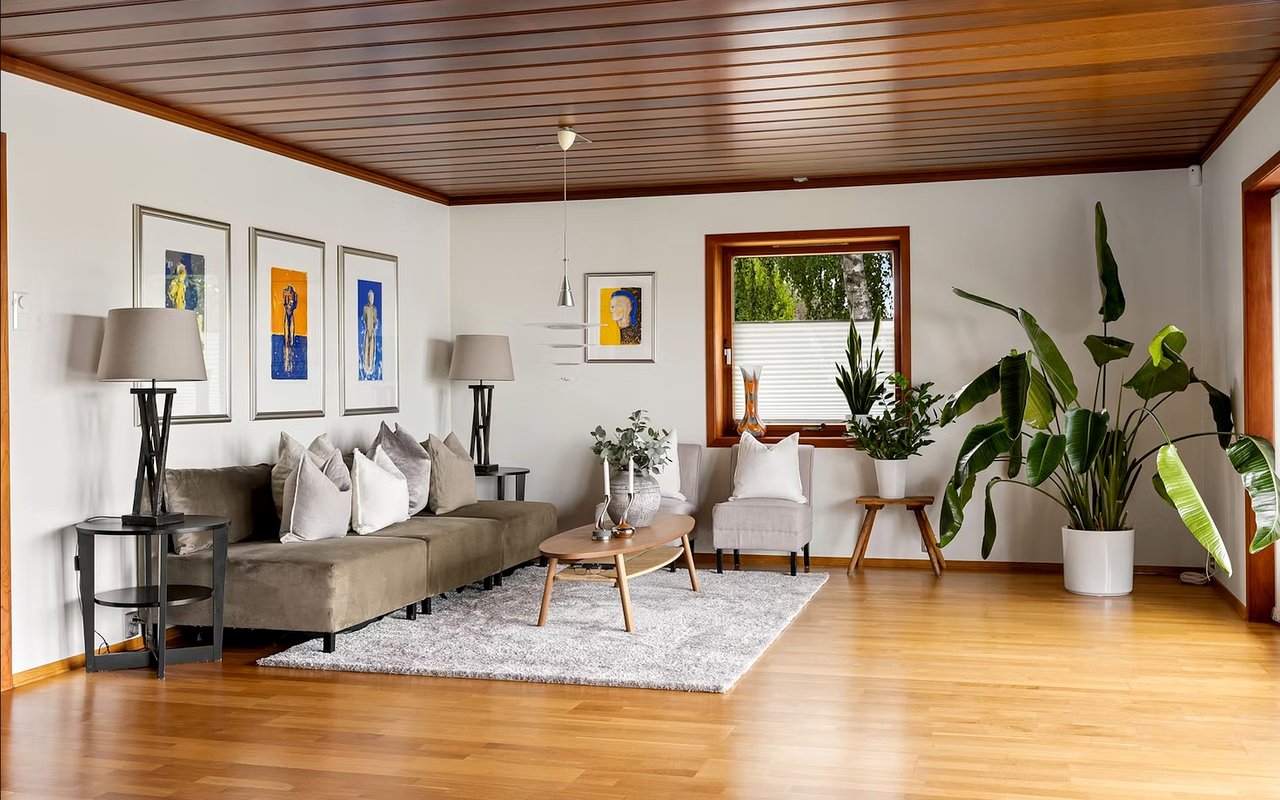
Darsh Parikh | June 26, 2026
Your Room-by-Room Roadmap to Impressing Every Buyer.
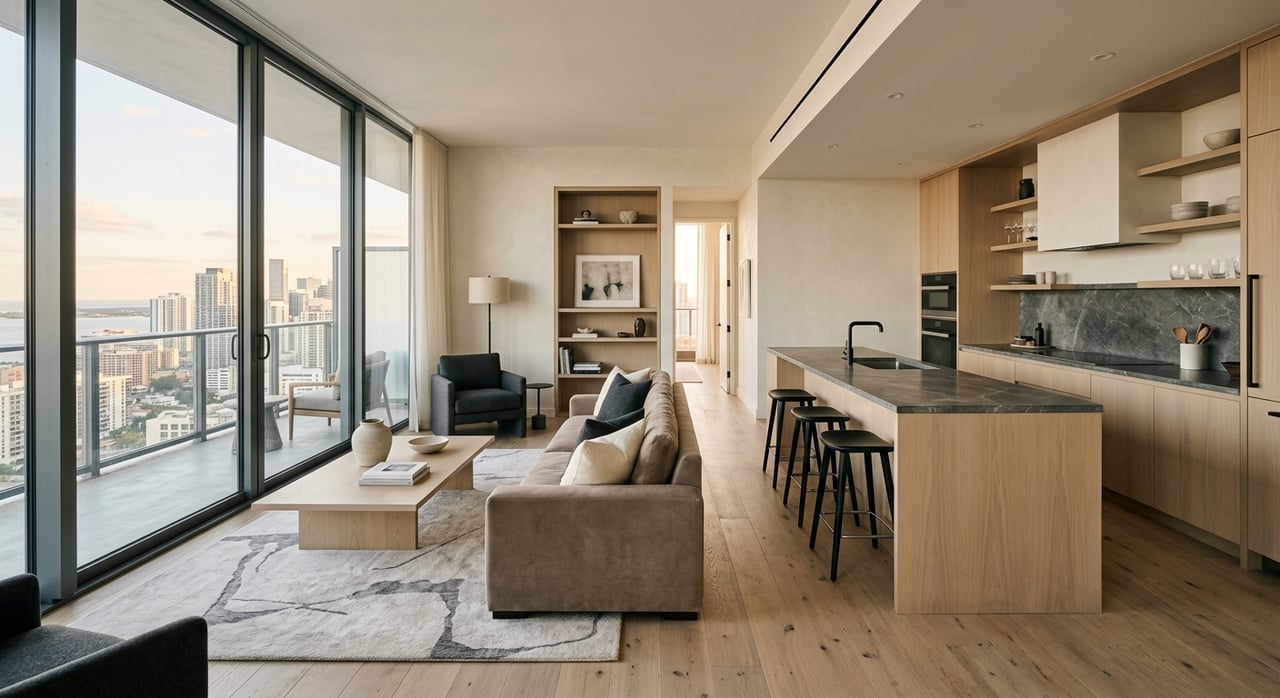
June 25, 2026
If you have been waiting for Downtown Austin to feel a little less frantic, this may be your moment.
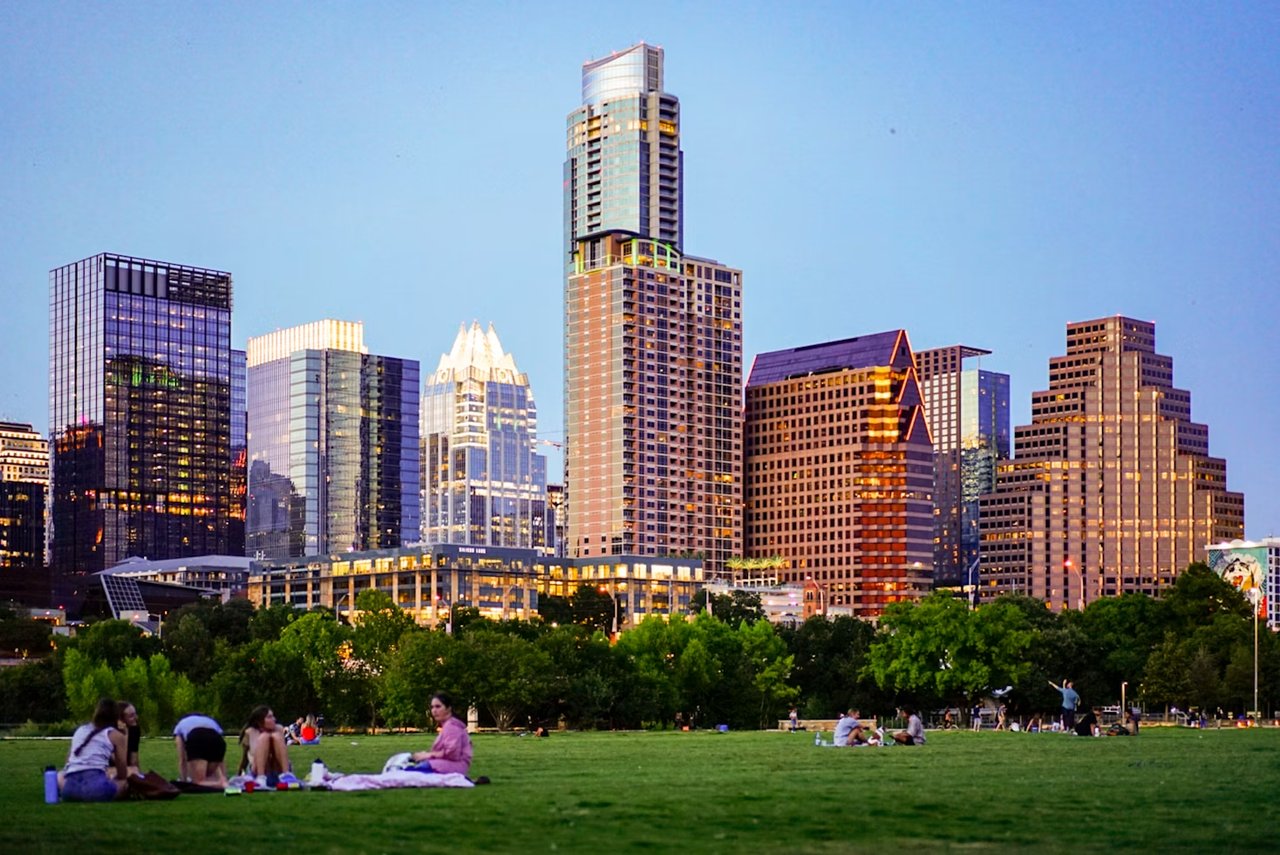
Darsh Parikh | June 24, 2026
Everything You Need to Know About the Zilker Neighborhood in Austin, TX.
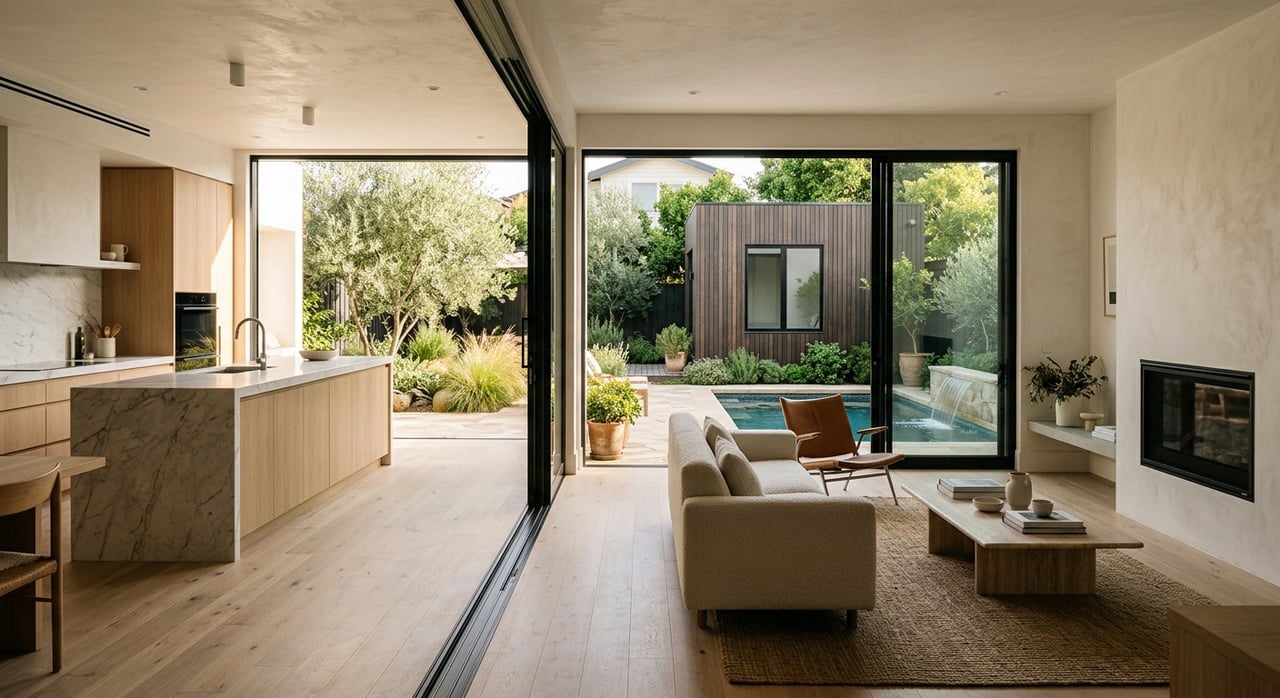
June 18, 2026
Are Central Austin homes getting warmer, smarter, and more tailored?
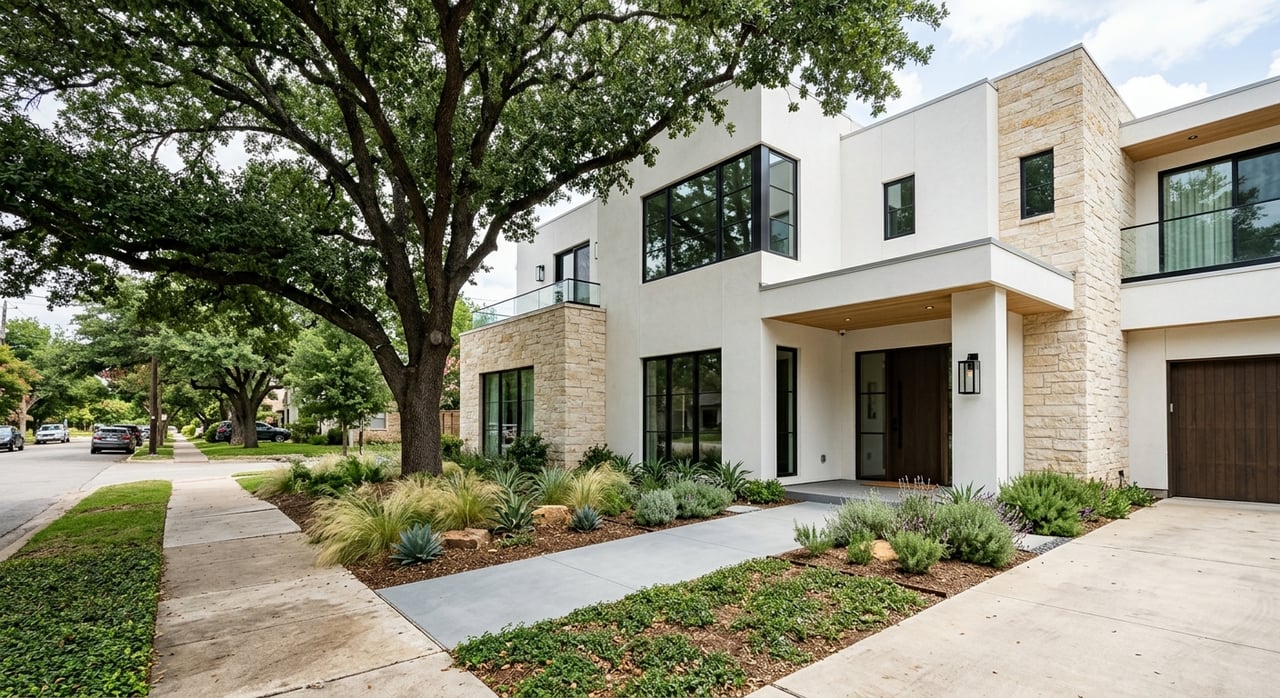
June 11, 2026
If you are torn between Central Austin and the suburbs, you are really deciding how you want your days to feel.
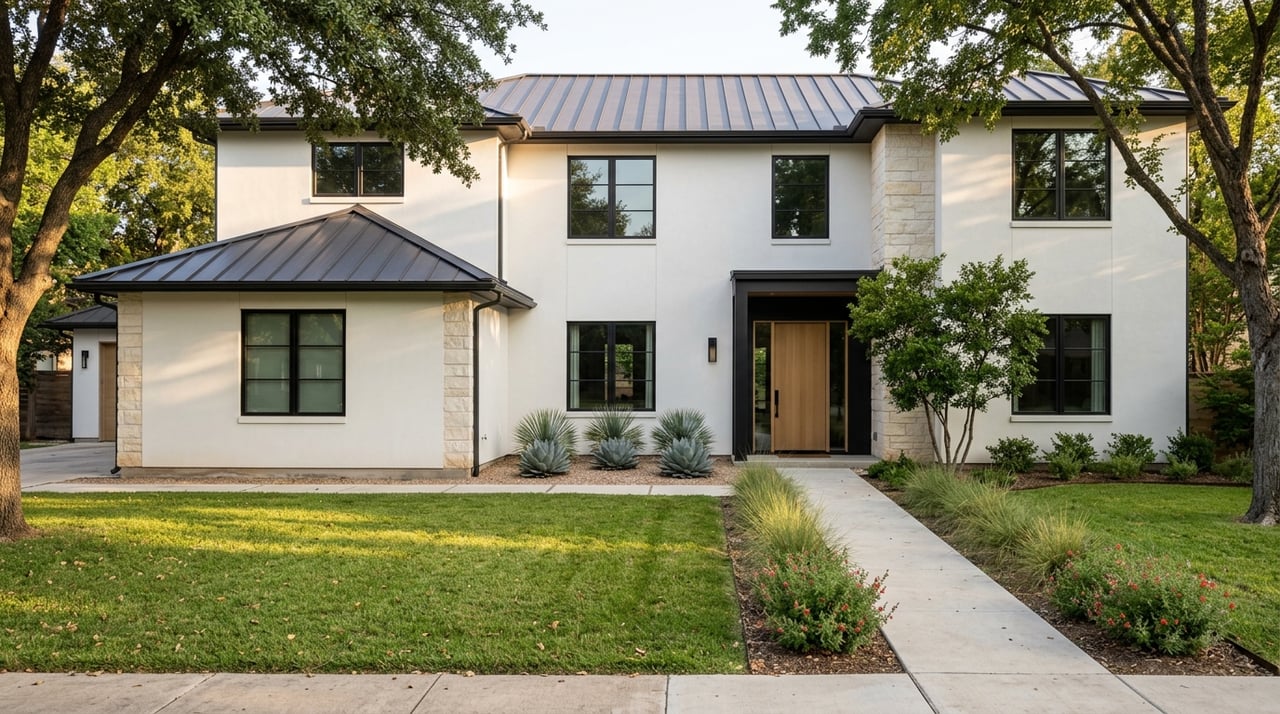
June 4, 2026
Trying to choose between Tarrytown and West Lake Hills can feel like picking between two very different versions of Austin luxury.
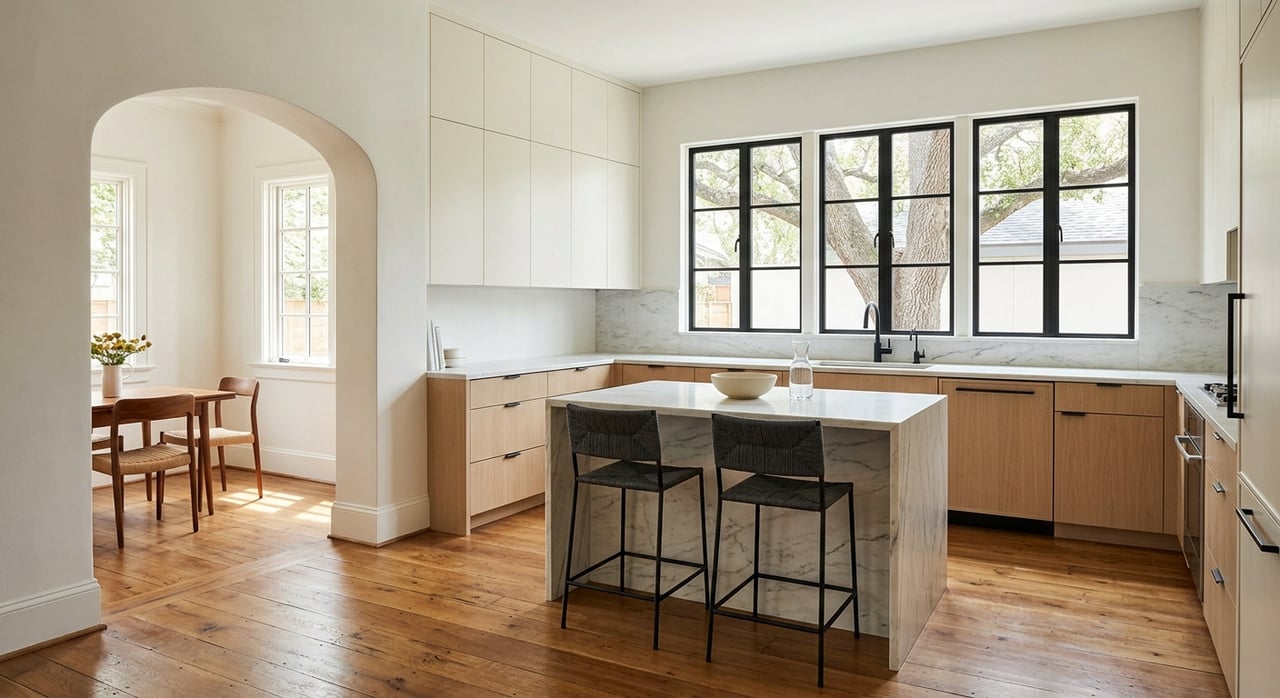
May 28, 2026
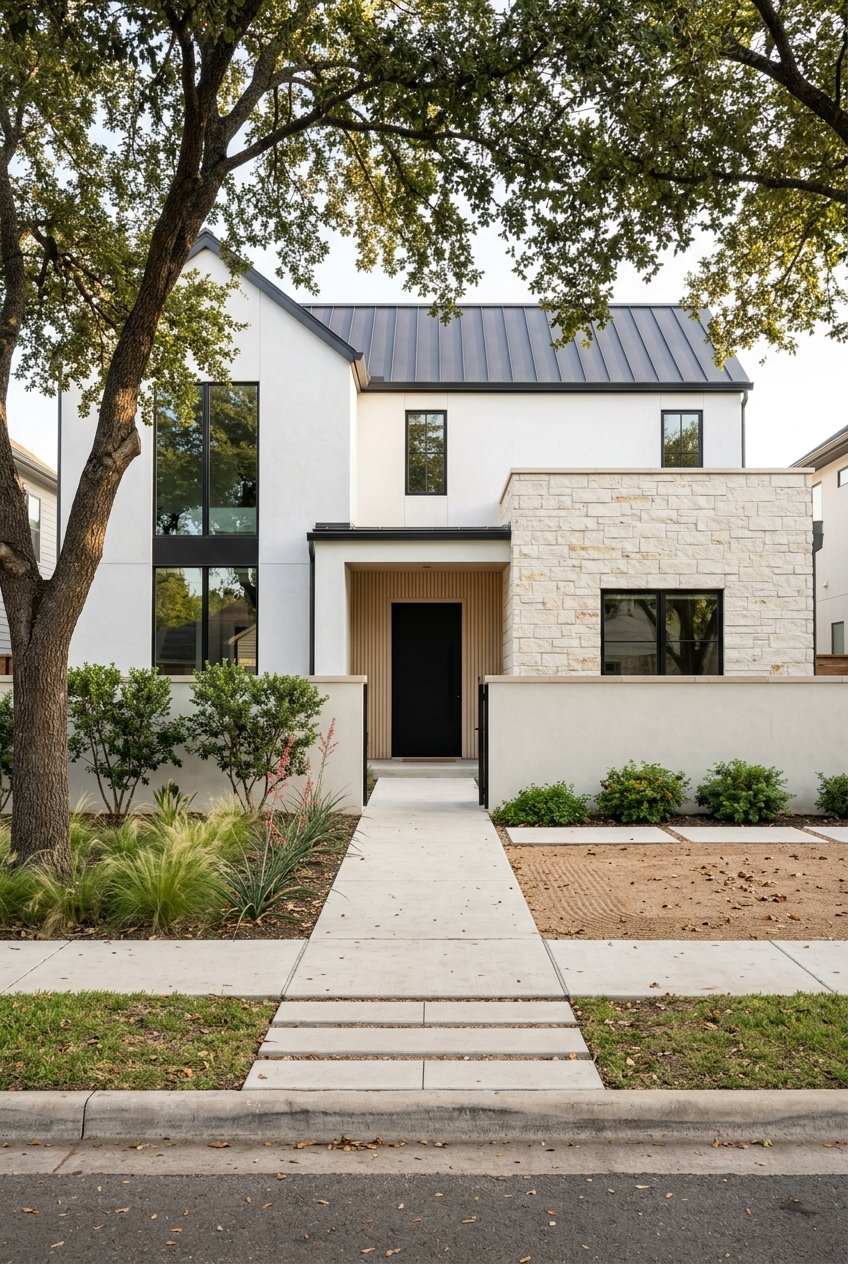
If you own an older home in Old West Austin, you are not just preparing a property for sale.
May 21, 2026
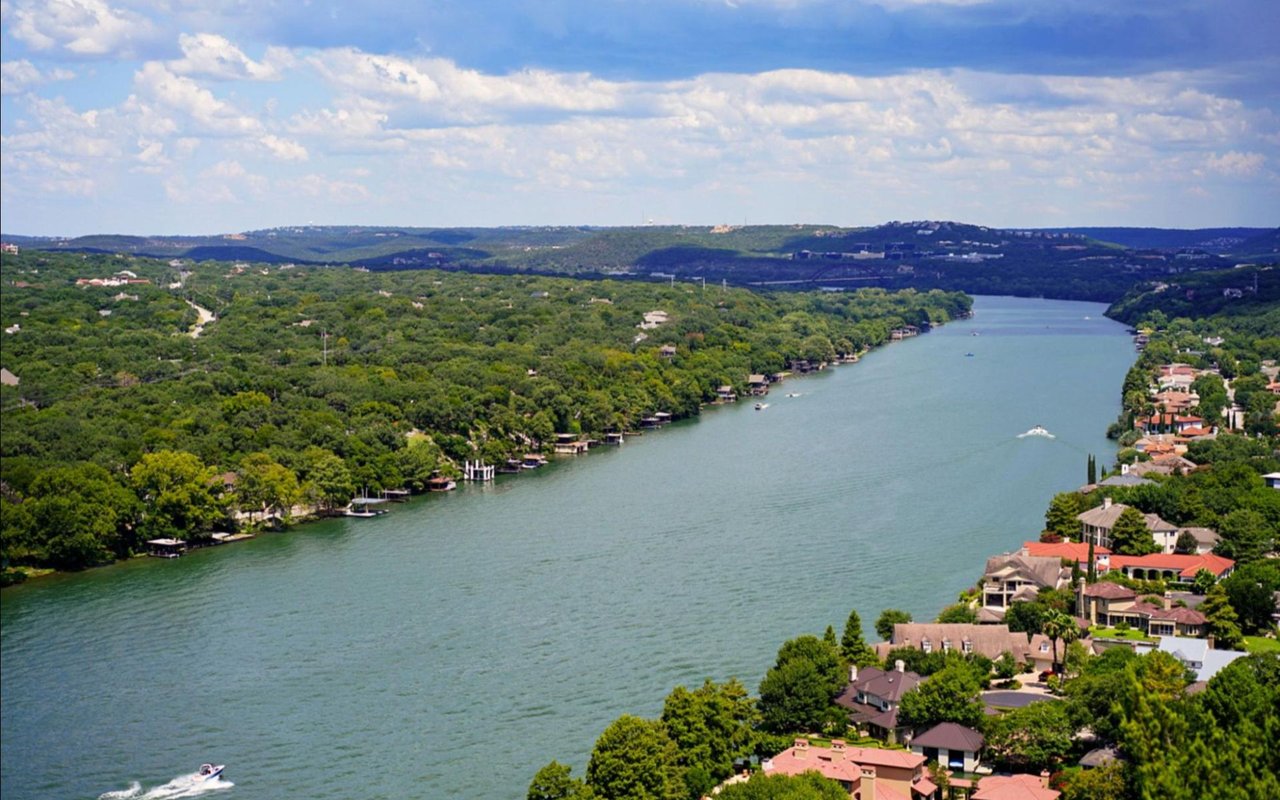
Wondering whether Old West Austin lives up to the hype? For many buyers, it does, but not for the reasons people often expect.
Darsh Parikh | May 2, 2026
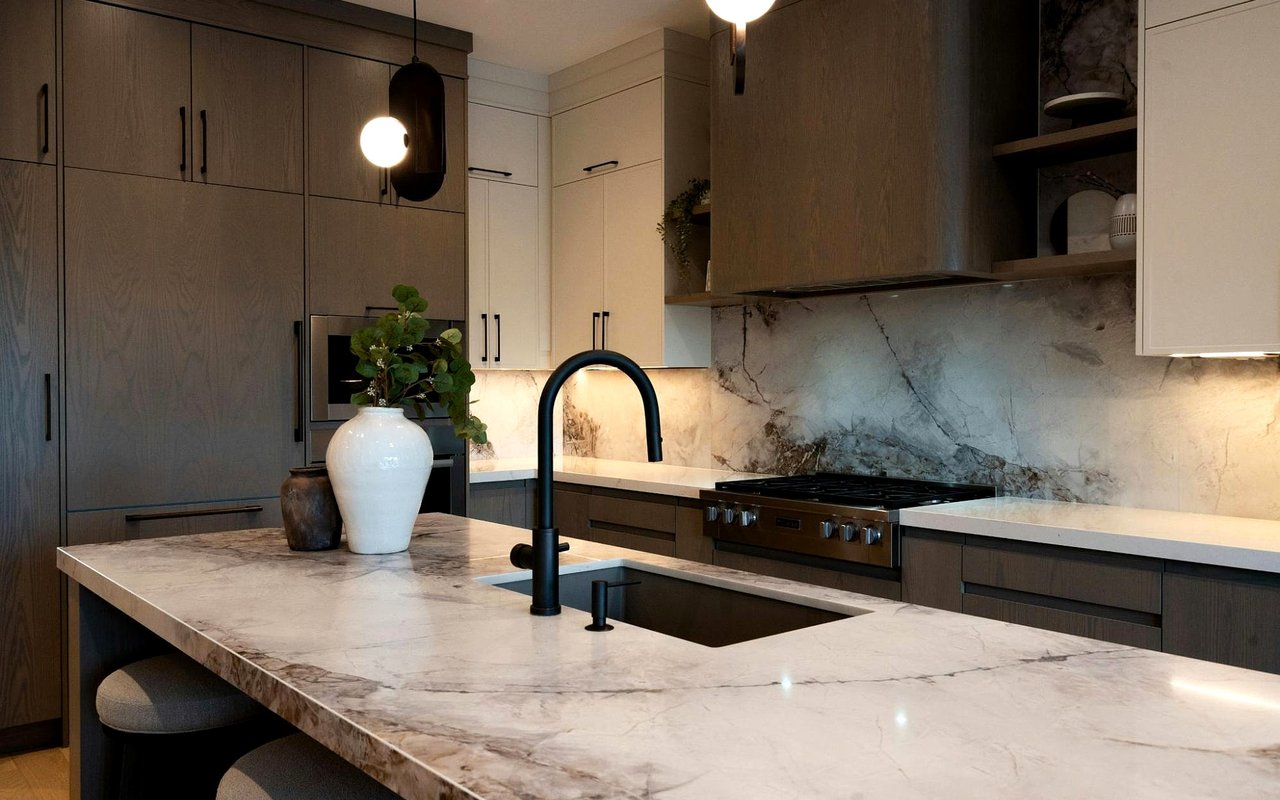
What Makes Tarrytown One of Austin's Most Sought-After Neighborhoods.
Darsh Parikh | May 2, 2026
Ultimate Home Buying Strategy for One of Austin's Most Sought-After Neighborhoods.
May 1, 2026
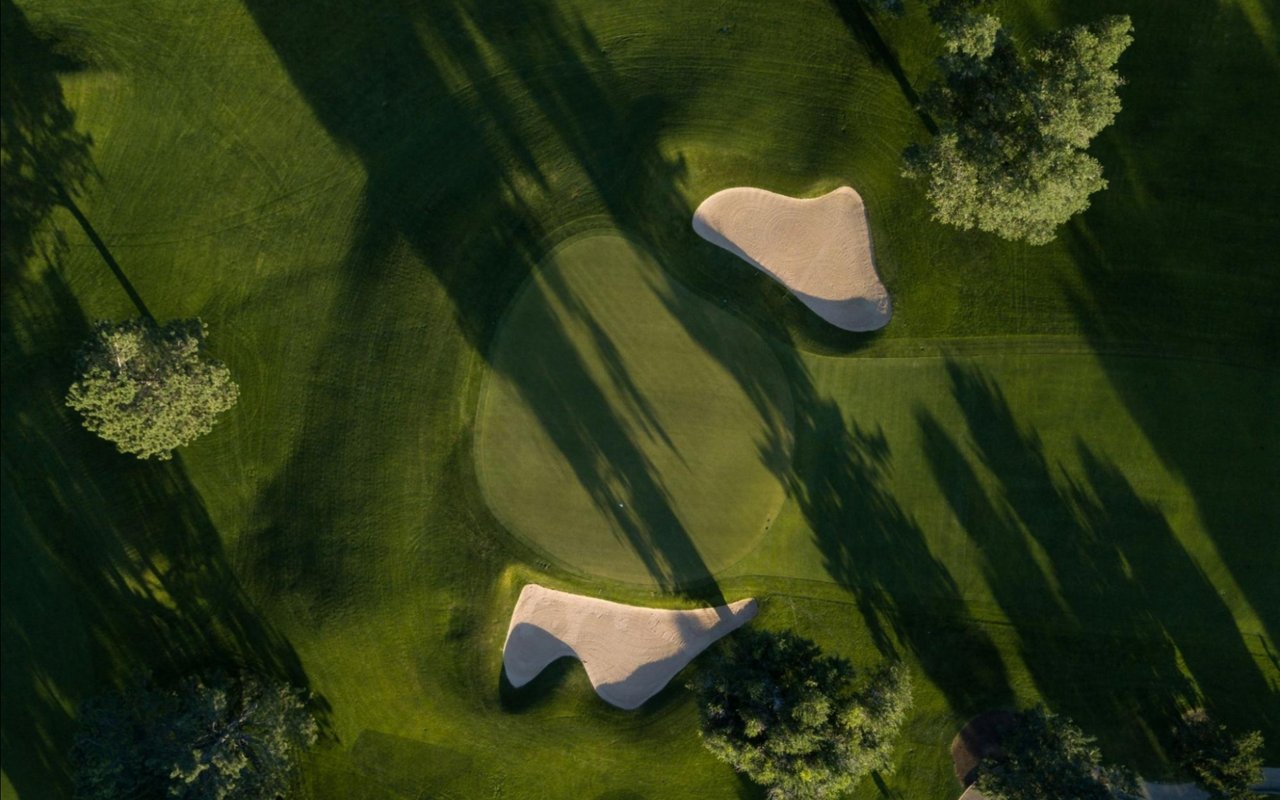
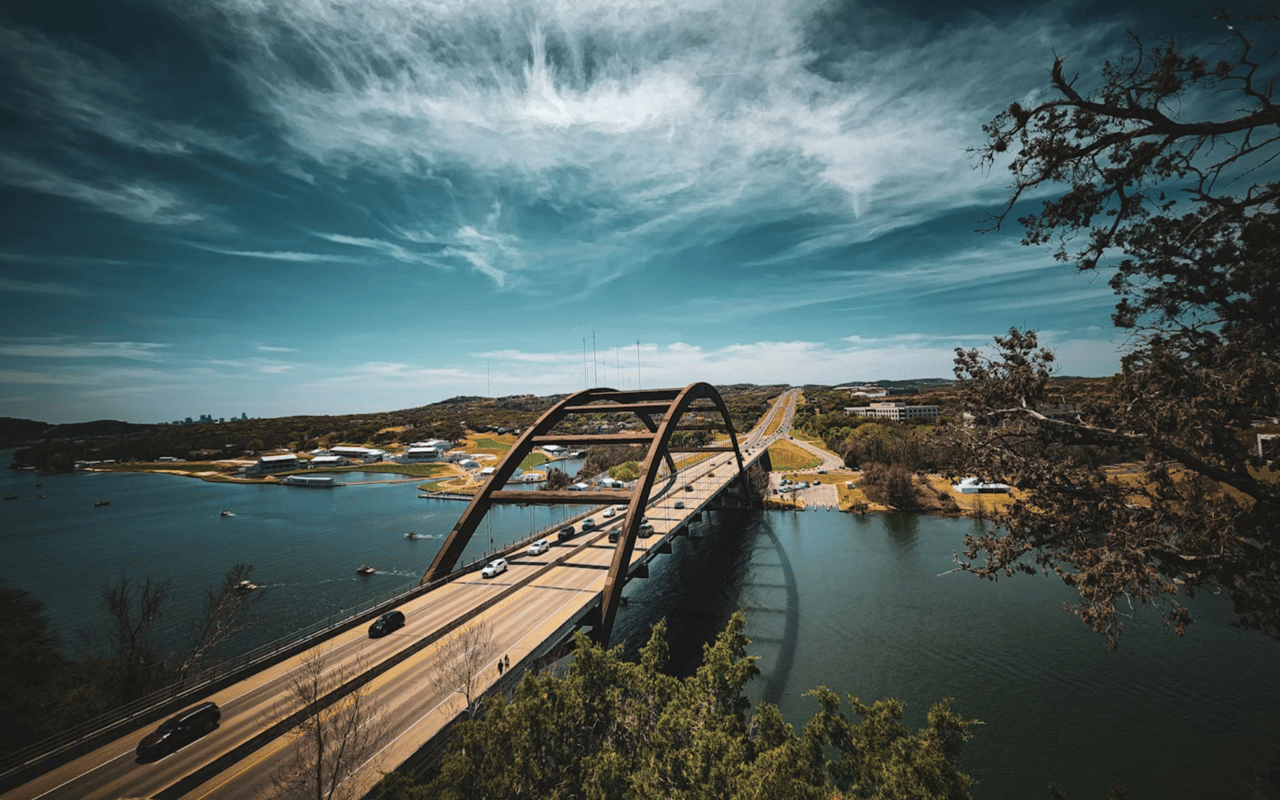
A Golfer's Guide to the Best Courses Near Barton Hills, TX.
Darsh Parikh | April 30, 2026
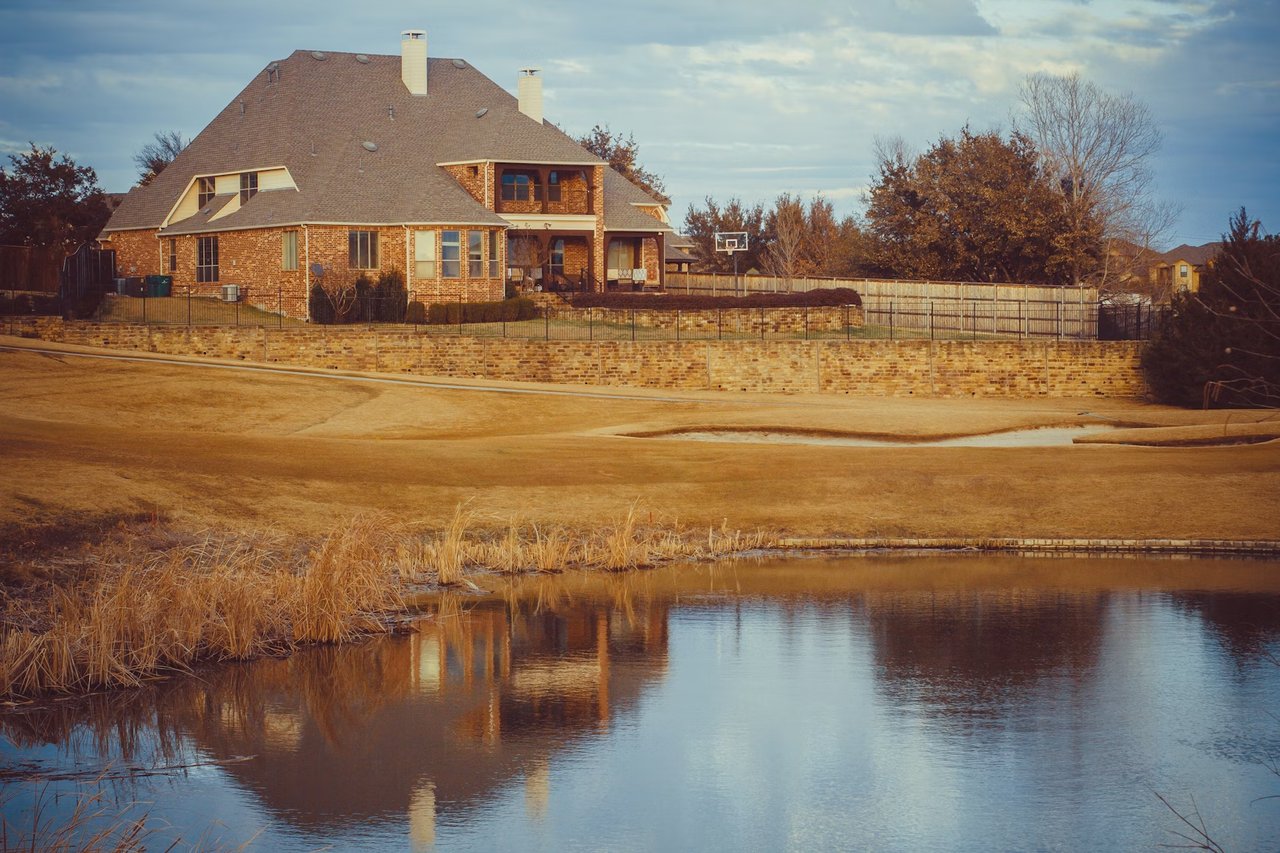
These Are the Defining Qualities of the Best Agents in Tarrytown.
March 23, 2026
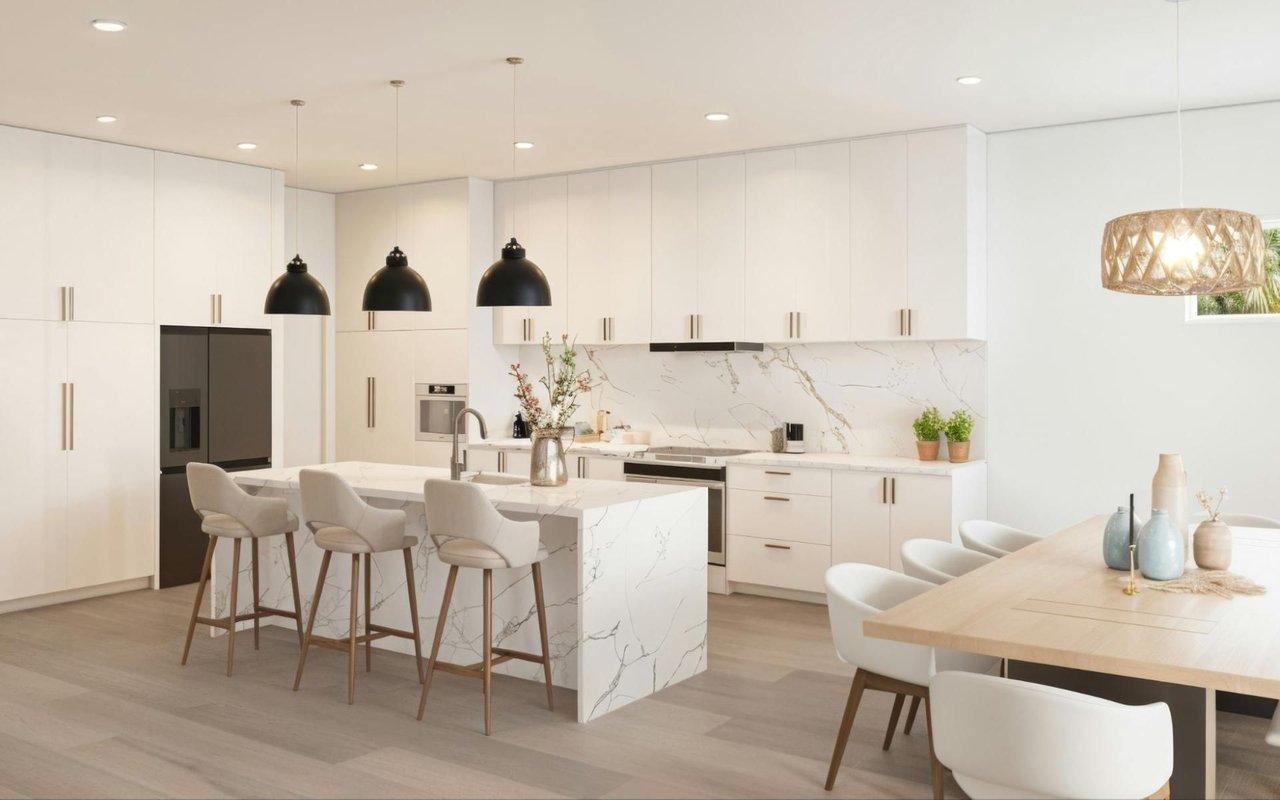
The Case for Luxury Neighborhoods in Austin: Barton Hills, Zilker, and Tarrytown.
March 17, 2026
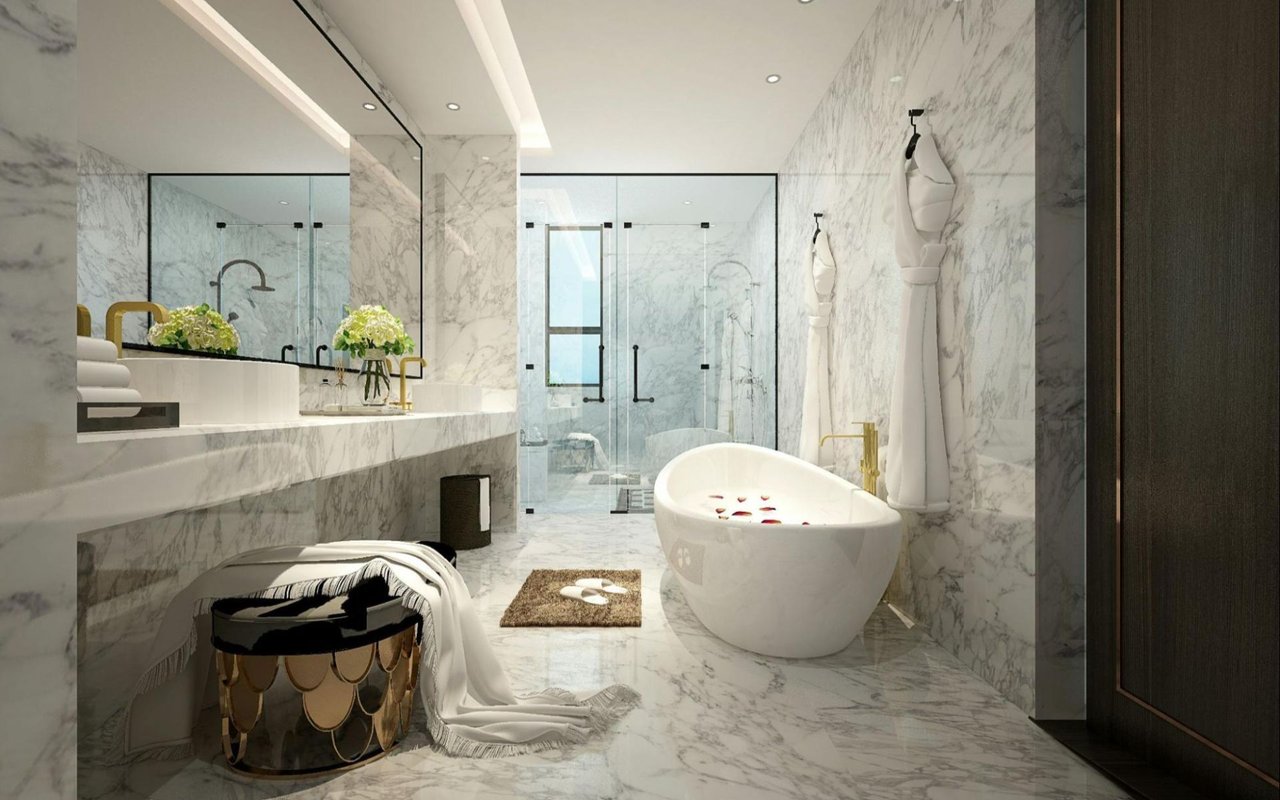
Home Staging in Barton Hills, Zilker, and Tarrytown: What Luxury Sellers Need to Know.
March 10, 2026
What Luxury Home Features Drive Buyer Decisions in Barton Hills, Zilker, and Tarrytown.
Darsh Parikh | March 3, 2026
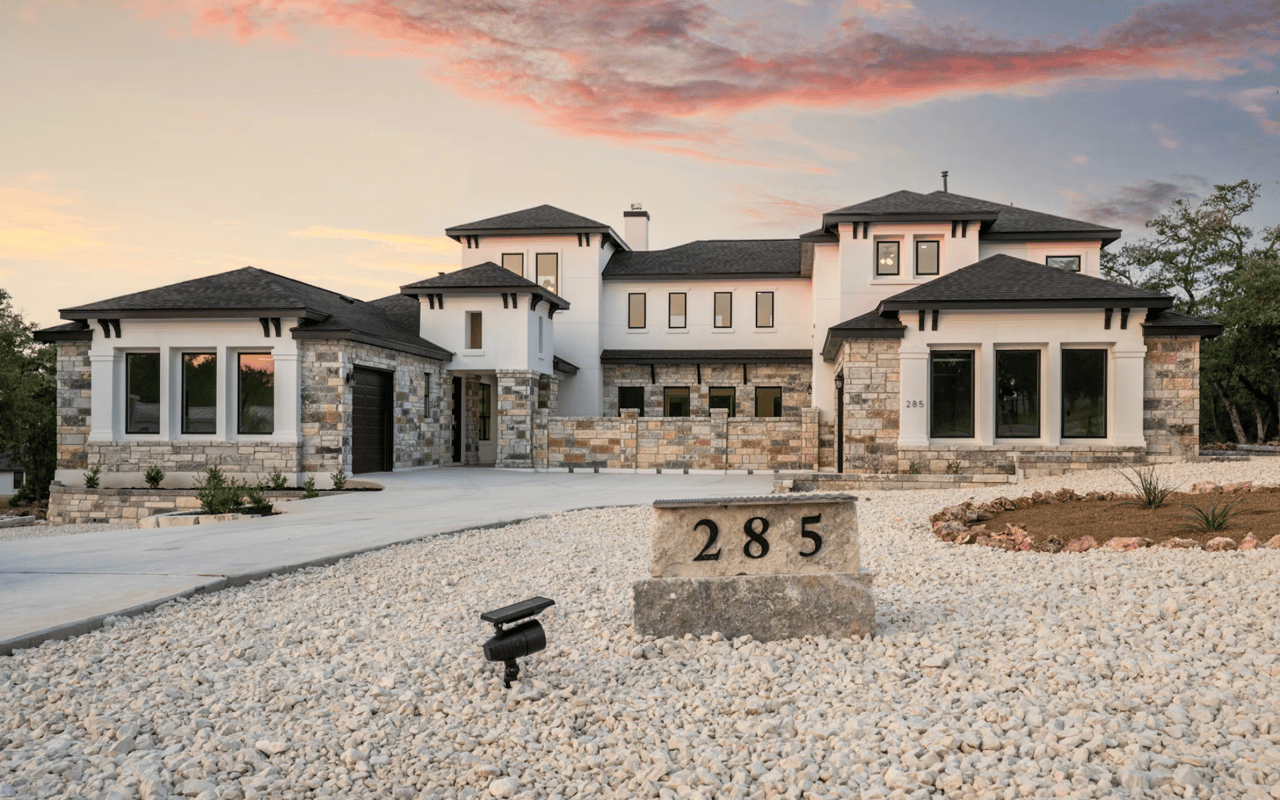
How to Find Luxury Homes in Barton Hills, Zilker, and Tarrytown the Right Way.
Darsh Parikh | February 11, 2026
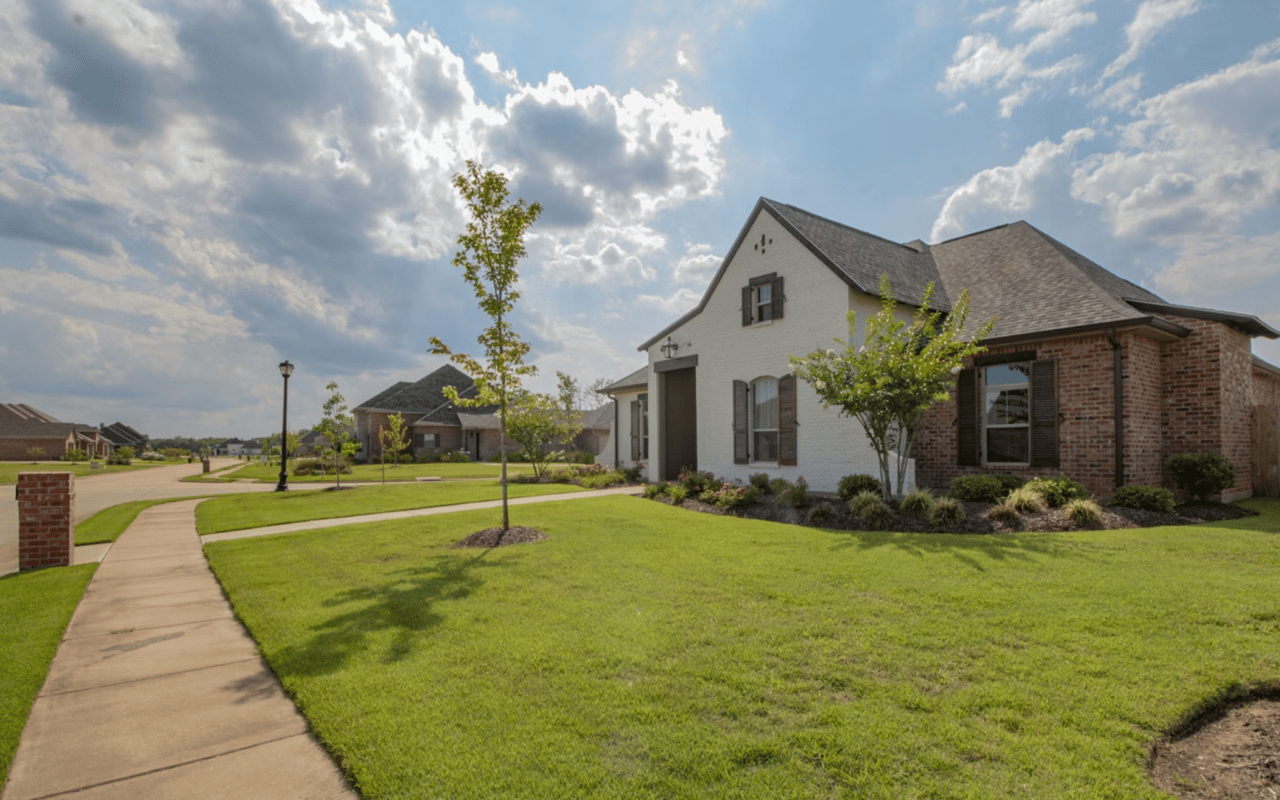
From Historic Charm to Modern Elegance: Local Architecture in Barton Hills, Zilker, and Tarrytown.

Darsh Parikh | February 11, 2026
A Guide to Investing in Real Estate in Barton Hills, Zilker, and Tarrytown.

Darsh Parikh | February 11, 2026
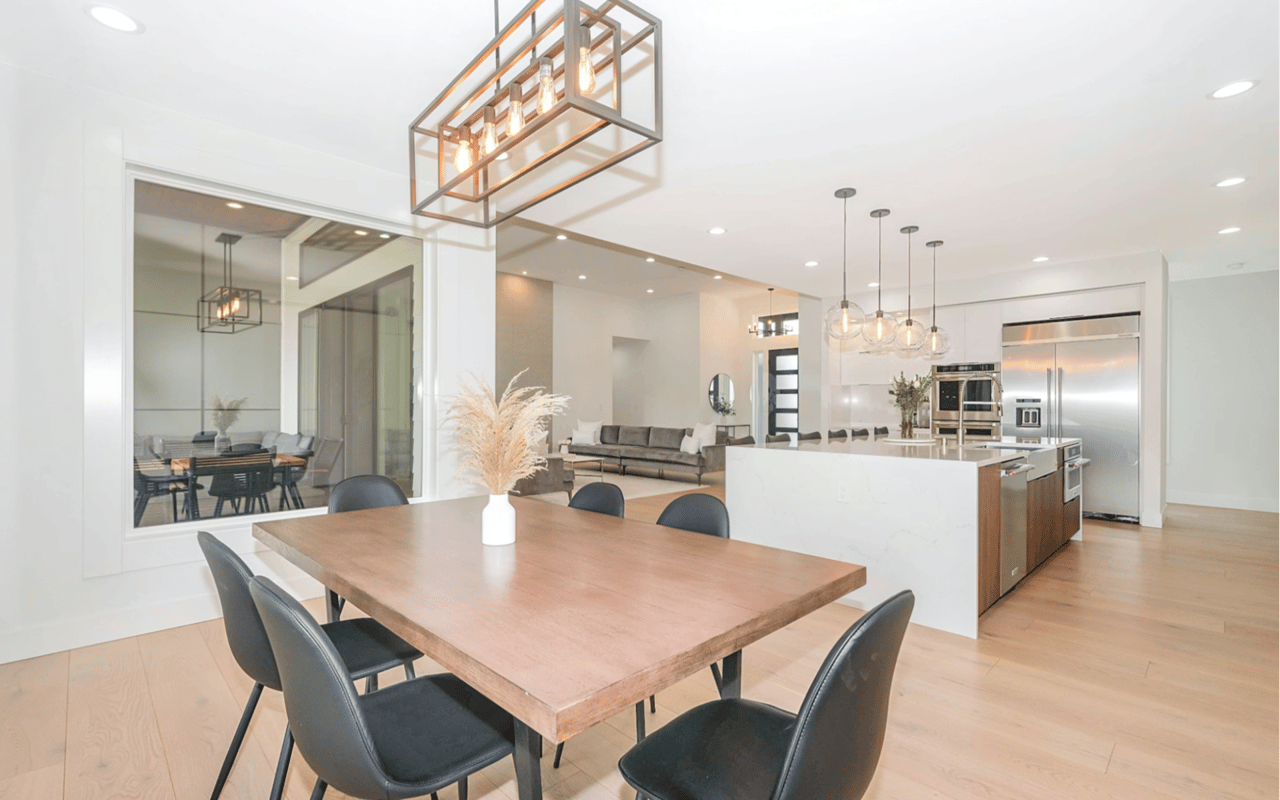
The Importance of Real Estate Photography in Austin’s Most Sought-After Neighborhoods.
Darsh Parikh | February 11, 2026
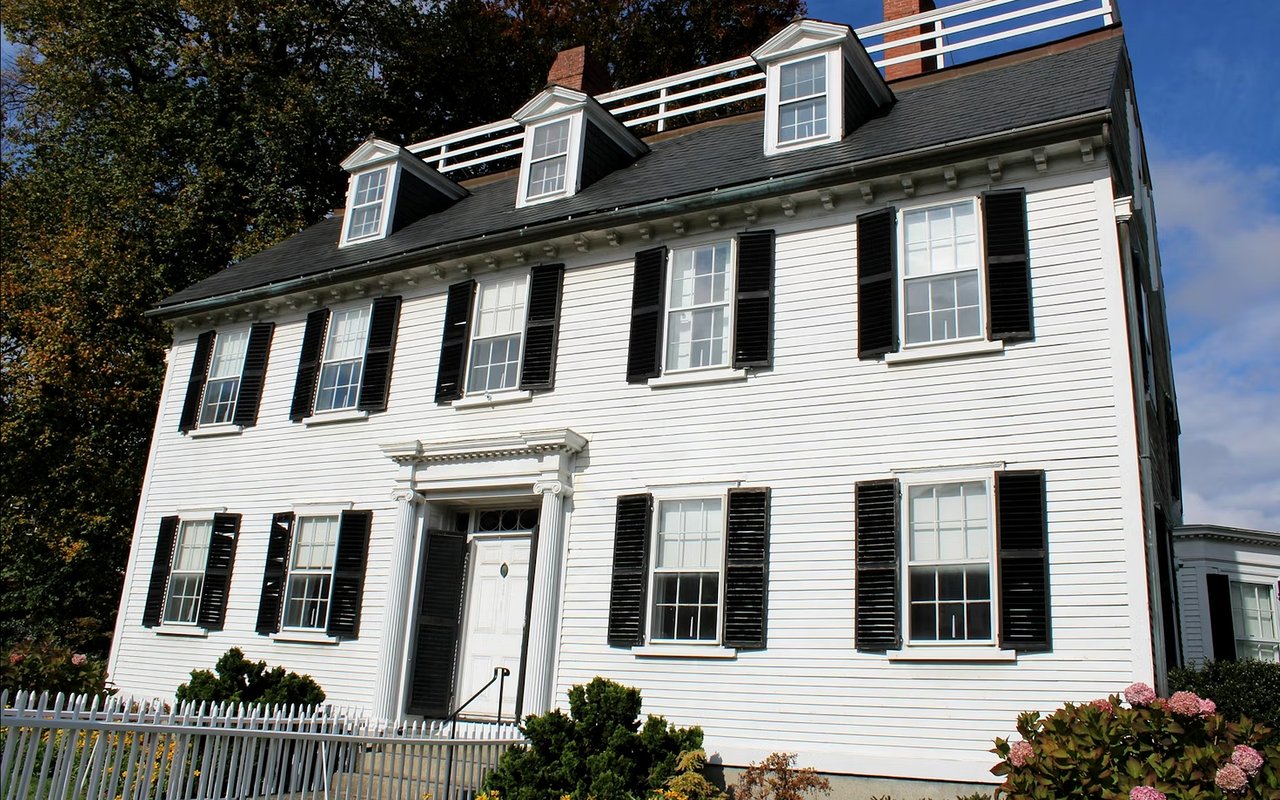
A Strategic Guide to Luxury Home Upgrades in Barton Hills, Zilker, and Tarrytown.
Darsh Parikh | January 30, 2026
The Best Homes Match an Aesthetic to Their Surroundings.

Darsh Parikh | January 30, 2026
Hyper-Local Pricing Strategy Is Based on These Factors.
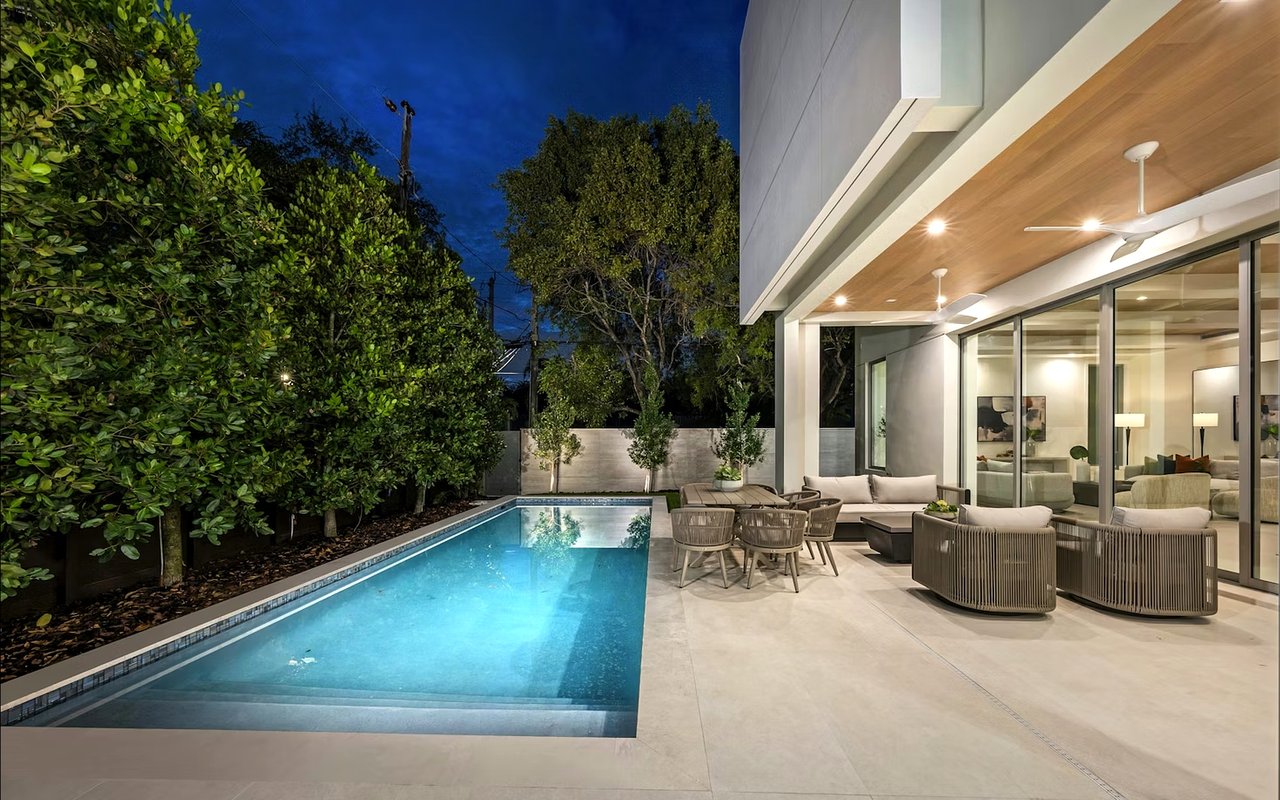
Darsh Parikh | January 30, 2026
The Best Amenities for High-End Homes in Greater Austin.
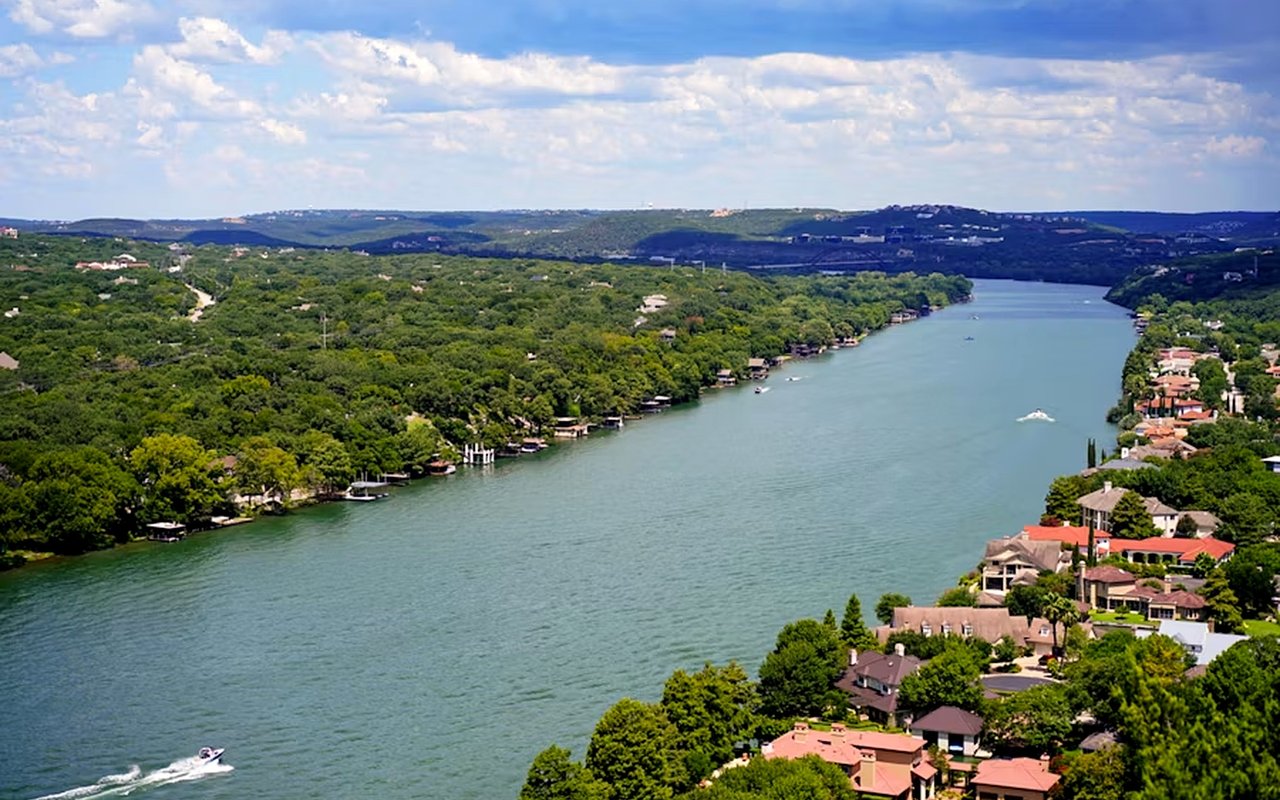
Darsh Parikh | January 30, 2026
Here’s How We Help Clients Decide Between These Areas.
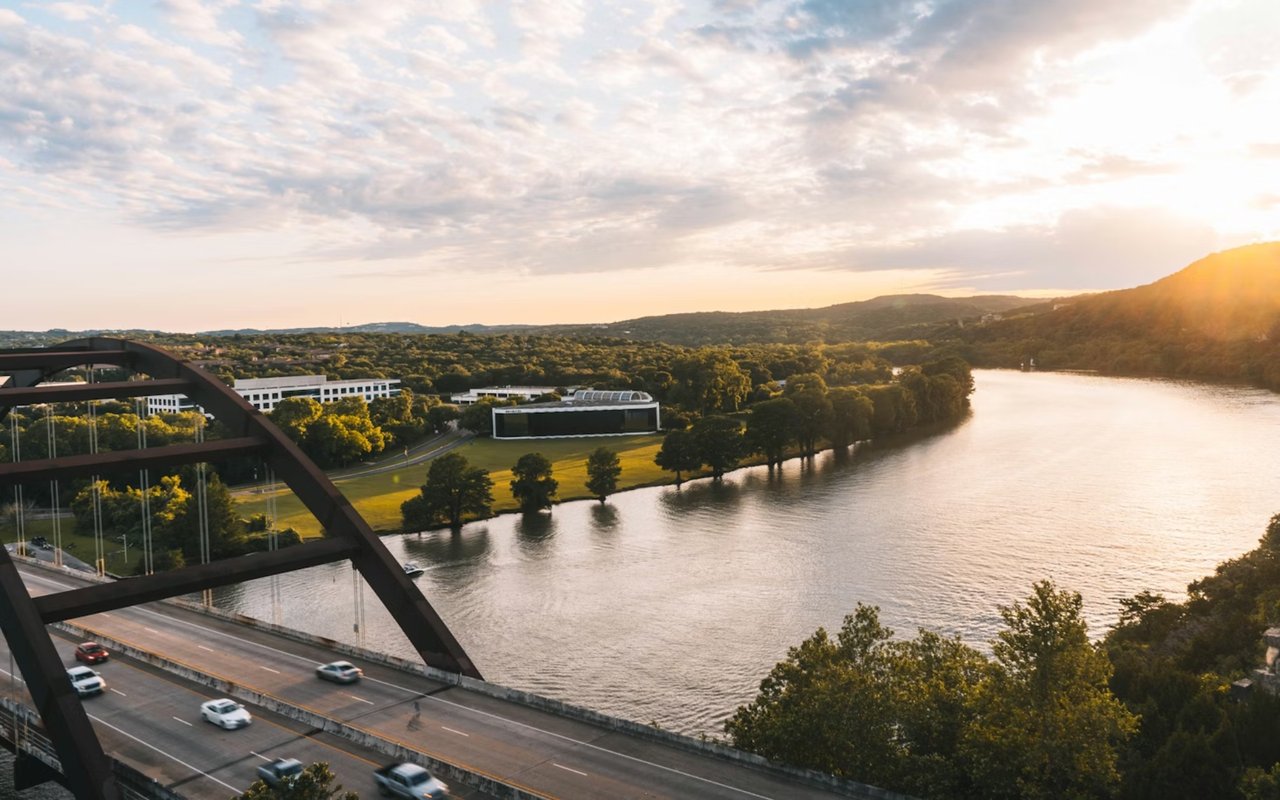
Darsh Parikh | January 14, 2026
Experience Unmatched Elegance in the City’s Top Neighborhoods.
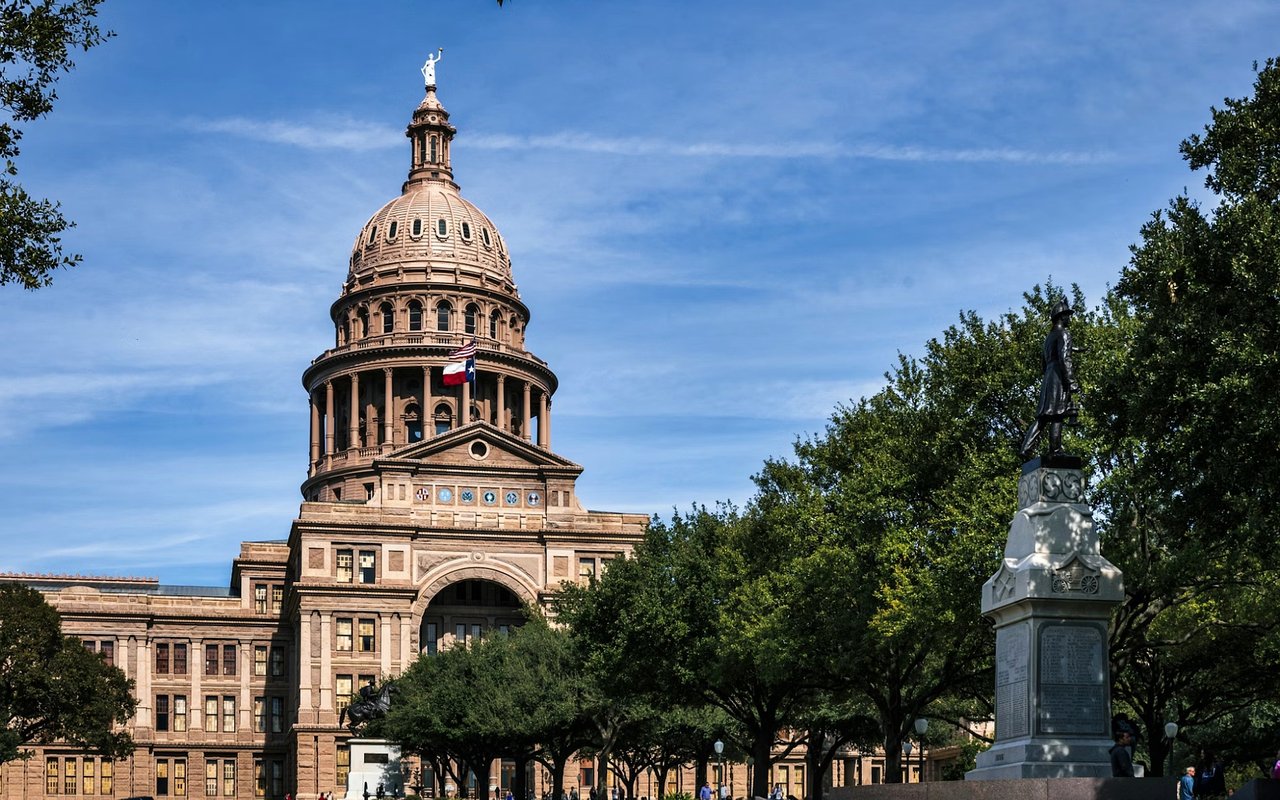
December 30, 2025
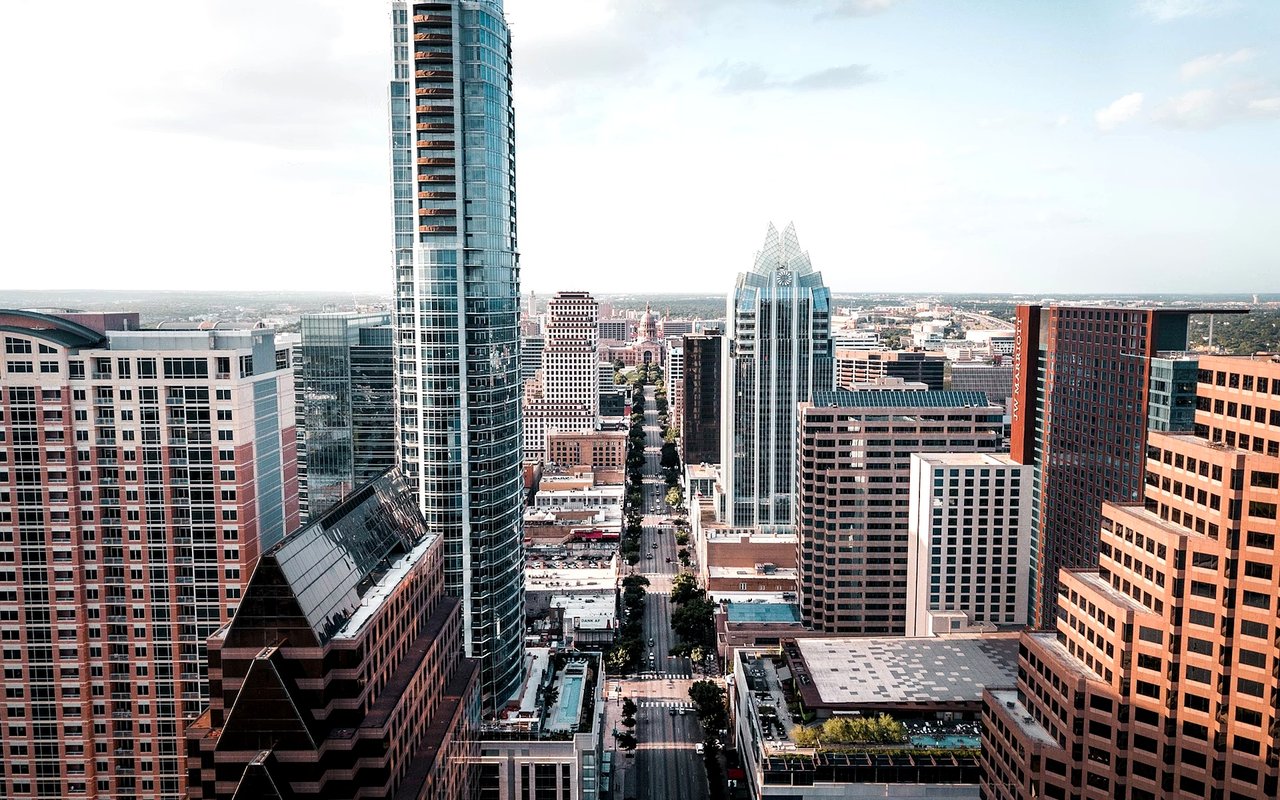
What Makes Austin a Place People Love to Visit and Call Home.
Darsh Parikh | December 30, 2025
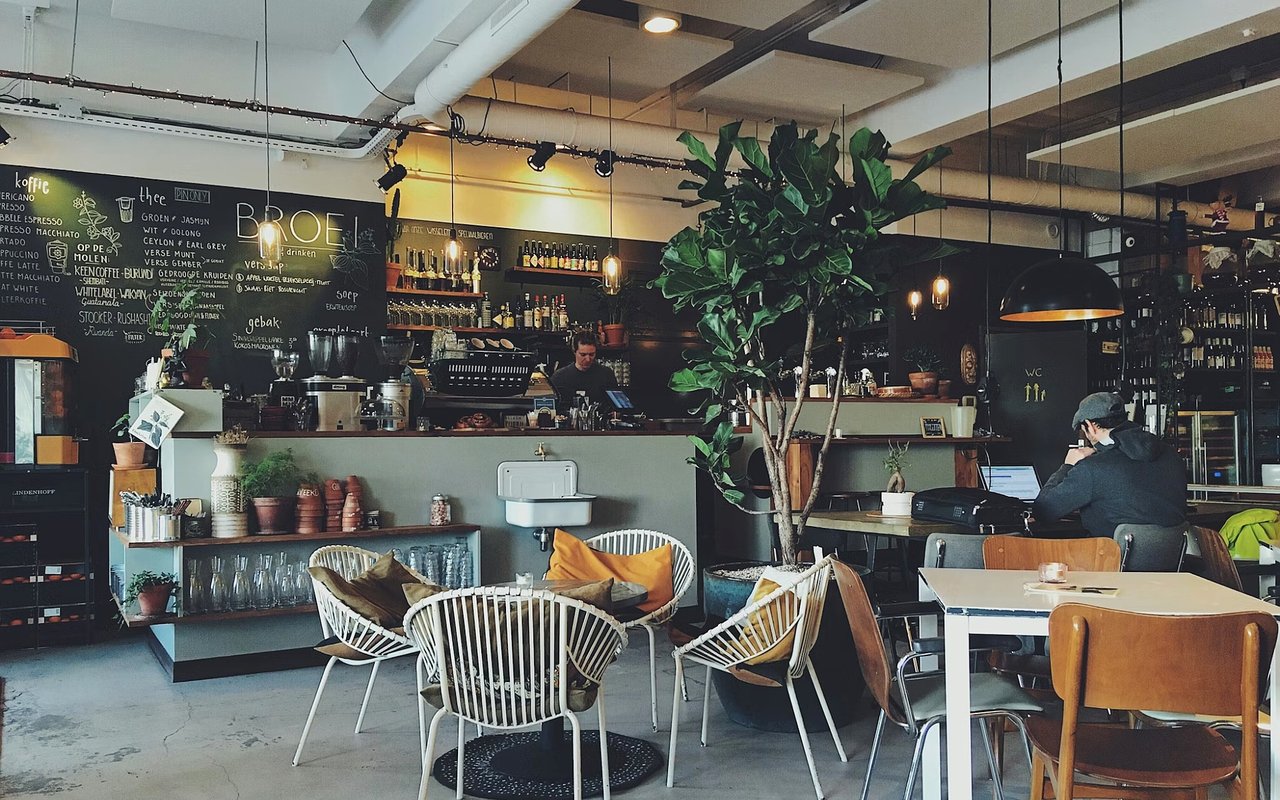
An Overview of Well-Known Dining Spots that Reflect the Range of Food in Austin, TX.
Darsh Parikh | December 30, 2025
Helpful Strategies for a Smoother Transition.
Darsh Parikh | December 30, 2025
How Austin’s Craft Beer Scene Reflects the City’s Growth and Community Appeal.
Darsh Parikh | December 30, 2025
How Employment Growth, Interest Rates, and Local Development Shape Housing Demand.
Darsh Parikh | November 19, 2025
Why more buyers are turning to newly built homes in the Austin real estate market.

Darsh Parikh | November 19, 2025
How timing the market can shape your real estate strategy in Austin and beyond.
Darsh Parikh | November 19, 2025
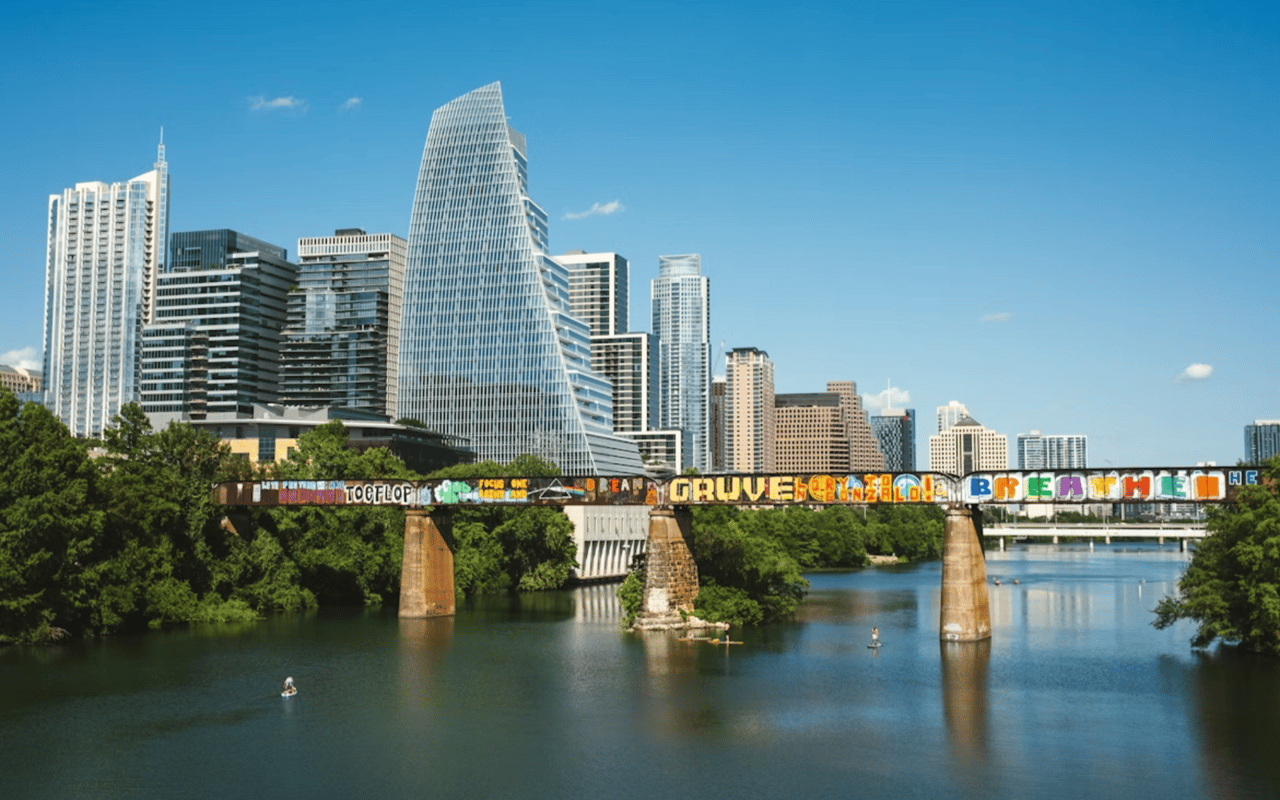
Uncovering the unique character, culture, and quirks of Texas’s capital city.
Darsh Parikh | November 19, 2025
Why a pre-listing inspection is a smart move in today’s real estate market.
Darsh Parikh | November 10, 2025
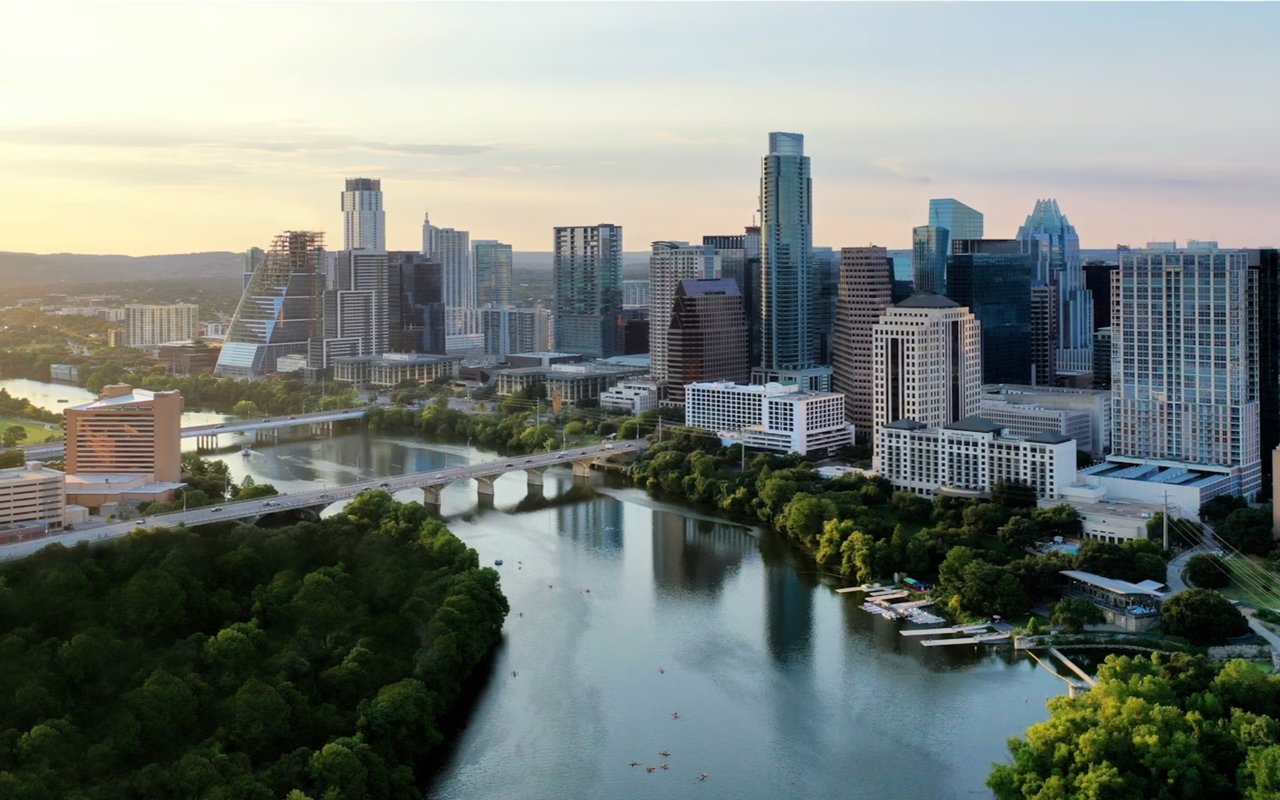
Exploring Austin's end-of-year real estate market and what lies ahead in 2026.

Darsh Parikh | October 23, 2025
Understanding contracts, disclosures, and protections for a smooth real estate transaction.
Darsh Parikh | October 23, 2025
Where to go and what to do for an immersive cultural experience in Austin, Texas.
Darsh Parikh | October 23, 2025
How a property’s age impacts its desirability, maintenance, and resale price.
Darsh Parikh | October 23, 2025
Everything professionals and businesses need to know about moving to the Texas capital.
Darsh Parikh | October 23, 2025
Expert insights for navigating high-end real estate with confidence and success.
Darsh Parikh | September 17, 2025
Enhancing Interior Appeal for Maximum Return in Austin's Market.
Darsh Parikh | September 17, 2025
Strategies to Attract Remote Buyers in Austin's Evolving Market.

Darsh Parikh | September 17, 2025
Ensuring Your Austin Dream Home Is a Sound Investment.
Darsh Parikh | September 17, 2025
Reaching Global Audiences in Austin’s Exclusive Real Estate Market.
Darsh Parikh | August 27, 2025
From the city’s 19th-century origins to the rise of Silicon Hills.
Darsh Parikh | August 12, 2025
A Year-Round Celebration of Creativity in the Capital City.
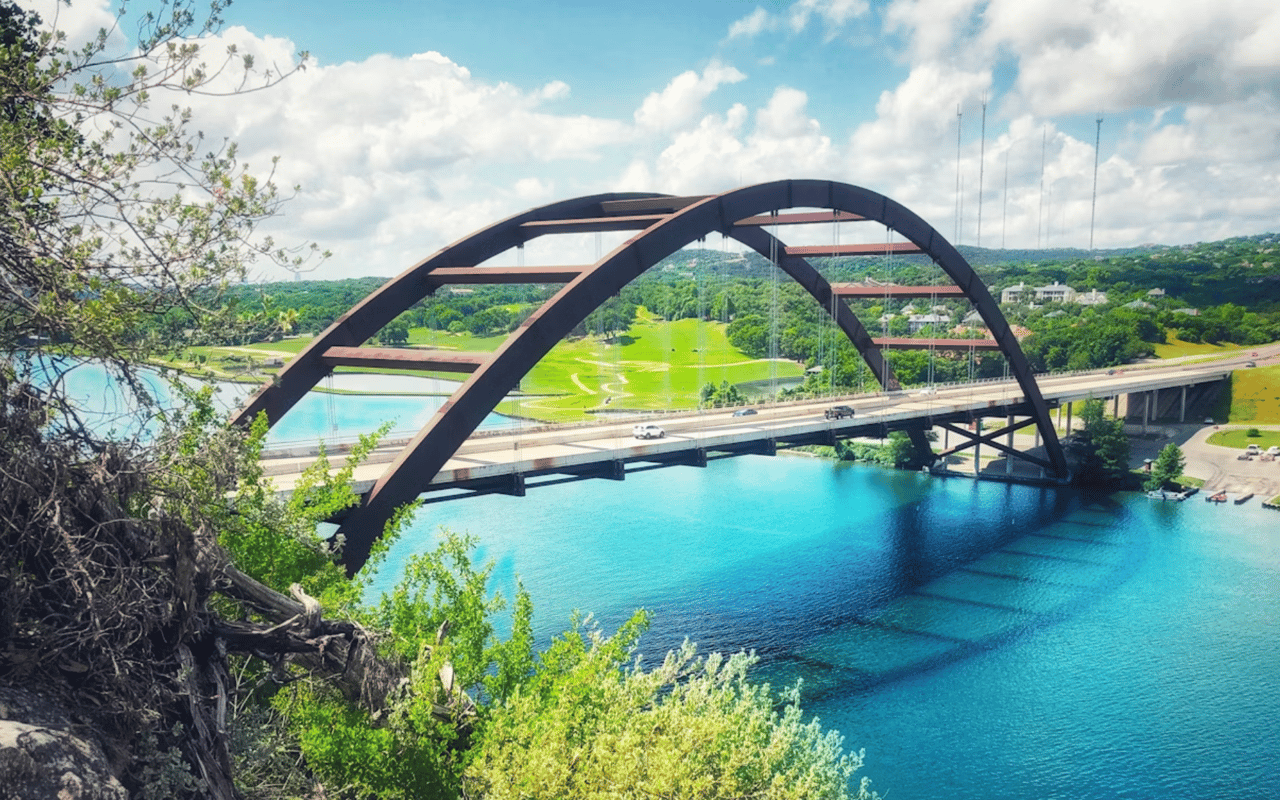
Darsh Parikh | August 12, 2025
Where to Buy Now for Strong ROI and Long-Term Growth Potential.

Darsh Parikh | August 11, 2025
A Guide to Exploring Austin’s Vibrant Wine Scene.
Darsh Parikh | August 11, 2025
What High-End Buyers Want and How to Elevate Your Home in Austin.
Darsh Parikh | August 11, 2025
Everything You Need to Know About Starting Your Custom Home Journey in Central Texas.
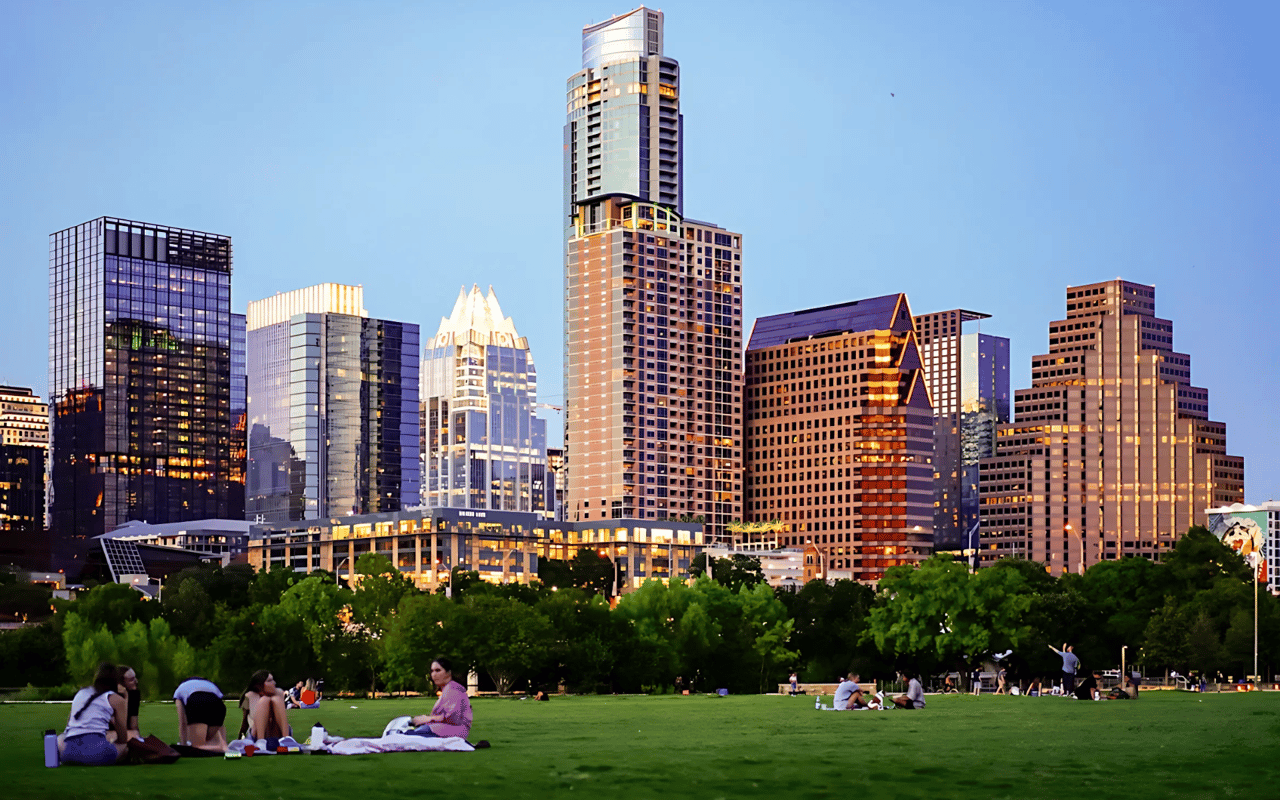
Darsh Parikh | July 28, 2025
Discover Why Austin Is One of the Best Cities for Families to Live, Learn, and Grow.
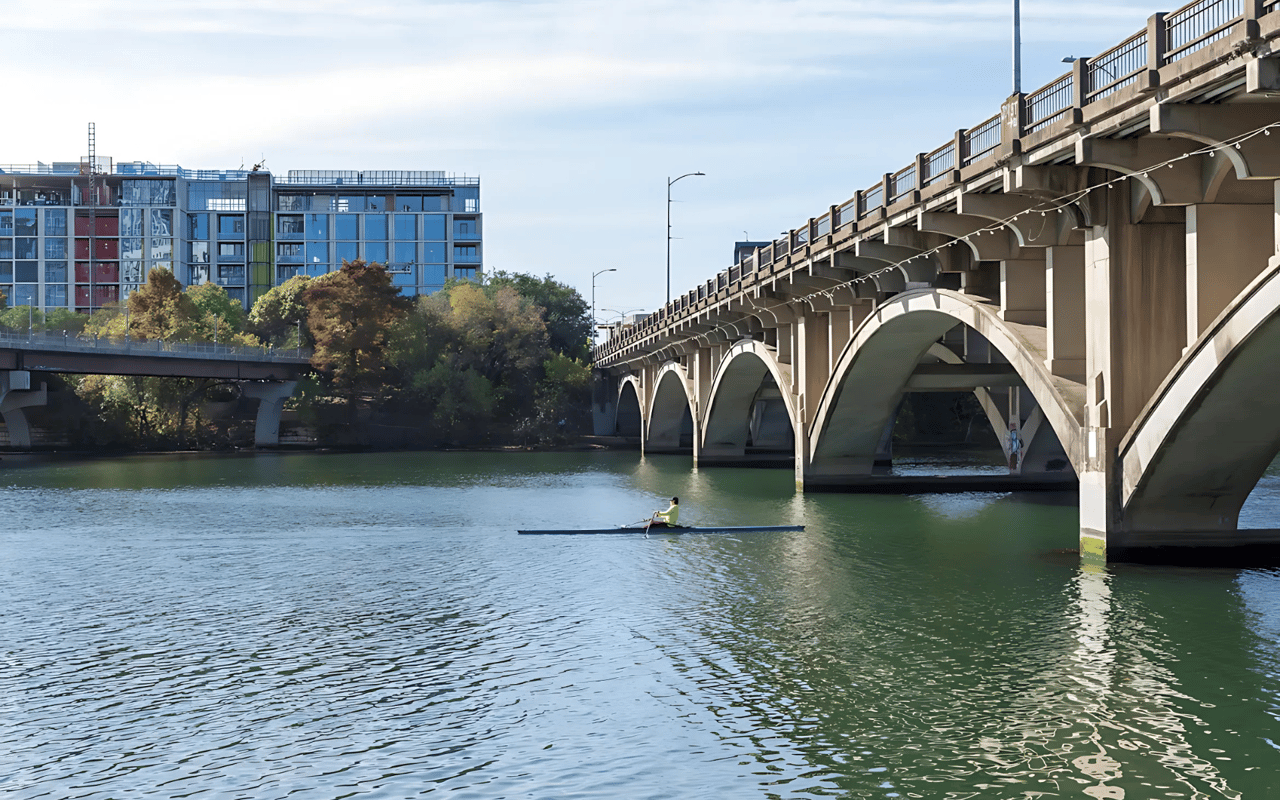
Darsh Parikh | July 28, 2025
Experience the Best of Austin’s Natural Beauty and Active Lifestyle.
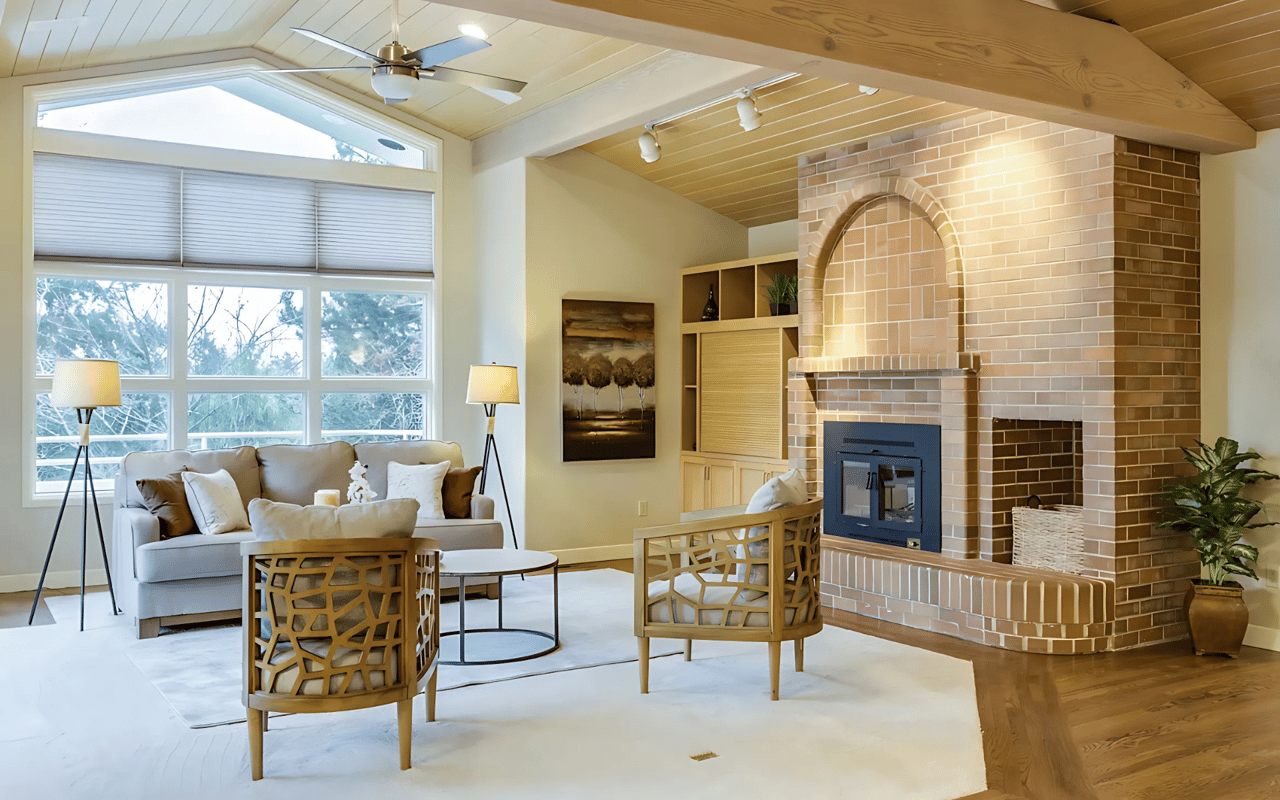
Darsh Parikh | July 28, 2025
What Austin Sellers Need to Know to Attract Modern Buyers and Maximize Value.

Darsh Parikh | July 28, 2025
What Every Seller Should Know Before Listing Their Property.
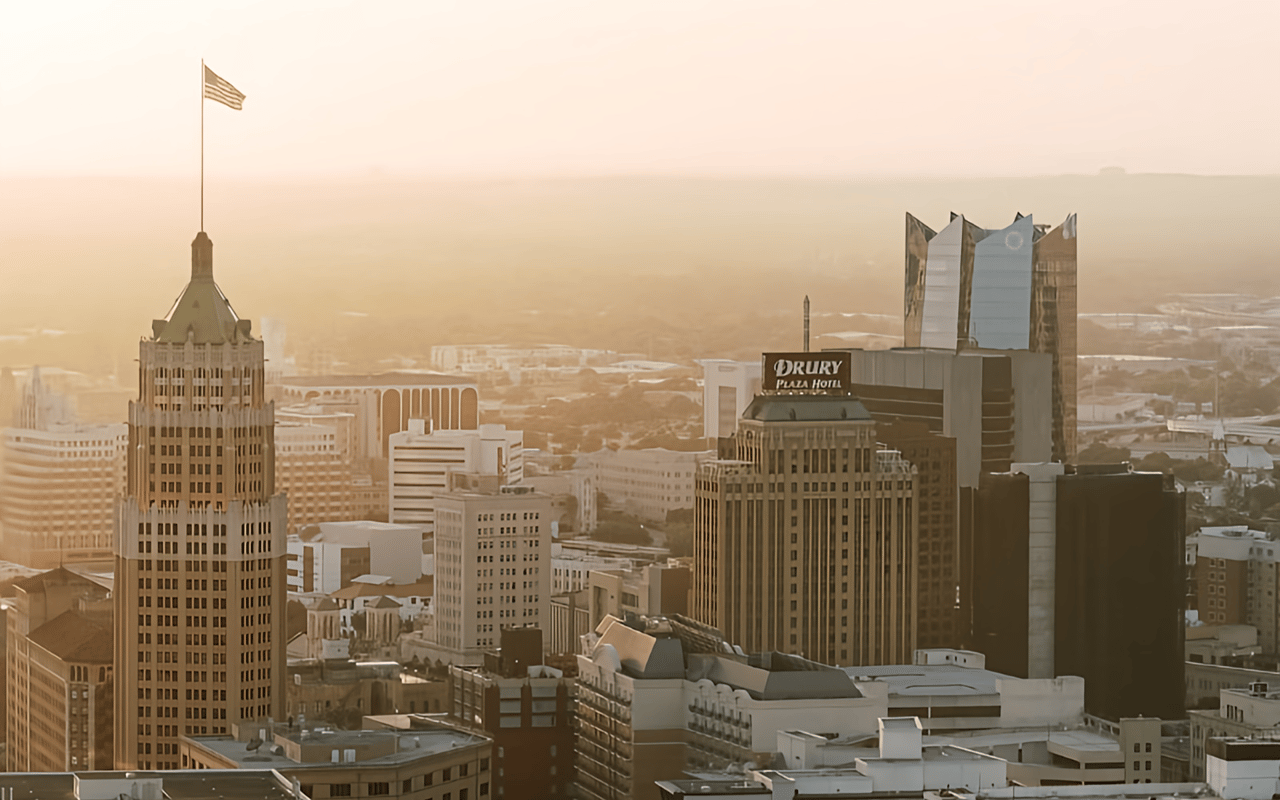
Darsh Parikh | July 28, 2025
Explore the Best Getaways Within a Few Hours of the Capital City.
Real Estate Education
July 9, 2025
Take a real-world tour of what new construction in South Austin looks like in 2025—from layouts to features and finish quality.

Real Estate Education
July 9, 2025
Before you buy new in Austin, understand what’s standard, what’s extra, and how to compare builder offerings with clarity.

Real Estate Education
July 9, 2025
Buying new in Austin? Here’s what to know about builder warranties—and how they differ between top local builders.

July 9, 2025
Explore move-in ready new construction homes in East Austin under $750K—plus builder incentives worth knowing.

Real Estate Education
July 8, 2025
Explore Austin’s top-performing neighborhoods since 2020—and where smart investors should focus next.

Real Estate Education
July 8, 2025
Learn how real estate cycles shape land banking and development outcomes in Austin—and how to time your strategy right.

Real Estate Education
July 8, 2025
Explore 2025’s top land opportunities for developers in South and East Austin—where zoning, transit, and timing align.
Work with a top real estate expert in Austin. Buying or selling a home, they can help you. Contact them now to start your home-searching journey!