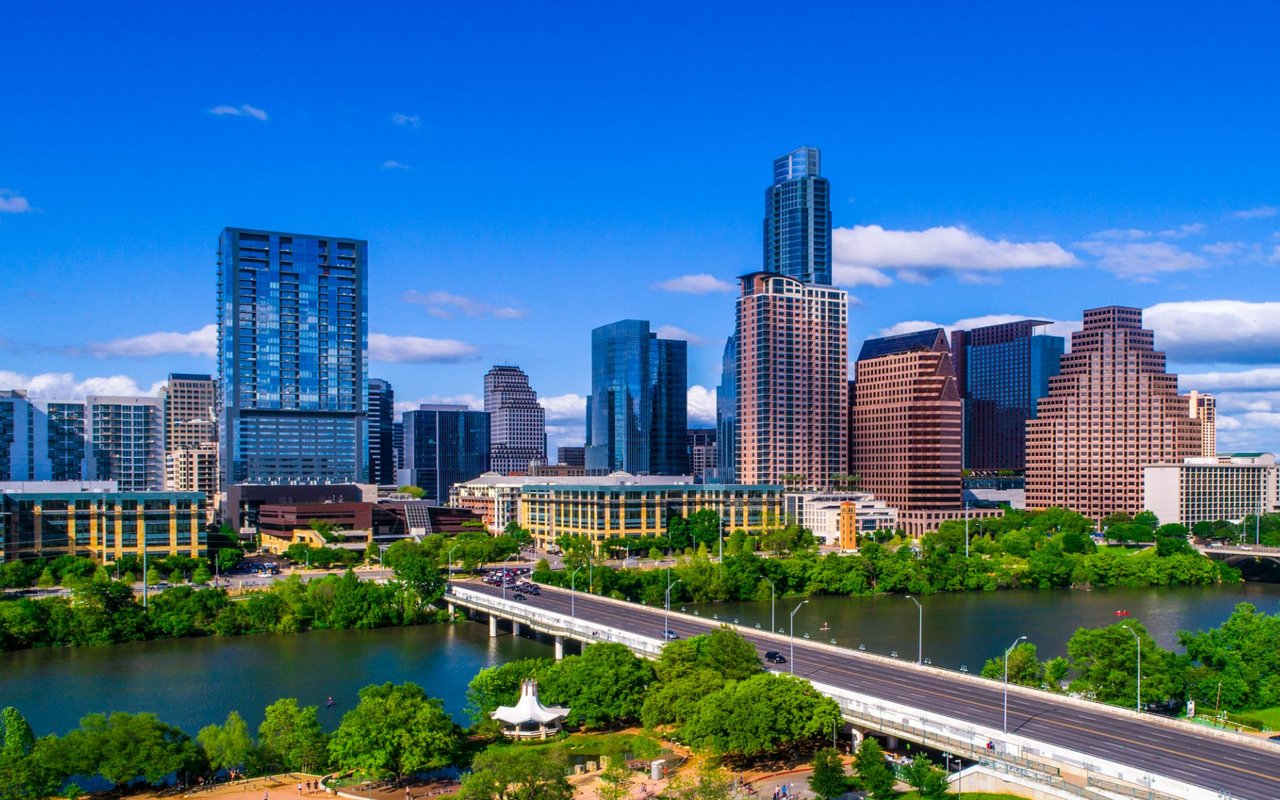
Downtown Austin, TX Real Estate & Luxury Condo Living
Downtown Austin is the center of some of the world's best live music.
Downtown Austin is the center of some of the world's best live music.
Where urban energy meets culture, business, and entertainment in the heart of the city.
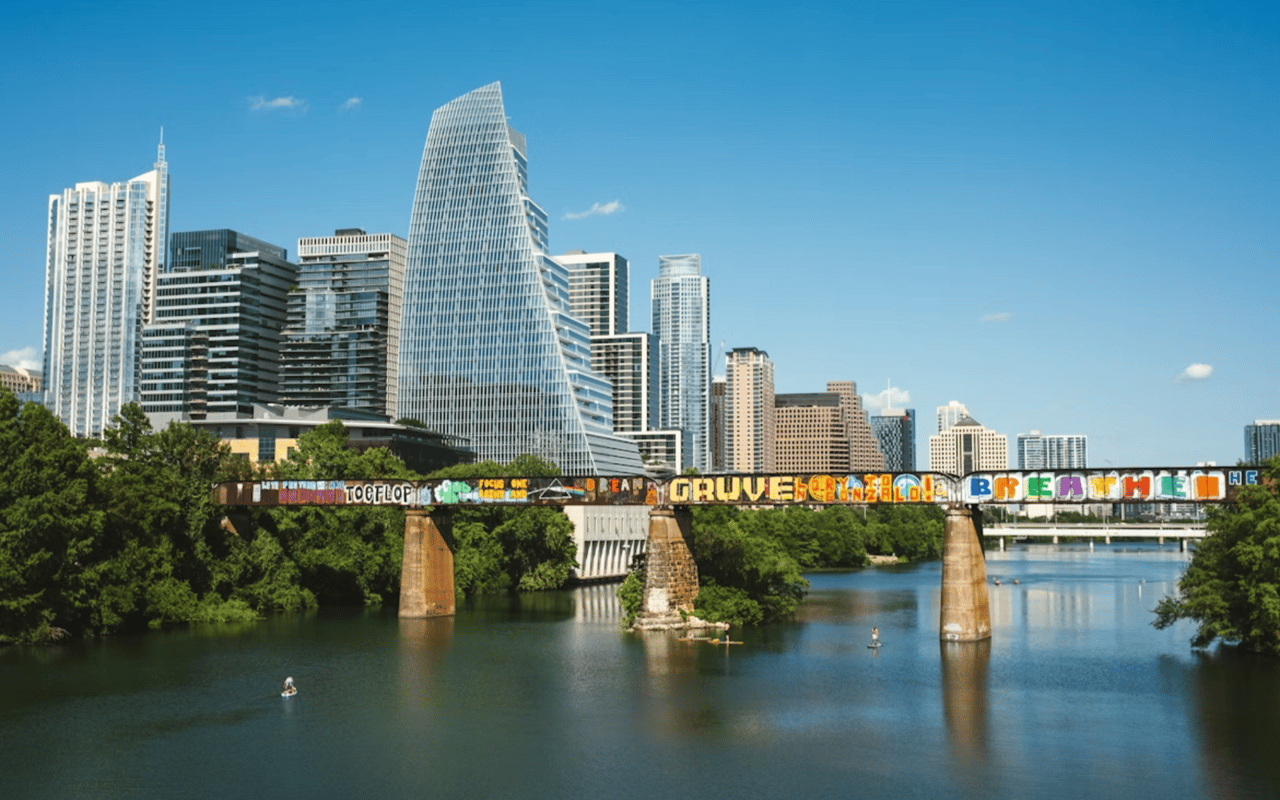
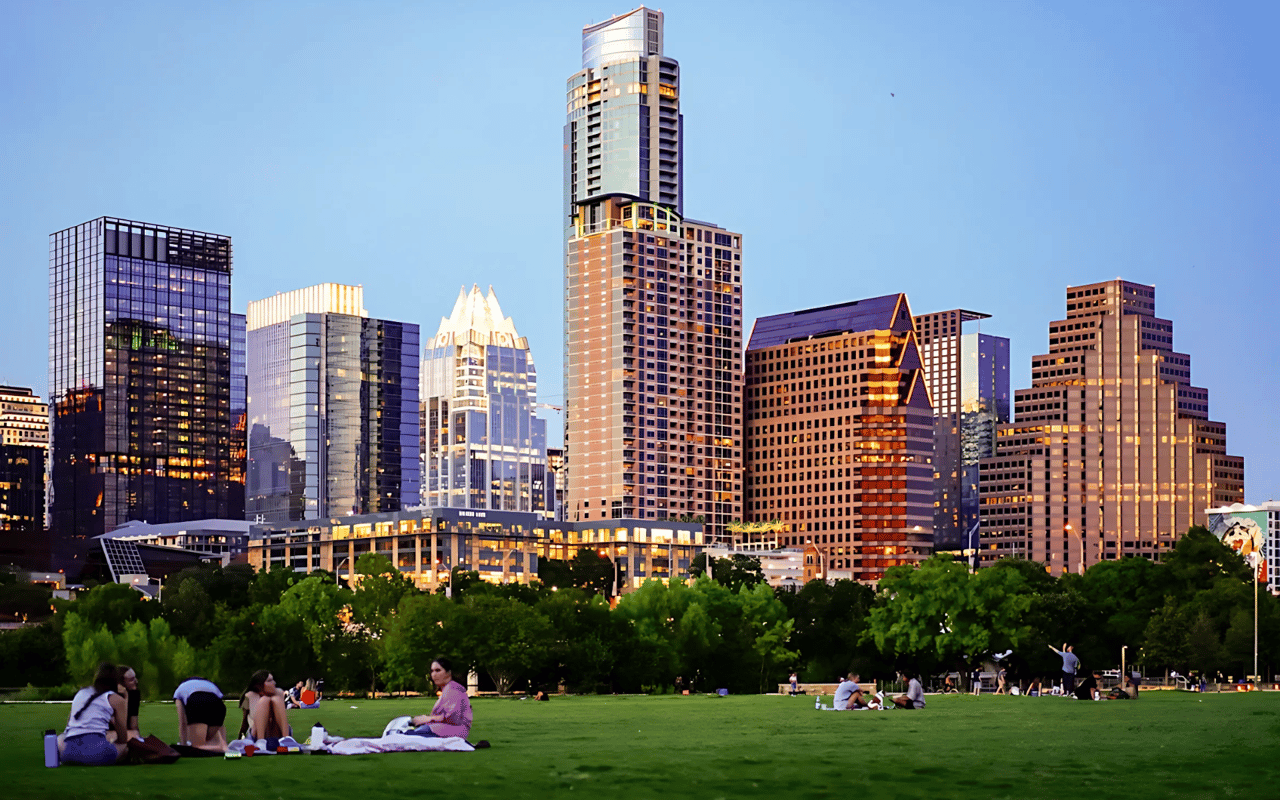
Downtown Austin is Texas's high-energy urban core where state government meets cutting-edge tech and luxury living. This is a neighborhood of contrasts—where the suits of the Capitol transition seamlessly to the sandals of Lady Bird Lake trails. The skyline of glass towers rises against the backdrop of the Texas Hill Country, while the constant hum of live music drifts from historic venues along 6th Street. In 2026, Downtown has matured into a polished 24/7 lifestyle hub that balances the work-hard intensity of a tech center with an almost obsessive commitment to outdoor recreation and live music.
The residential profile has shifted from a 9-to-5 business district to a diverse mix of high-net-worth individuals who prioritize walkability over square footage.
Tech executives, lawyers, and creative professionals dominate the demographic, working in surrounding office towers and valuing the lock-and-leave lifestyle of high-rise condos. They walk to networking events and power lunches rather than commute.
Empty-nesters and retirees have traded large estates in West Lake Hills for luxury penthouses, drawn to the proximity of the Long Center for the Performing Arts, the Moody Center, and world-class dining.
Second-home buyers from California and New York frequently purchase units as seasonal residences or pied-à-terres to enjoy major festivals like SXSW and Austin City Limits.
Graduate students and professors from the University of Texas at Austin reside in northern downtown areas like Judges Hill, drawn by proximity to campus.
The unifying thread is a "work hard, play hard" mentality—fitness-oriented residents who frequent Lady Bird Lake trails and embrace the city's "Live Music Capital" identity with an active social calendar.
Downtown Austin occupies a compact, high-density grid between historic landmarks and natural waterways in Central Texas.
Boundaries: The traditional downtown box is defined by Martin Luther King Jr. Blvd to the north (bordering UT Austin), Lady Bird Lake to the south, Interstate 35 to the east (separating from East Austin), and Lamar Boulevard to the west (bordering Clarksville and West End). The primary zip code is 78701.
Geographic features: The district sits on the Balcones Fault, creating relatively flat terrain that begins rolling into the Texas Hill Country immediately to the west. Two primary creeks—Shoal Creek to the west and Waller Creek to the east—define the landscape, both transformed into urban greenways.
Climate: Humid subtropical with intense summers regularly exceeding 100°F from July through September. Winters are mild and short, though sudden "Blue Norther" cold fronts can drop temperatures rapidly.
Regional position: Austin is centrally located in Texas—approximately 80 miles north of San Antonio, 165 miles south of Dallas, and 200 miles west of Houston.
Unique zoning: Downtown is subject to "Capitol View Corridors"—specific zoning laws preventing buildings from blocking views of the Texas State Capitol dome from various points in the city.
In early 2026, the Downtown Austin market is navigating a significant rebalancing phase, shifting from pandemic-era frenzy to a buyer-favored environment.
Pricing: Median sale prices hover around $585,000 to $765,000 depending on micro-district, though averages often exceed $1 million due to ultra-luxury penthouses. Nearly 50% of active listings have seen recent price reductions as sellers adjust expectations.
Inventory: The market faces a supply overhang with roughly 10 to 12 months of inventory available—the highest level in over a decade. Several new high-rise deliveries (The Modern, 44 East) have hit the market simultaneously.
Days on market: Properties average 100 to 130 days on market, a stark contrast to the lightning-fast sales of 2021. Properties that aren't move-in ready or priced at 2022 levels sit significantly longer.
Appreciation trends: While short-term appreciation has cooled (annual values down roughly 7-13% from post-pandemic peak), long-term compound growth for the 78701 area remains a resilient 6%.
Market conditions: This is firmly a buyer's market. Buyers have leverage to negotiate on price, request repair credits, or ask for rate buy-downs from sellers and developers.
Downtown Austin is almost exclusively a vertical market, though pockets of historic ground-level charm remain.
High-rise luxury condos dominate—established towers like The Austonian and The Independent (the "Jenga Tower") alongside newer tech-forward branded residences. Features include floor-to-ceiling glass, 24-hour concierge, sky lounges, and resort-style pools. Pricing generally ranges from $700/sq. ft. to $1,200+/sq. ft.
Modern apartments and mixed-use developments comprise the majority of rental stock in mid-to-high-rise buildings. The Seaholm and Green Water Districts offer live-work-play setups where apartments sit directly above grocery stores (Trader Joe's, Whole Foods) and boutique fitness studios.
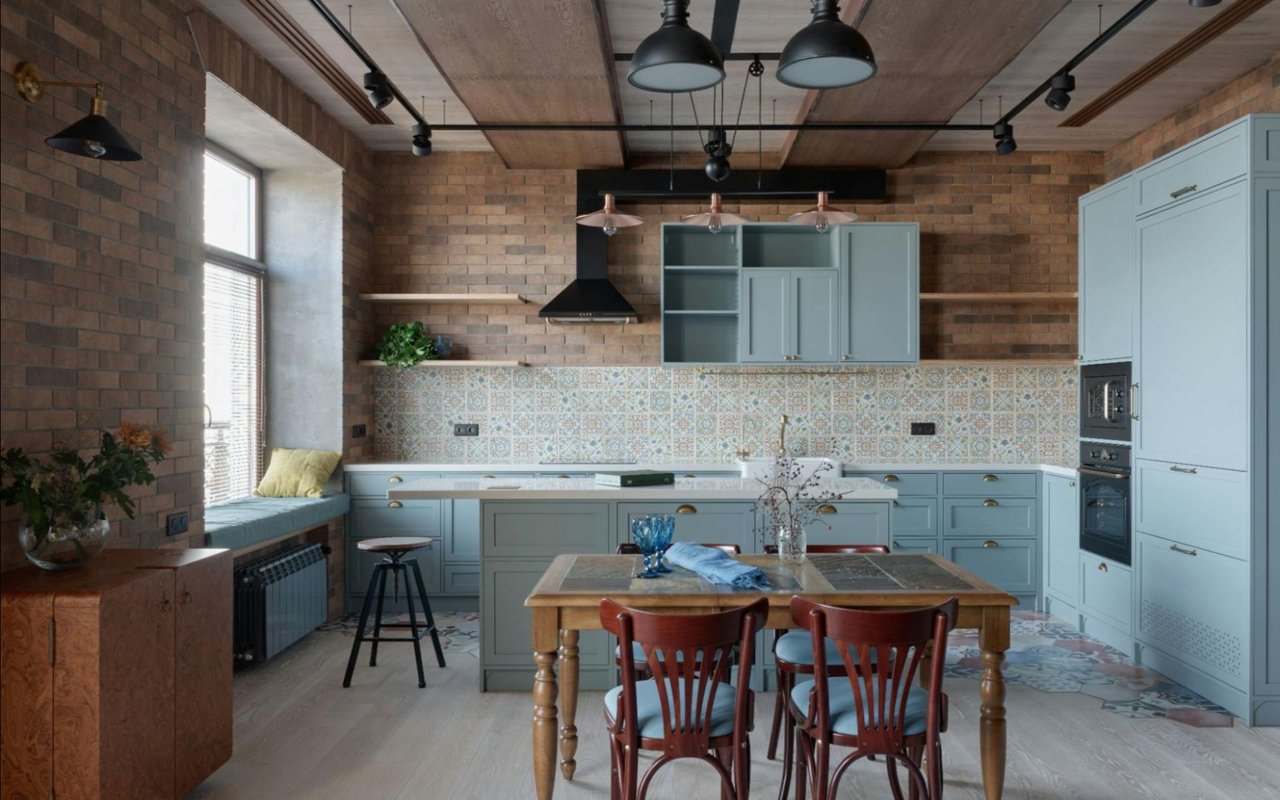
Industrial lofts populate the Brazos and Fourth Street corridors—converted commercial spaces or purpose-built lofts with exposed brick, concrete floors, and high ceilings popular with creative professionals and tech workers.
Historic homes and townhomes are rare in the skyscraper core but appear on northern and western fringes (Judges Hill, near West 6th). Turn-of-the-century bungalows often converted to law offices or boutique residences, plus small clusters of multi-level townhomes providing private entrances without yard maintenance.
Moving to a high-density vertical neighborhood requires logistical precision and adjustment.
Moving logistics: Most downtown towers require reserving loading docks and freight elevators weeks in advance. Avoid 53-foot tractor-trailers without checking capacity—many downtown streets and docks only accommodate box trucks. If moving between May and September, do it early morning before temperatures hit 100°F+.
Utilities: Unlike the rest of Texas where you can shop for electricity, Downtown Austin is served exclusively by Austin Energy (city-owned utility). Set up your account online at least a week before arrival.
Transportation: Parking costs $200-$400/month per spot in residential buildings. With expanded CapMetro rail and high density of grocery stores (Whole Foods, Trader Joe's), many residents need only one car or none.
Property taxes: Texas has no state income tax but high property taxes. File for your Homestead Exemption through Travis Central Appraisal District immediately upon eligibility to cap tax increases.
Climate adaptation: Prepare for intense summer heat. The work-oriented culture embraces early morning activities—fitness routines, farmers market visits, and meetings often happen before 9 AM to avoid afternoon heat.
The "Crane Capital" is seeing ambitious projects reach completion in 2026.
The Waterline: Now fully completed, this 1,025-foot supertall is the tallest building in Texas. Located at 98 Red River St., it features 1 Hotel Austin (sustainable luxury), luxury residences in the top 33 stories, and new pedestrian bridges connecting Rainey Street to the Waller Creek greenway.
Rainey Street transformation: The district is transitioning from bar-centric row to an 18-hour neighborhood. The Modern condo tower delivered in early 2026, bringing The Modern Bar coffee-to-cocktail concept. The city completed over $1 million in lighting, fencing, and trailhead improvements connecting high-rises to Lady Bird Lake.
Waterloo Greenway (The Confluence): Completing mid-2026, this second phase features an 800-foot boardwalk, three new pedestrian bridges, and over 200,000 plants, transforming Waller Creek into a world-class ecological destination.
Austin Convention Center redevelopment: The massive demolition and rebuild is officially underway. While the new facility won't reopen until 2029, the project currently drives traffic rerouting and infrastructure staging around Trinity and 4th Streets.
Project Connect infrastructure: Construction has begun on the Blue Line and Orange Line light rail corridors. Expect rerouting around Congress Avenue and 4th Street as utility work progresses for the new tunnel system.
Purchasing downtown requires understanding vertical living and condo association partnerships.
HOA health and fees: Expect monthly dues between $0.70 and $1.10 per square foot in luxury towers. Request the Reserve Study and verify a Reserve Funding Ratio above 70% to avoid massive special assessments for repairs.
Noise considerations: Downtown is a music hub. If buying near 6th Street or Red River Cultural District, check building glass thickness. Newer towers use triple-pane glass, but older conversions may let in significant street noise.
Parking logistics: Most units come with one or two deeded spots. Verify if spots are tandem (one car blocked by another) or include EV charging stations—a major resale value driver in 2026.
School boundaries: You're likely zoned for Mathews Elementary, O. Henry Middle, and Austin High. Austin ISD is undergoing a multi-year School Consolidation plan—verify 2026-2027 boundary maps before closing.
Flood and fire risk: While wildfire risk is minimal in the concrete core, Waller Creek and Shoal Creek are prone to flash flooding. Ensure the building's master insurance policy covers ground-floor lobby and garage levels.
Technical due diligence: Have your attorney review HOA documents, reserve studies, meeting minutes, and any pending special assessments during the option period.
In a buyer-favored market with 10+ months of inventory, properties must stand out as turn-key.
Pricing strategy: Don't price based on 2022 peak comps. Successful 2026 sellers price 2-4% below the last comparable sale to spark immediate interest and avoid "stale listing" stigma after 60 days on market.
Staging for 2026 trends: Cold grey minimalism is dead. Buyers want warmth and personality—use earthy tones (terracotta, deep greens), natural textures (linen, wood), and wellness nooks (meditation corners, high-end home office setups).
High-value upgrades: Integrated, invisible smart home systems (automated shades, climate control, leak detection) are now expected. In kitchens, warm wood or matte-finish dark cabinets significantly increase perceived value over stark white.
Timing strategy: While spring (March-May) remains strongest for volume, the fall market (September-October) is the second-best window as buyers settle in before holidays and after summer heat subsides.
Competitive incentives: To compete with new construction, many resale sellers offer rate buydowns (paying points to lower the buyer's mortgage rate) instead of direct price cuts. This often costs sellers less while providing buyers more monthly savings.
Downtown Austin is the culinary and entertainment epicenter of Texas, with distinct districts offering different personalities.
Upscale dining: Hestia (modern grill) and Emmer & Rye lead with locally sourced, innovative menus. Aba provides high-end Mediterranean patio dining. For power lunches, The Driskill Grill offers historic ambiance while Loro and Seaholm District concepts cater to tech professionals.
Coffee and quick service: Better Half Coffee & Cocktails and Royal Blue Grocery locations serve as neighborhood living rooms for quick espresso or curated sandwiches.
Bar districts: Rainey Street features historic bungalows turned bars (Banger's Sausage House & Beer Garden, Lustre Pearl). The Red River Cultural District is the soul of music with Stubb's BBQ, The Mohawk, and Cheer Up Charlies. The Warehouse District offers mature polish with The Roosevelt Room and Parker Jazz Club.
Speakeasies: Here Nor There (subterranean) and Small Victory (tucked in a parking garage) offer intimate cocktail experiences away from 6th Street noise.
Music venues: ACL Live at The Moody Theater is the premier venue for world-class acts in an intimate setting (where Austin City Limits TV show is filmed). The Moody Center handles major global tours and UT Basketball. Esther's Follies on 6th Street delivers political satire, magic, and musical comedy.
Downtown shopping focuses on boutique experiences and curated districts rather than big-box retail.
2nd Street District is the heart of downtown retail—local boutiques and national brands like Bonobos, Eliza Page (fine jewelry), and Lululemon alongside quirky favorites like Toy Joy.
West 6th Street features Waterloo Records (legendary independent record store) and BookPeople (Texas's largest independent bookstore).
South Congress (SoCo) sits just across the bridge with iconic Austin shopping including Allens Boots, Tecovas, and high-end designers like Hermès.
Grocery stores: Whole Foods Market Flagship at 6th and Lamar is the global headquarters—a food cathedral with multiple dine-in venues and massive rooftop plaza. Trader Joe's in the Seaholm District offers affordable daily essentials. Royal Blue Grocery provides boutique urban bodega service with multiple locations for local coffee, craft beer, and high-end prepared foods. SFC Farmers' Market at Republic Square every Saturday offers direct purchases from Central Texas farmers and artisans.
Downtown residents are never more than a few blocks from trails or green space despite vertical growth.
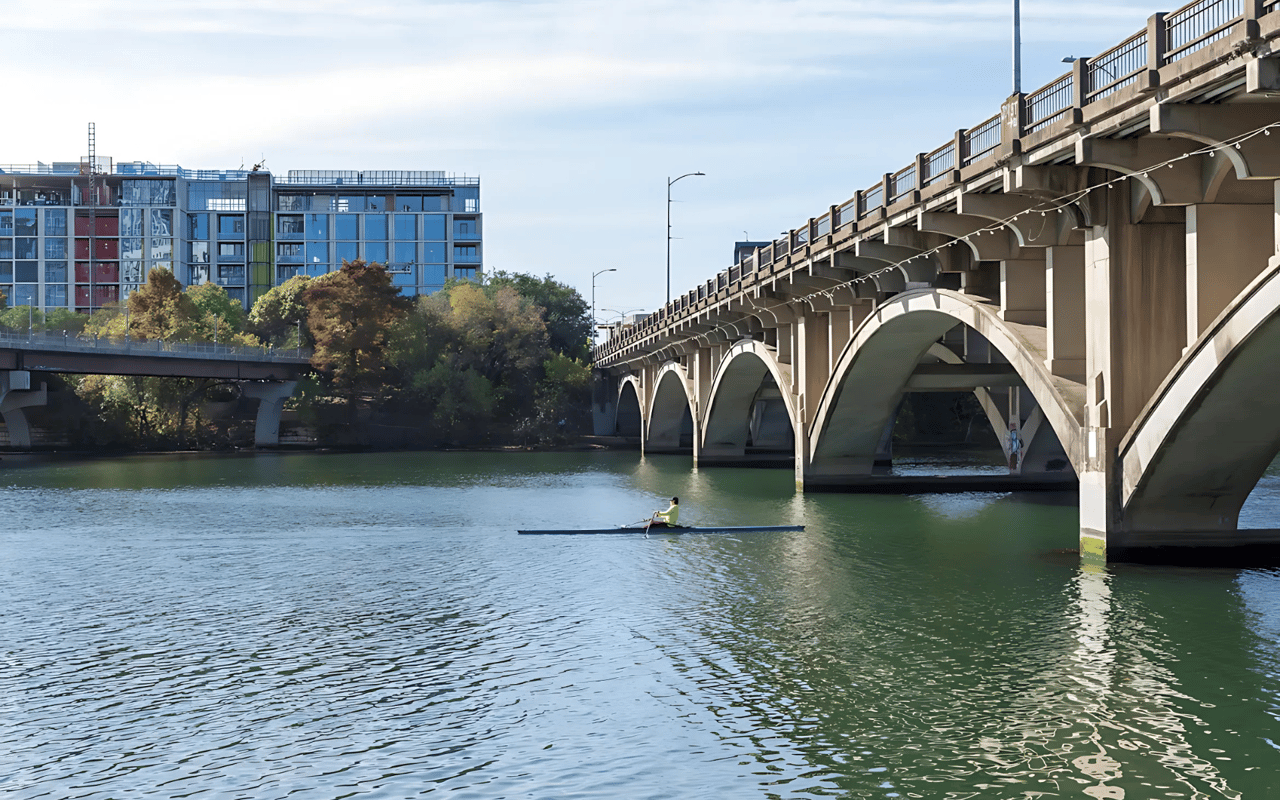
Lady Bird Lake and Butler Trail: The 10-mile Ann and Roy Butler Hike-and-Bike Trail is the primary social and fitness artery. The new Wishbone Bridge (2026) provides a stunning architectural focal point for pedestrians crossing between shores. The lake is strictly non-motorized, creating a serene hub for kayaking, paddleboarding, and rowing.
Zilker Metropolitan Park: A short bike ride west, this 350-acre park hosts the Great Lawn (home to ACL Music Festival) and Zilker Botanical Garden.
Barton Springs Pool: This three-acre spring-fed pool maintains a constant 68-74°F year-round. A morning plunge is a common pre-work ritual for downtowners.
Waterloo Park and Moody Amphitheater: The northeast edge features 11 acres of greenspace and the Confluence trail system, which connected Waller Creek greenway to the lake in 2026.
Pease District Park: Recently revitalized with Kingsbury Commons and a world-class treehouse lookout—the go-to spot for families and dog owners on the western edge.
Water activities: Multiple rental docks (like Waller Creek) offer easy kayak, SUP, and rowing access for residents on the motorboat-free lake.
The "Keep Austin Weird" mantra has evolved into a culture of Creative Innovation—polished but purposefully informal.
The Austin uniform: CEOs wear T-shirts and jeans, lawyers wear high-end western boots. There's a strong cultural bias against stiff formality—comfort and personal style trump traditional corporate attire.
Early bird social scene: While 6th Street is famous for late-night revelry, resident culture increasingly focuses on mornings. Weekend mornings at SFC Farmers' Market at Republic Square are as socially significant as Friday nights at cocktail bars.
Music as utility: Live music isn't just for concerts—it's everywhere, from grocery stores to hotel lobbies to the airport. Residents are highly knowledgeable about hidden gem venues like The Elephant Room (jazz) or C-Boy's Heart & Soul.
Pet-centricity: There are often more dogs than children in 78701. Most cafes, bars, and some retail stores are dog-friendly. Dog spas are standard amenities in luxury high-rises.
Bat City tradition: Every evening from spring through fall, residents and tourists gather to watch 1.5 million Mexican free-tailed bats emerge from under Congress Avenue Bridge—the city's most beloved daily ritual.
Wellness focus: The lifestyle balances high-octane tech work with obsessive outdoor commitment. Fitness, outdoor recreation, and wellness activities are cultural priorities, not afterthoughts.
Downtown residents are served by Austin Independent School District (AISD), which is undergoing a major School Consolidation and Boundary Change plan for 2026-2027.
Public schools (AISD): Mathews Elementary (K-5) in the historic West End is a highly rated A campus with expanded boundaries in 2026 including students formerly zoned for Bryker Woods and parts of Barton Hills. O. Henry Middle School (6-8) serves most downtown residents and transitioned to a 6-8 model in 2026. Austin High School (9-12) is one of Texas's oldest and most storied high schools, offering the prestigious Global Studies Academy with a campus on Lady Bird Lake providing unique outdoor and athletic programs. LASA (Liberal Arts & Science Academy), while not in 78701, is a top-ranked magnet high school (consistently #1 in Texas) that's a common goal for downtown families.
Private schools: Headwaters School (PreK-12) has its Middle and High School campus on Rio Grande St. downtown, officially launching the IB Middle Years Programme in Fall 2026. Kirby Hall School (PreK-8) just north of the Capitol is known for small class sizes and academically-curious curriculum. UT Child Development Center is a highly sought-after preschool and daycare with locations near the Capitol, though priority goes to UT faculty and state employees.
Higher education: The University of Texas at Austin defines the northern border, anchoring the city's intellectual and tech culture. Austin Community College's Rio Grande Campus is a major downtown hub for adult education and specialized workforce training.
Downtown Austin is the hub for CapMetro, the regional transit authority, designed for high-frequency service with many routes arriving every 15 minutes.
Rail and rapid bus: MetroRail Red Line connects the Downtown Station (next to Convention Center) to North Austin and Leander—the preferred commute for northern professionals. MetroRapid routes 801 and 803 are bus-on-rails options with dedicated lanes. The 801 connects North Lamar to South Congress, while the 803 links the Domain to Westgate via downtown.
The hub system: Republic Square is the primary transfer point where almost all major bus lines converge—the most connected spot in the city.
Bike share: MetroBike is fully integrated with the CapMetro app, with over 70 downtown stations featuring a fleet that's now almost entirely e-bikes to help riders tackle Texas heat.
Walking and cycling: The compact grid and extensive trail network make downtown highly walkable and bikeable. Lady Bird Lake trails provide car-free commute routes.
Parking: Expensive at $200-$400/month per spot in residential buildings. Many residents find they can manage with one car or none given transit access and walkability.
Future infrastructure: Project Connect's Blue Line and Orange Line light rail construction is underway in 2026, with some rerouting around Congress Avenue and 4th Street as utility work progresses for the new tunnel system.
Pro tip: Download the CapMetro App for ticket purchases and real-time tracking. Those under 18 or UT students likely ride free with valid ID.
Rainey Street has transformed from a bar-centric row to an 18-hour neighborhood with historic bungalows turned entertainment venues, new luxury residential towers like The Modern, and improved pedestrian connections to Lady Bird Lake via upgraded lighting, fencing, and trailheads.
2nd Street District is the retail heart with a walkable mix of local boutiques and national brands, creating the quintessential downtown shopping and dining corridor.
West 6th Street offers a mature, polished atmosphere with Waterloo Records, BookPeople, and the Warehouse District's sophisticated bar scene including The Roosevelt Room and Parker Jazz Club.
Congress Avenue is the historic spine running from the Capitol to Lady Bird Lake, home to the iconic bat bridge and undergoing infrastructure work for the future light rail tunnel system.
Red River Cultural District preserves the soul of Austin's music scene with venues like Stubb's BBQ, The Mohawk, and Cheer Up Charlies—essential for residents who embrace the "Live Music Capital" identity.
Shoal Creek and Waller Creek greenways provide car-free pedestrian and cycling corridors connecting downtown to trail systems, with Waller Creek's Confluence project completing in 2026 as a world-class ecological destination.
Downtown Austin delivers a rare urban formula: sophisticated metropolitan amenities without sacrificing access to nature and authenticity.
Residents love the walkable, lock-and-leave lifestyle that eliminates suburban sprawl while placing world-class dining, entertainment, and culture within blocks of home. The outdoor obsession is genuine—Lady Bird Lake trails, Barton Springs Pool, and expanding greenways create an urban oasis where morning fitness rituals and evening bat-watching are neighborhood traditions, not tourist activities.
The live music culture isn't marketing—it's infrastructure. From intimate jazz clubs to the Moody Theater, music venues are woven into daily life, creating spontaneous encounters with both emerging artists and established acts. This, combined with the creative innovation mentality, attracts professionals who reject the stiff formality of traditional corporate centers in favor of jeans-and-boots workplaces where technical excellence meets Texas informality.
The rebalanced 2026 market offers buyers leverage and value that hasn't existed in years, with inventory levels and pricing adjustments creating opportunities for patient, well-capitalized purchasers. New infrastructure completions—The Waterline supertall, The Confluence greenway, expanded transit—are delivering on years of construction disruption, revealing a more polished, connected urban environment.
Most fundamentally, people love Downtown Austin because it honors both work and life. The high-octane energy of Texas's tech and government center coexists with the very real possibility of paddleboarding at lunch, catching live music on a Tuesday, and running into the CEO of a billion-dollar company wearing flip-flops at the farmers market on Saturday morning. That contradiction isn't just tolerated—it's the entire point.




14,069 people live in Downtown Austin, where the median age is 41 and the average individual income is $136,156. Data provided by the U.S. Census Bureau.
Total Population
Median Age
Population Density Population Density This is the number of people per square mile in a neighborhood.
Average individual Income
There's plenty to do around Downtown Austin, including shopping, dining, nightlife, parks, and more. Data provided by Walk Score and Yelp.
Explore popular things to do in the area, including Bakehouse Catering, Seasilver Distributor Associate-Debbie Walker, and Burgerland.
| Name | Category | Distance | Reviews |
Ratings by
Yelp
|
|---|---|---|---|---|
| Dining | 0.2 miles | 0 reviews | 0/5 stars | |
| Dining | 0.2 miles | 0 reviews | 0/5 stars | |
| Dining | 0.2 miles | 0 reviews | 0/5 stars | |
| Dining | 0.2 miles | 0 reviews | 0/5 stars | |
| Dining | 0.2 miles | 1 review | 5/5 stars | |
| Dining | 0.2 miles | 1 review | 1/5 stars | |
| Shopping | 0.06 miles | 0 reviews | 0/5 stars | |
| Shopping | 0.15 miles | 0 reviews | 0/5 stars | |
| Shopping | 0.2 miles | 0 reviews | 0/5 stars | |
| Active | 0.2 miles | 0 reviews | 0/5 stars | |
| Active | 0.2 miles | 0 reviews | 0/5 stars | |
| Active | 0.2 miles | 1 review | 5/5 stars | |
| Active | 0.21 miles | 0 reviews | 0/5 stars | |
| Active | 0.21 miles | 0 reviews | 0/5 stars | |
| Active | 0.21 miles | 0 reviews | 0/5 stars | |
| Nightlife | 0.21 miles | 0 reviews | 0/5 stars | |
| Beauty | 0.06 miles | 0 reviews | 0/5 stars | |
| Beauty | 0.06 miles | 0 reviews | 0/5 stars | |
| Beauty | 0.2 miles | 0 reviews | 0/5 stars | |
| Beauty | 0.2 miles | 0 reviews | 0/5 stars | |
| Beauty | 0.2 miles | 0 reviews | 0/5 stars | |
| Beauty | 0.21 miles | 0 reviews | 0/5 stars | |
|
|
||||
|
|
||||
|
|
||||
|
|
||||
|
|
||||
|
|
Downtown Austin has 9,578 households, with an average household size of 1. Data provided by the U.S. Census Bureau. Here’s what the people living in Downtown Austin do for work — and how long it takes them to get there. Data provided by the U.S. Census Bureau. 14,069 people call Downtown Austin home. The population density is 14,898 and the largest age group is Data provided by the U.S. Census Bureau.
Total Population
Population Density Population Density This is the number of people per square mile in a neighborhood.
Median Age
Men vs Women
Population by Age Group
0-9 Years
10-17 Years
18-24 Years
25-64 Years
65-74 Years
75+ Years
Education Level
Total Households
Average Household Size
Average individual Income
Households with Children
With Children:
Without Children:
Marital Status
Blue vs White Collar Workers
Blue Collar:
White Collar:
October 22, 2026

Darsh Parikh | October 20, 2026
Designing a Luxury Home Office That Fits Austin Real Estate.
Darsh Parikh | October 20, 2026
From Rooftop Patios to Sculpture Trails Around Rollingwood.
October 15, 2026
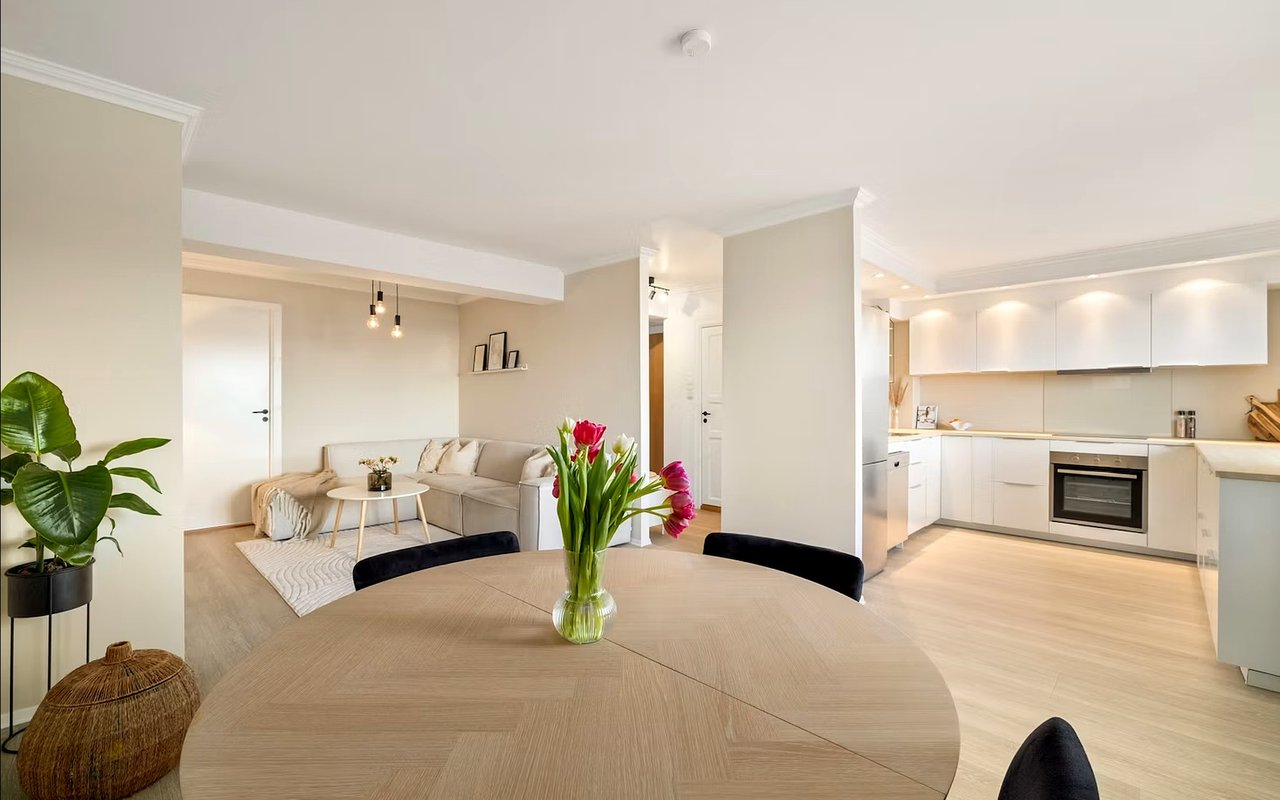
Darsh Parikh | October 14, 2026
Beyond the broad appeal of a Westlake address, maximizing your home's sale depends on attracting the right buyer.
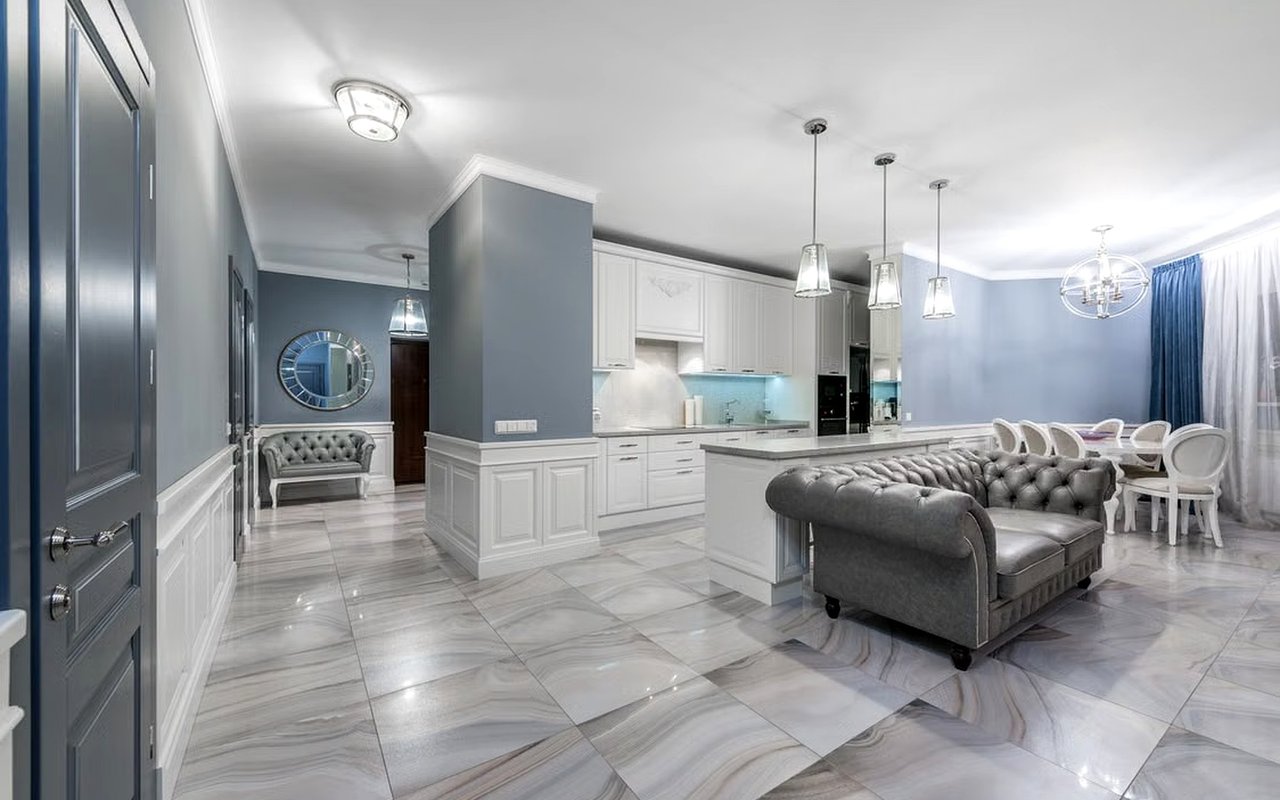
Darsh Parikh | October 8, 2026
Explore the appeal of Tarrytown and what to consider before buying a home in one of Austin's best neighborhoods.
October 8, 2026
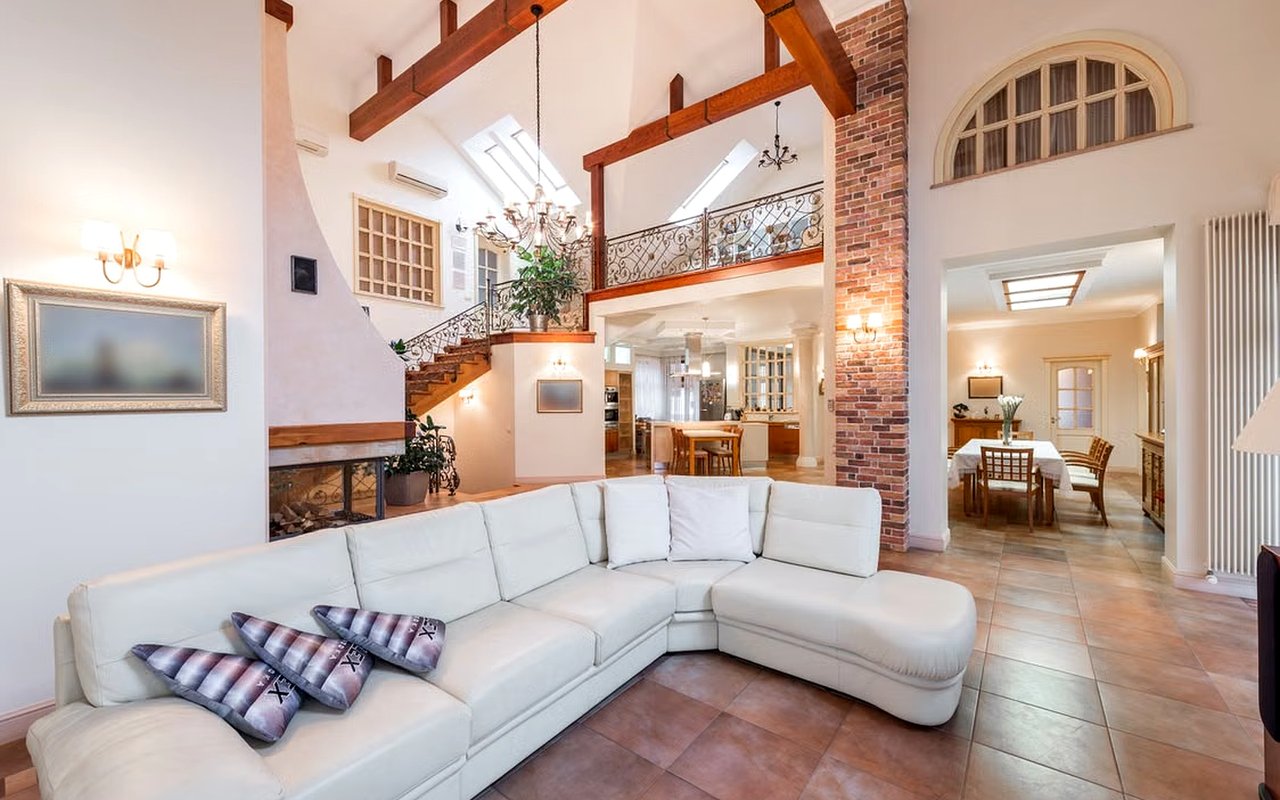
Darsh Parikh | October 4, 2026
A Guide to Selling Your Multimillion-Dollar Austin Home.
October 1, 2026
Darsh Parikh | September 28, 2026
Exploring Austin's majestic Barton Hills community, among the city's most sought-after residential destinations.
September 24, 2026
September 17, 2026
September 10, 2026

Darsh Parikh | September 9, 2026
A Local’s Guide to the Best Dog Parks and Trails in Zilker.
September 3, 2026
Darsh Parikh | August 27, 2026
Tips for Positioning Luxury Real Estate in One of Austin's Most Coveted Corners: Accurately Price Your Home in Barton Hills.
August 27, 2026
August 25, 2026
How to Sell Luxury Real Estate in Austin for Top Dollar.
Darsh Parikh | August 24, 2026
Where to Put Your Money Before You List in Austin's Most Prestigious Address: High-ROI Renovations to Make Before Listing Your Tarrytown Home.
August 20, 2026

Darsh Parikh | August 13, 2026
Map Your Walks or Runs on These Routes Near Barton Hills.
August 13, 2026

Darsh Parikh | August 7, 2026
A Practical Guide for Discerning Diners.
August 6, 2026
August 6, 2026
July 23, 2026
July 23, 2026
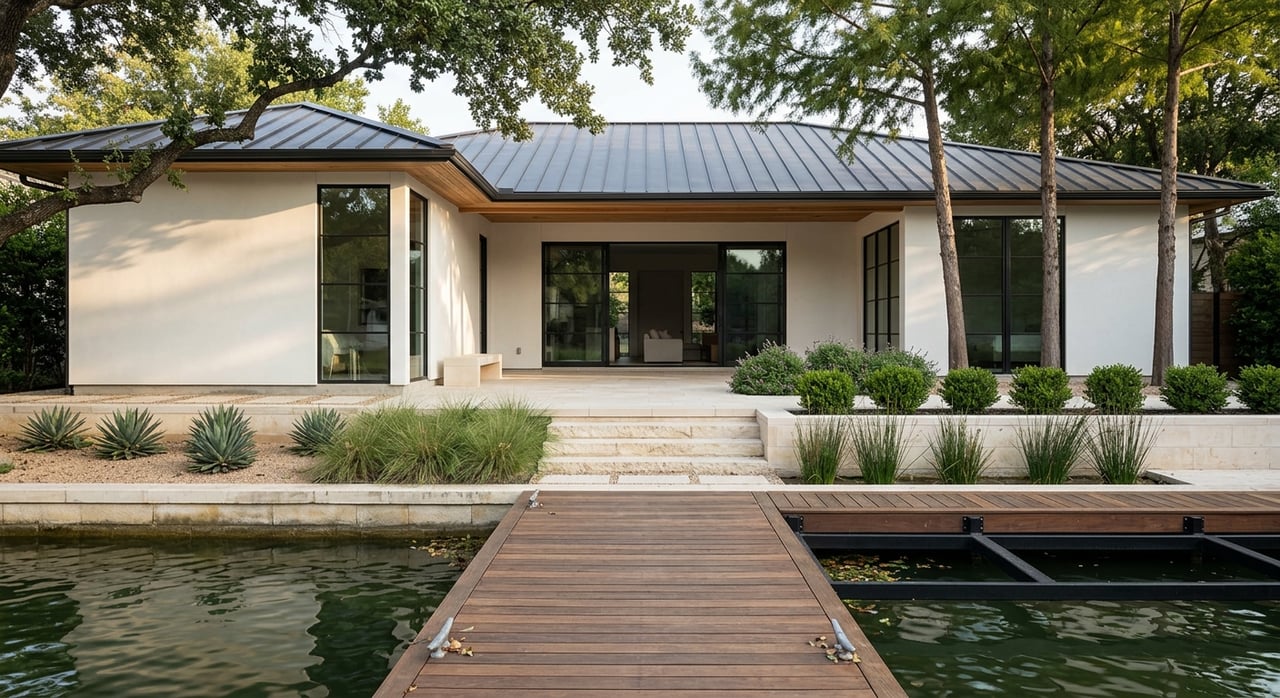
July 16, 2026

Darsh Parikh | July 15, 2026
Your Guide to Buying Smart in Barton Hills, Zilker, and Westlake.
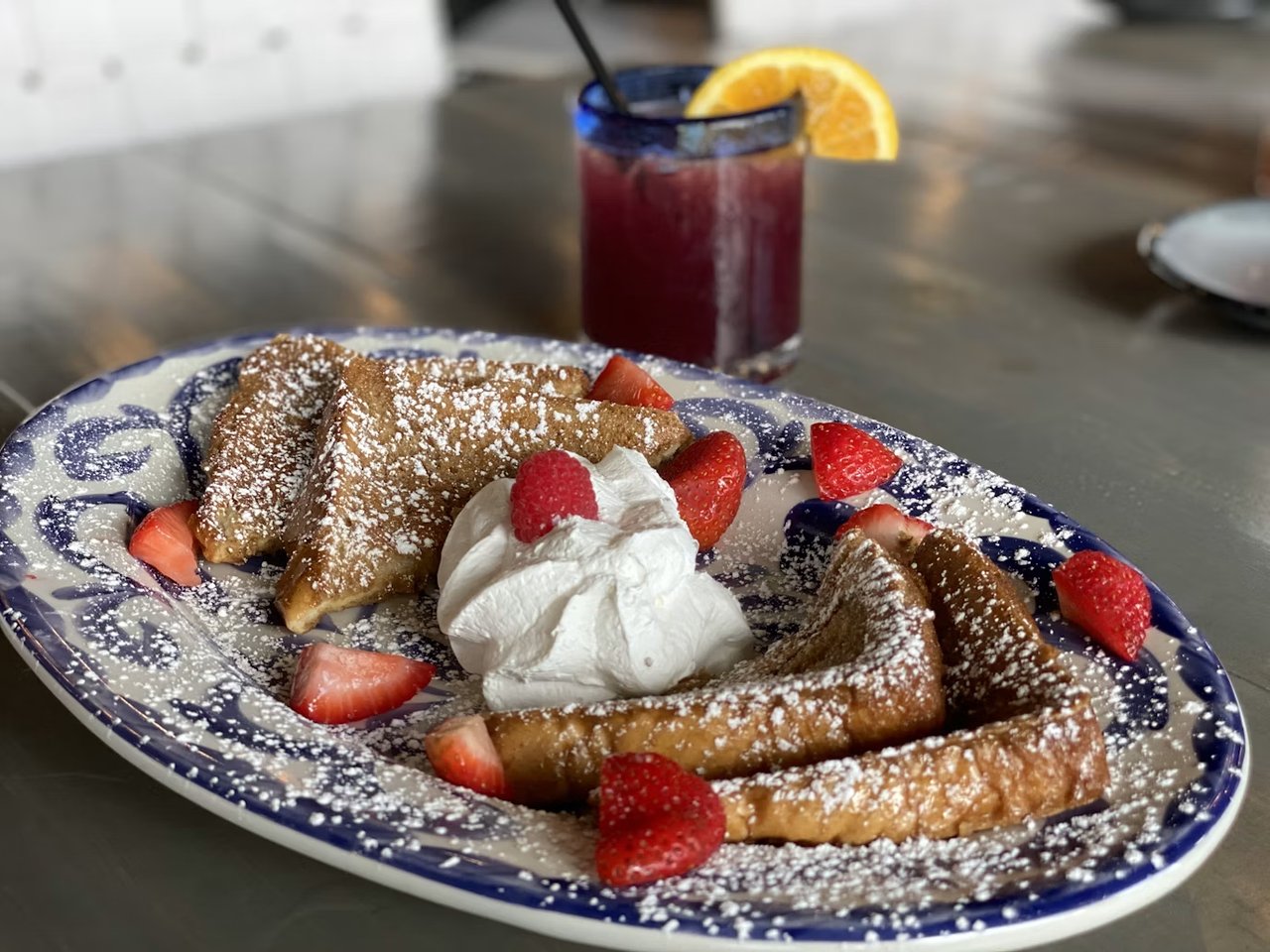
Darsh Parikh | July 15, 2026
Brunch on Lake Austin or in Tarrytown’s Excellent Cafes.
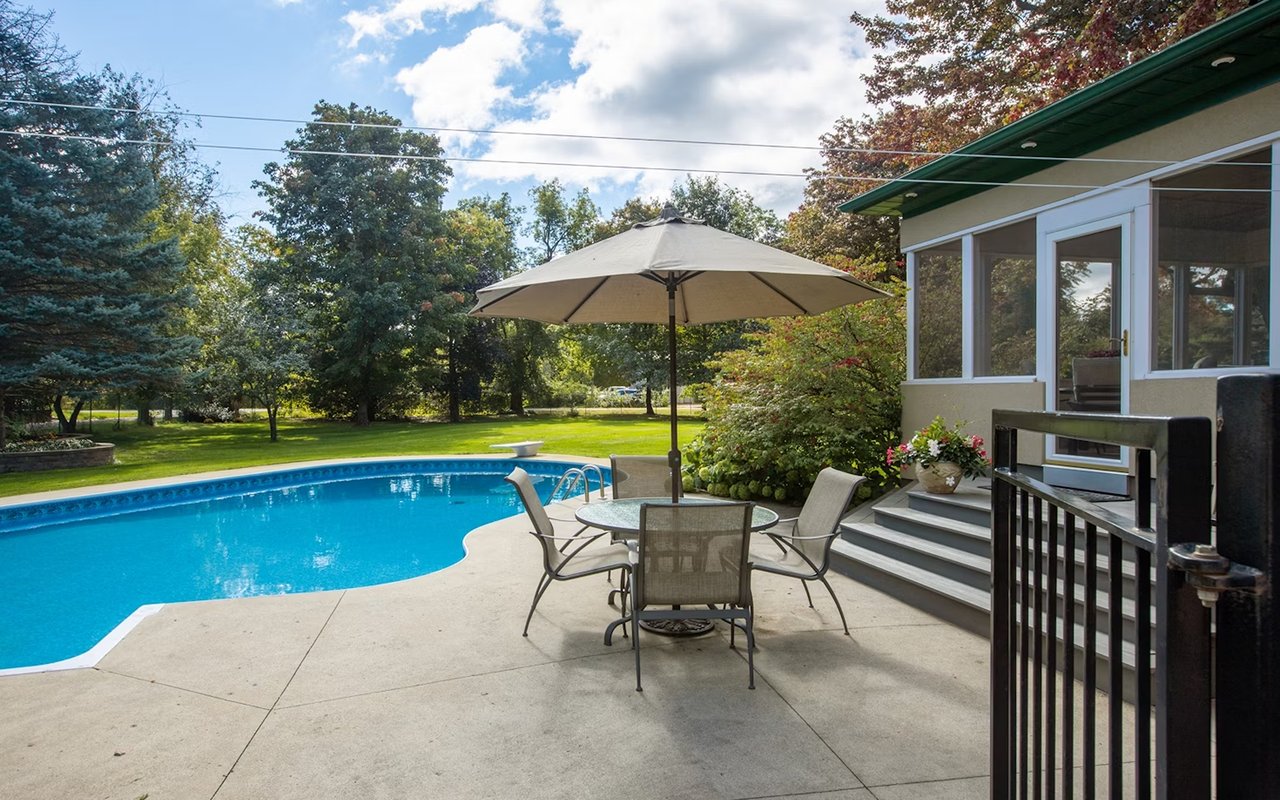
Darsh Parikh | July 15, 2026
Where Austin's Best Weather Meets Design That Lives Outside.
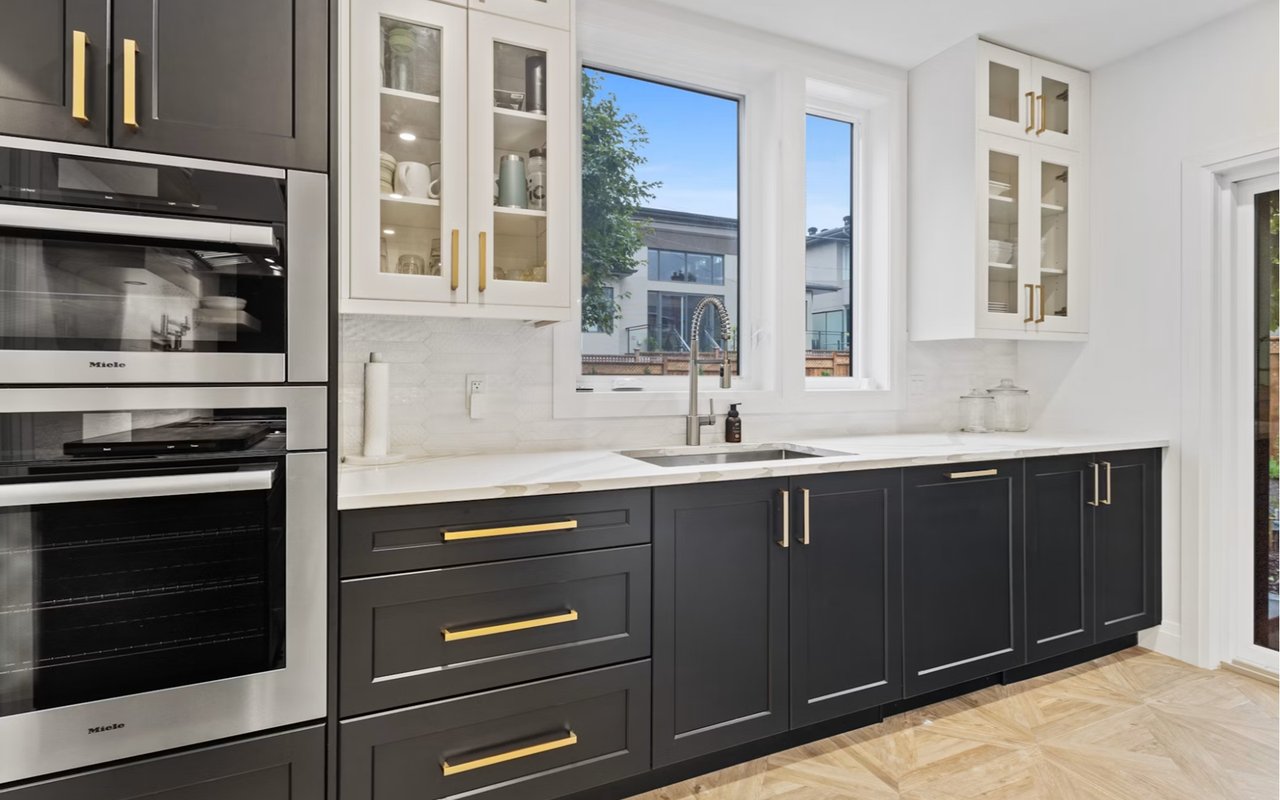
Darsh Parikh | July 15, 2026
A Buyer's Guide to Reading the Details Beyond the Listing Photos.
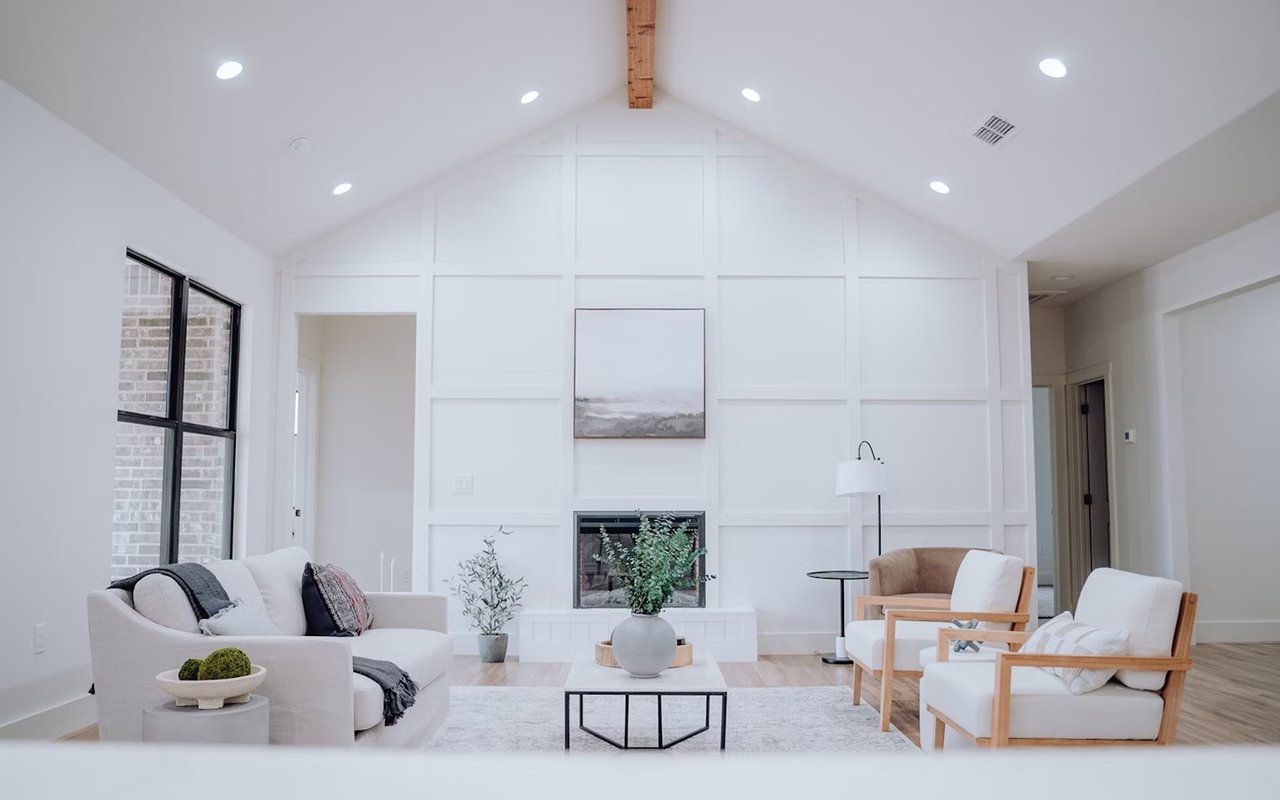
Darsh Parikh | July 15, 2026
Top Tips for Making Your Space a Standout.

Darsh Parikh | July 15, 2026
Winning Strategies for Austin's Most Coveted Address.

Darsh Parikh | July 15, 2026
Reading the Market, Your Goals, and the Moment.
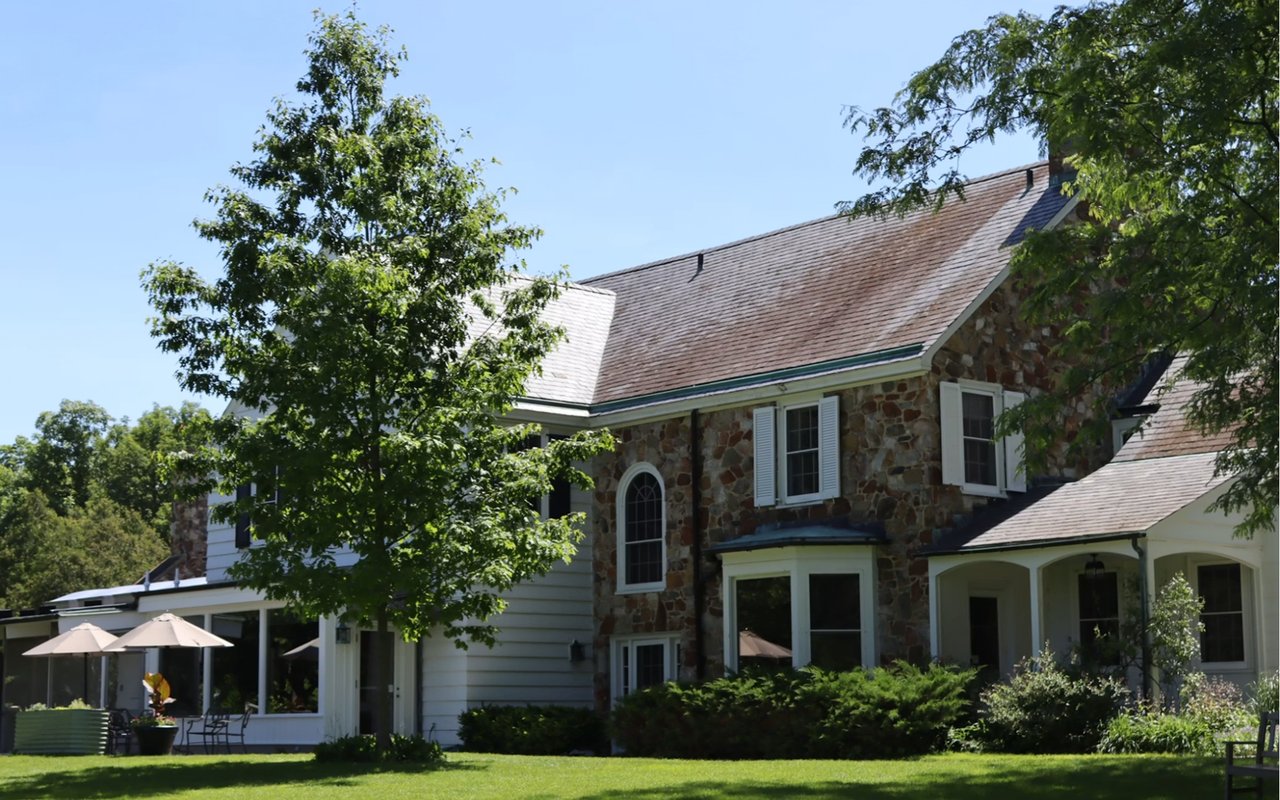
Darsh Parikh | July 15, 2026
Trading Up Without Trading Away What You Love.
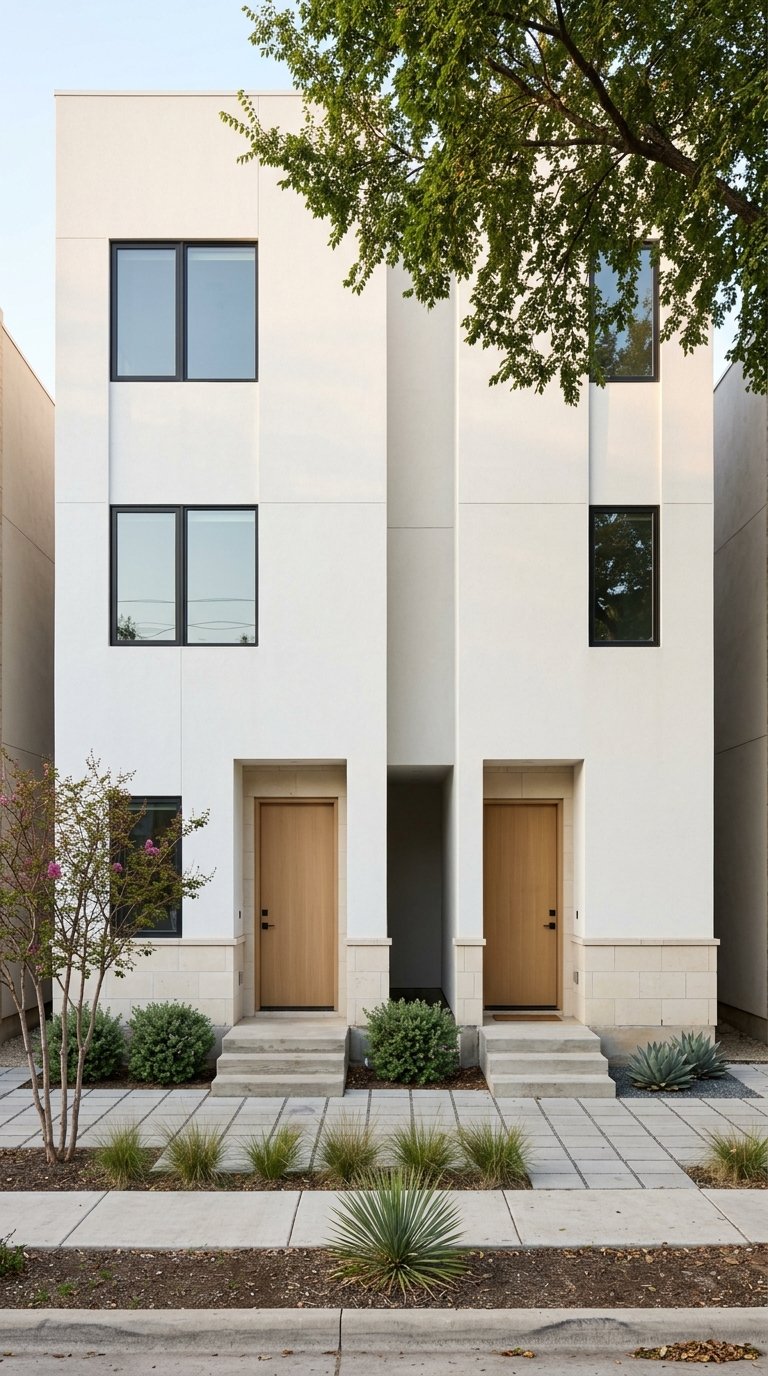
July 9, 2026
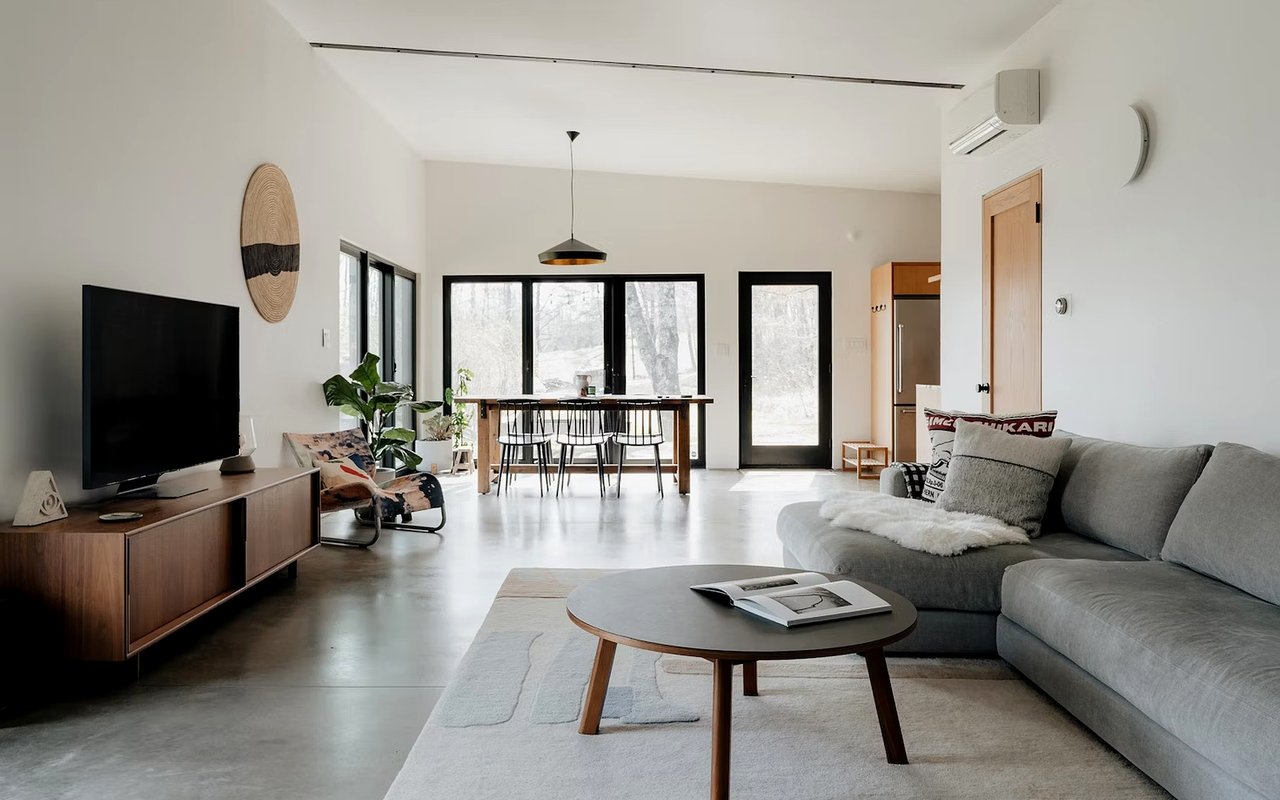
Darsh Parikh | July 3, 2026
Your Roadmap to Finding the Right Home in One of Austin's Most Sought-After Neighborhoods.

Darsh Parikh | July 3, 2026
What Every Buyer and Seller in Austin Should Know Before the Counteroffer Arrives.
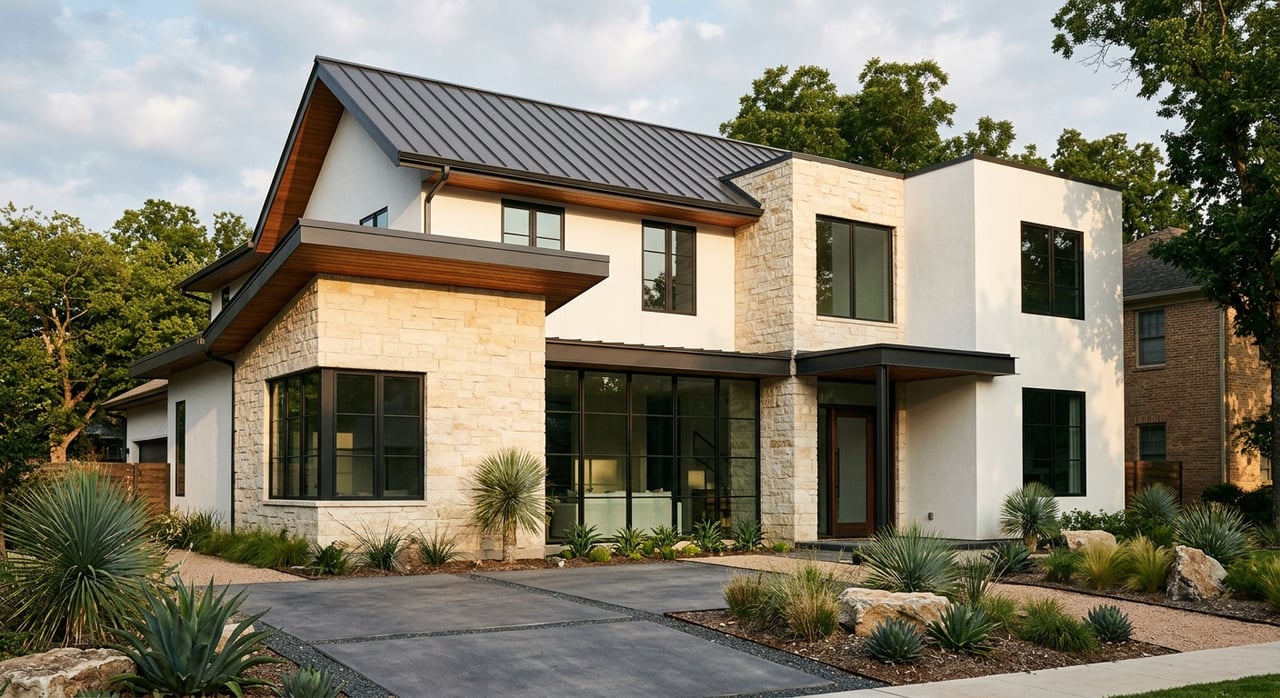
July 2, 2026
Looking for a modern home in East Austin can feel exciting and a little overwhelming at the same time.
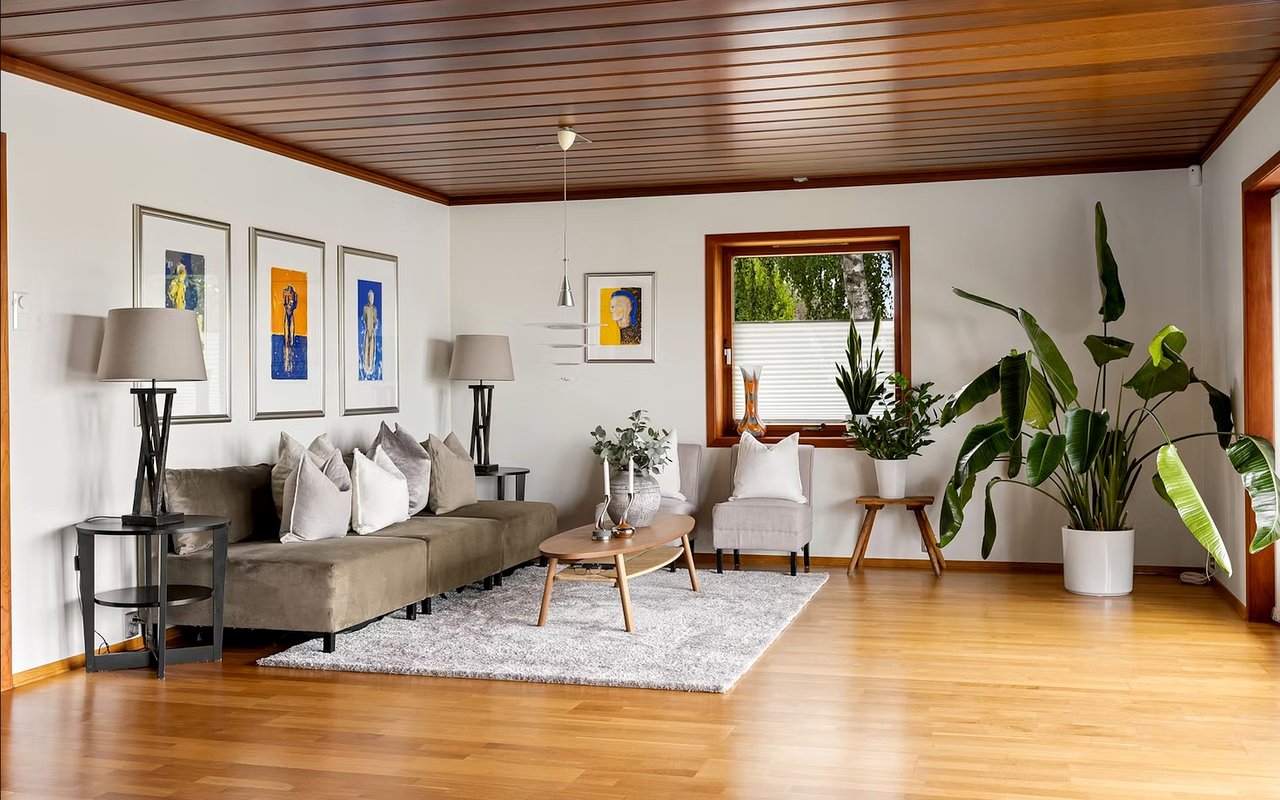
Darsh Parikh | June 26, 2026
Your Room-by-Room Roadmap to Impressing Every Buyer.
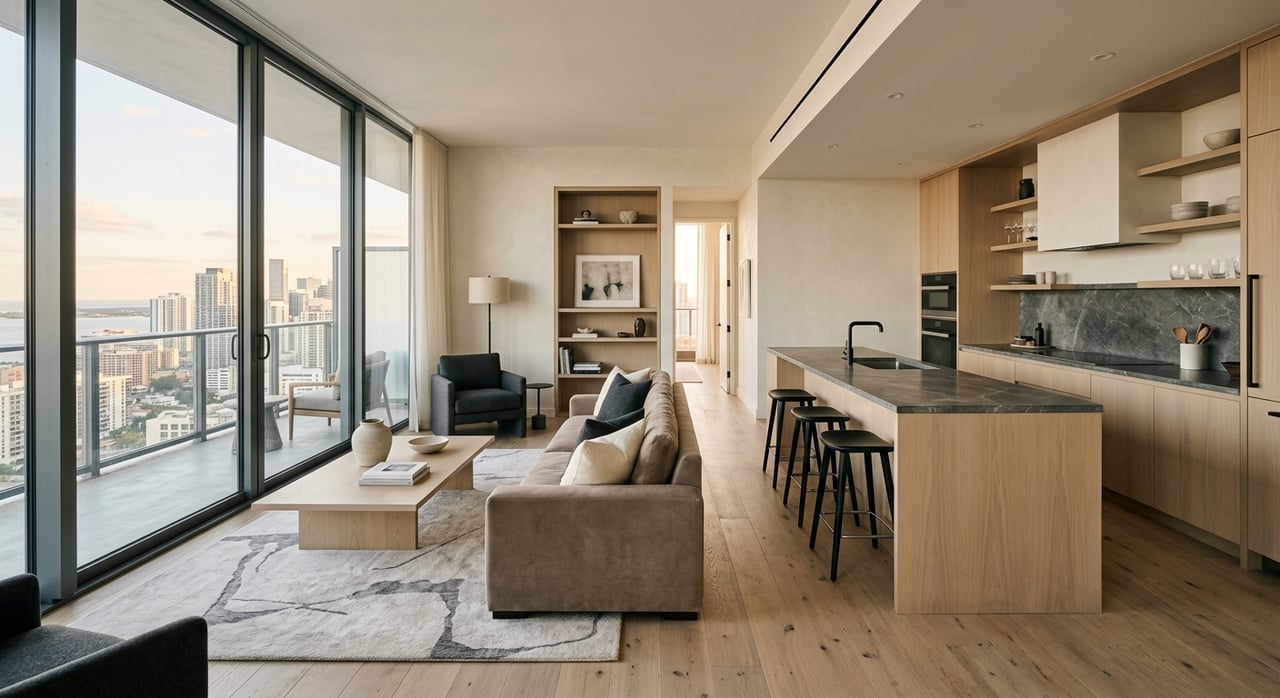
June 25, 2026
If you have been waiting for Downtown Austin to feel a little less frantic, this may be your moment.
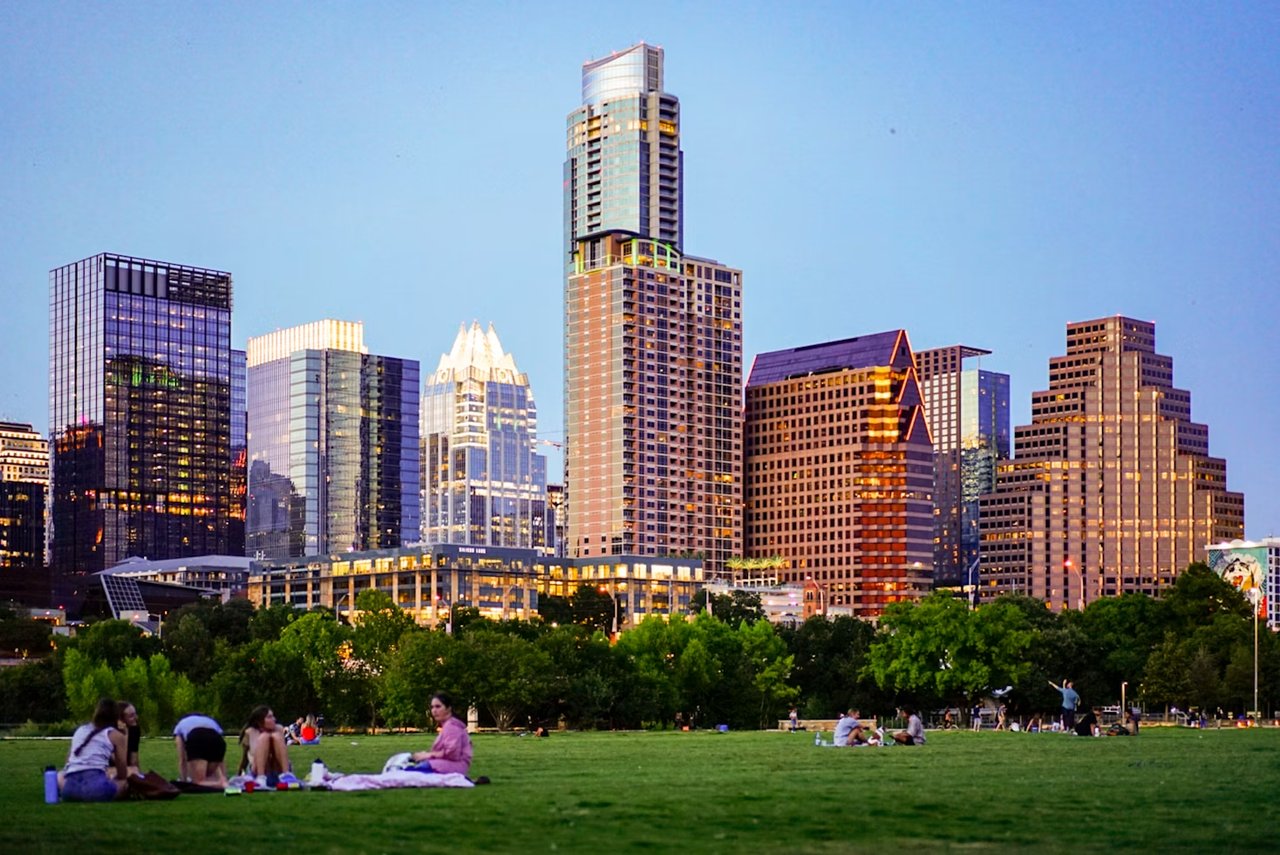
Darsh Parikh | June 24, 2026
Everything You Need to Know About the Zilker Neighborhood in Austin, TX.
June 18, 2026
Are Central Austin homes getting warmer, smarter, and more tailored?
June 11, 2026
If you are torn between Central Austin and the suburbs, you are really deciding how you want your days to feel.
June 4, 2026
Trying to choose between Tarrytown and West Lake Hills can feel like picking between two very different versions of Austin luxury.
May 28, 2026
If you own an older home in Old West Austin, you are not just preparing a property for sale.
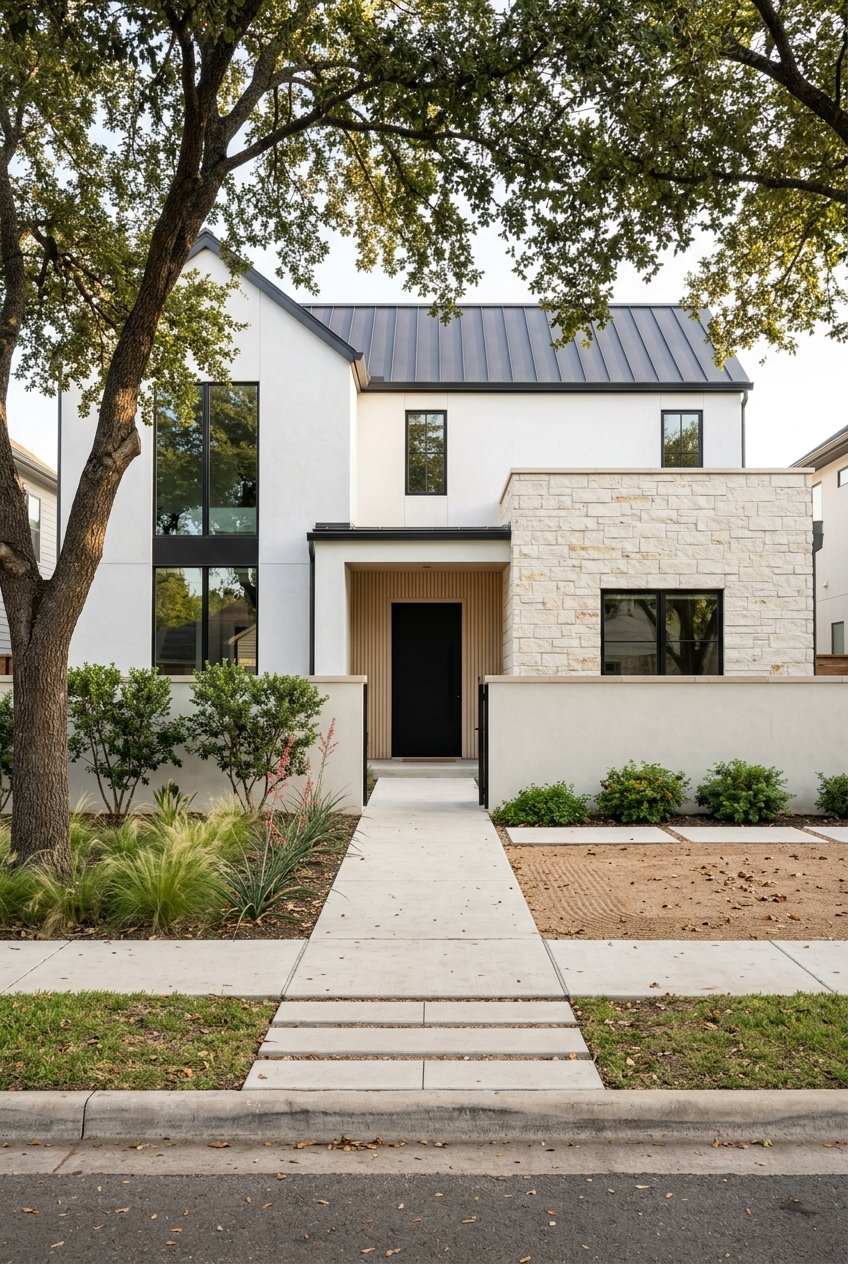
May 21, 2026
Wondering whether Old West Austin lives up to the hype? For many buyers, it does, but not for the reasons people often expect.
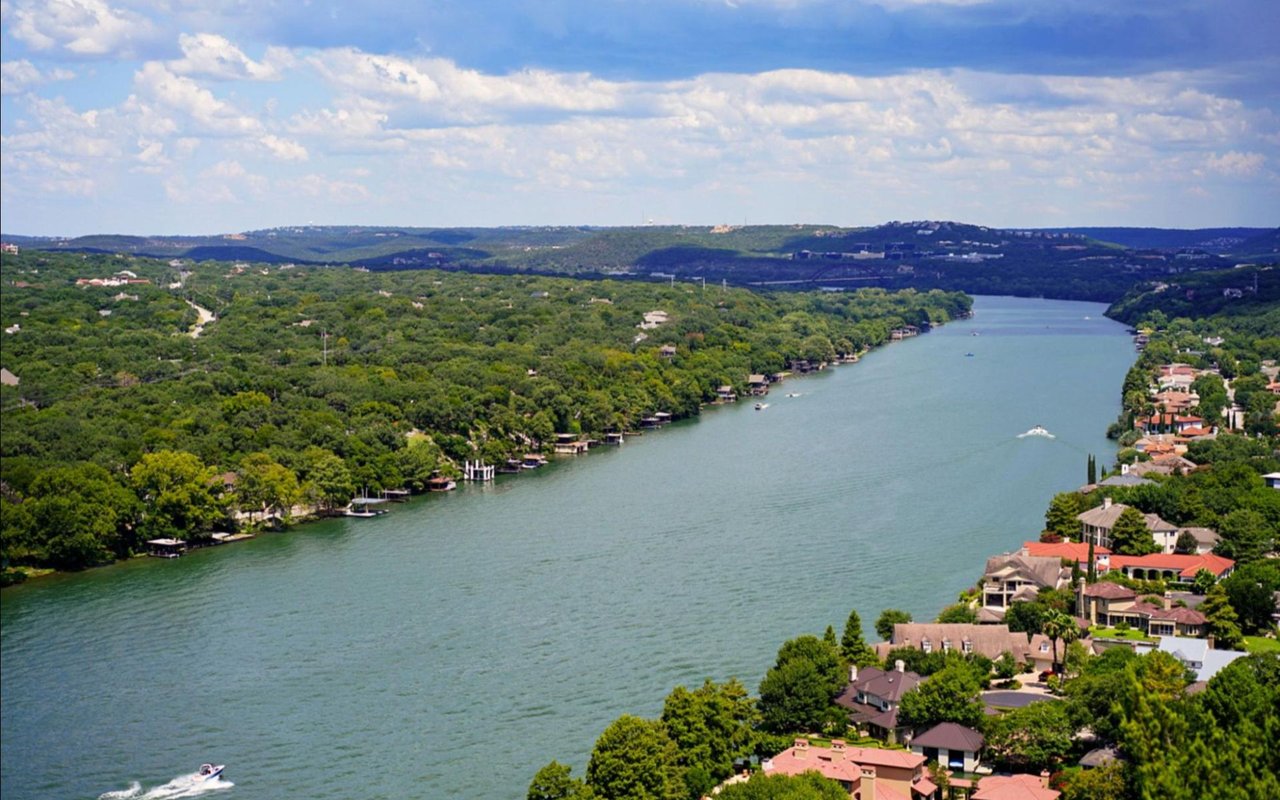
Darsh Parikh | May 2, 2026
What Makes Tarrytown One of Austin's Most Sought-After Neighborhoods.
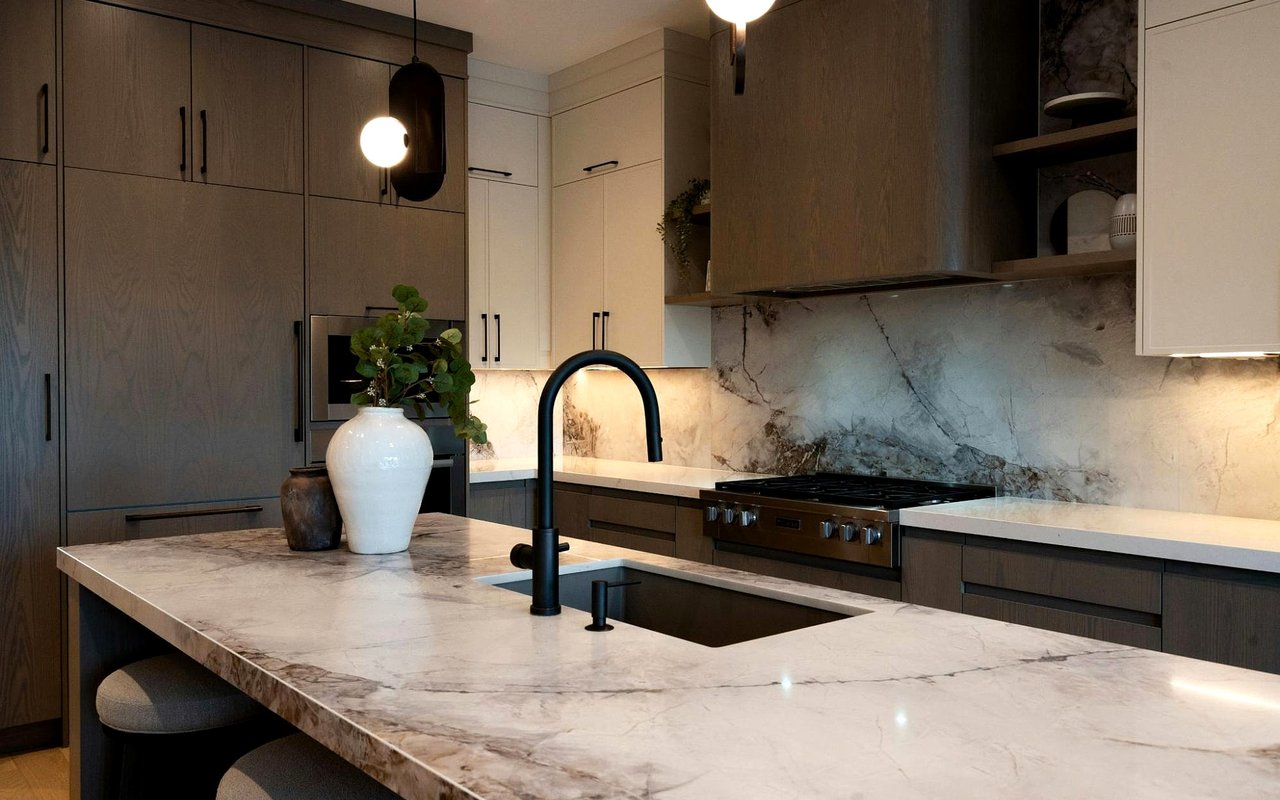
Darsh Parikh | May 2, 2026
Ultimate Home Buying Strategy for One of Austin's Most Sought-After Neighborhoods.
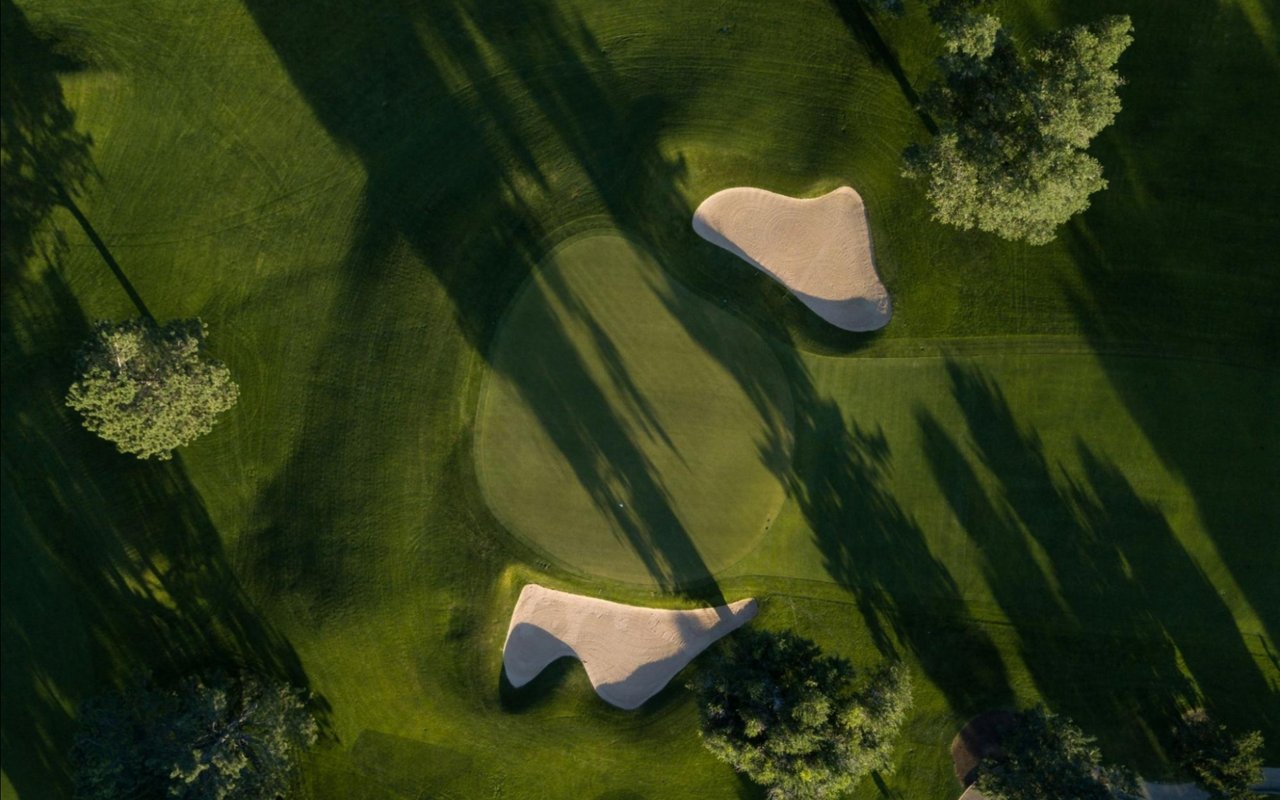
May 1, 2026
A Golfer's Guide to the Best Courses Near Barton Hills, TX.
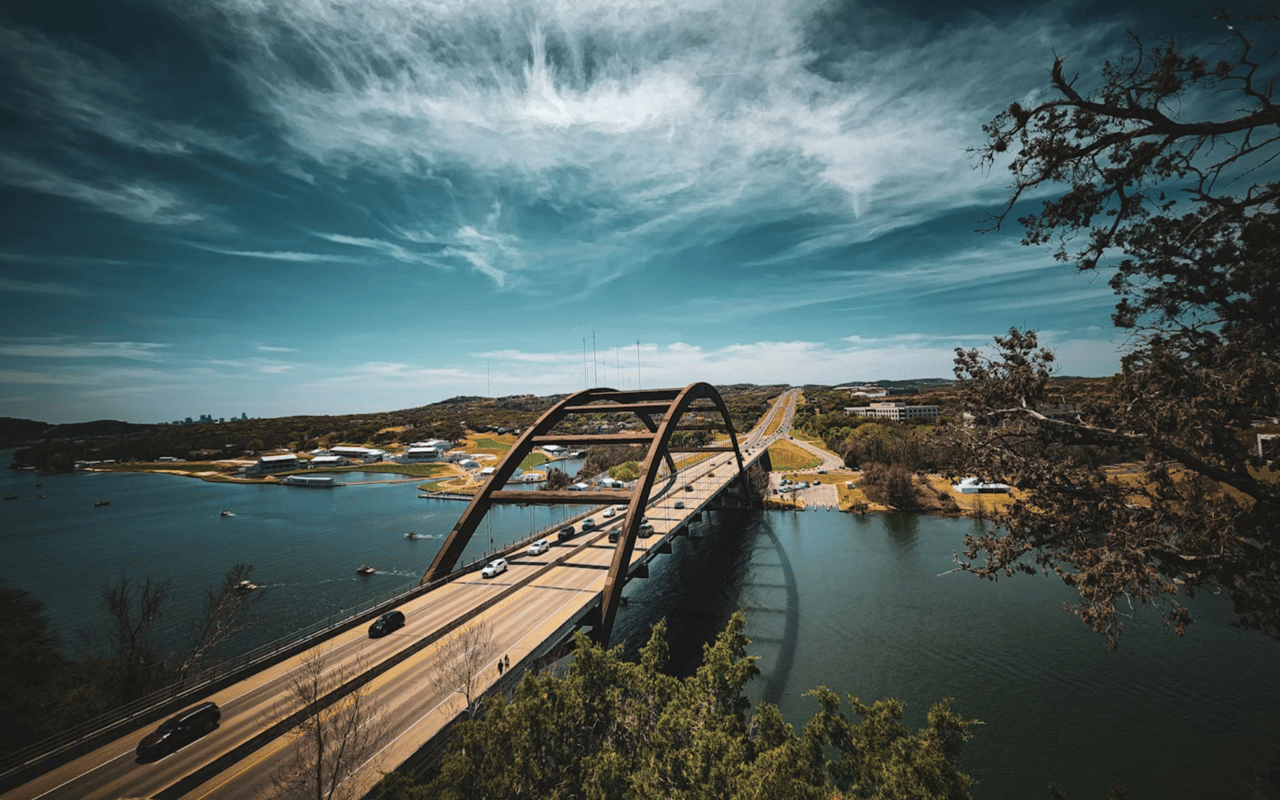
Darsh Parikh | April 30, 2026
These Are the Defining Qualities of the Best Agents in Tarrytown.
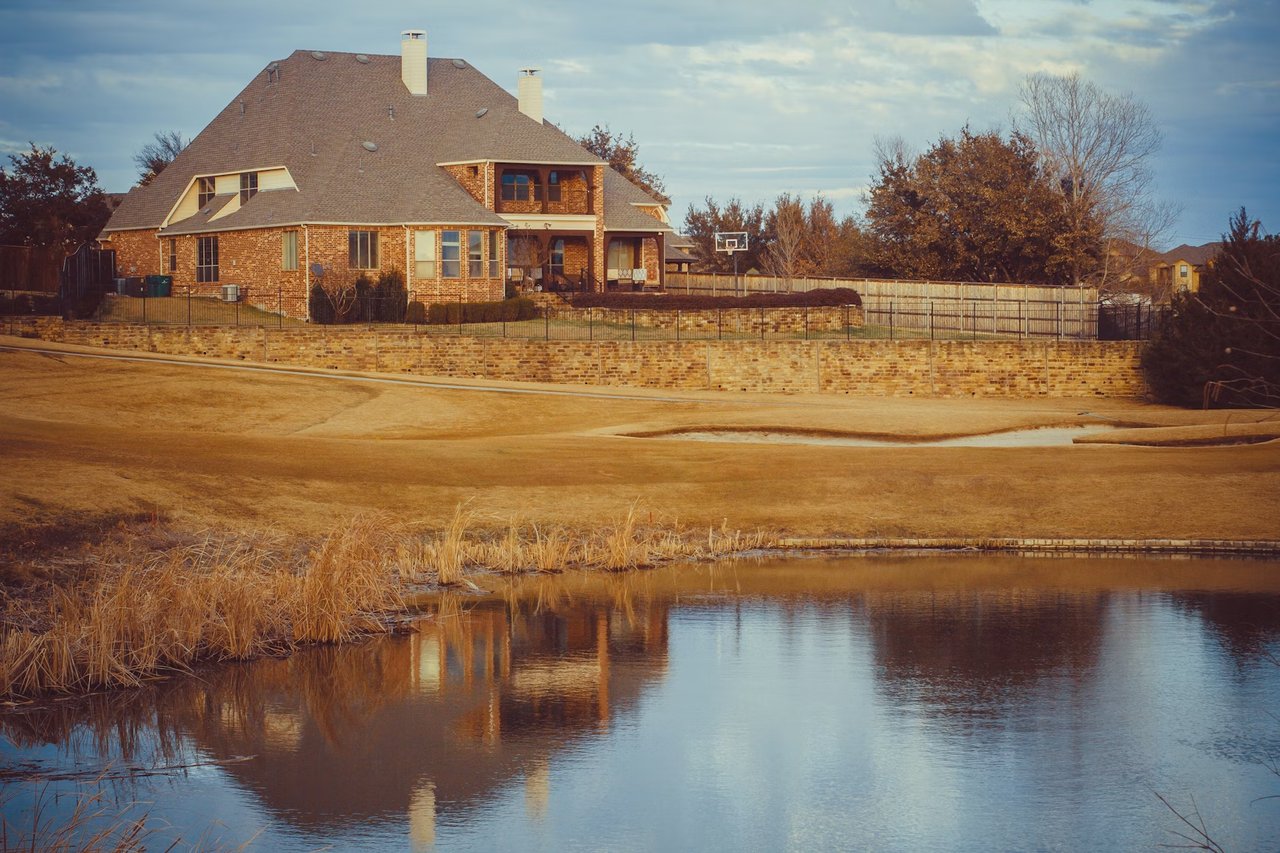
March 23, 2026
The Case for Luxury Neighborhoods in Austin: Barton Hills, Zilker, and Tarrytown.
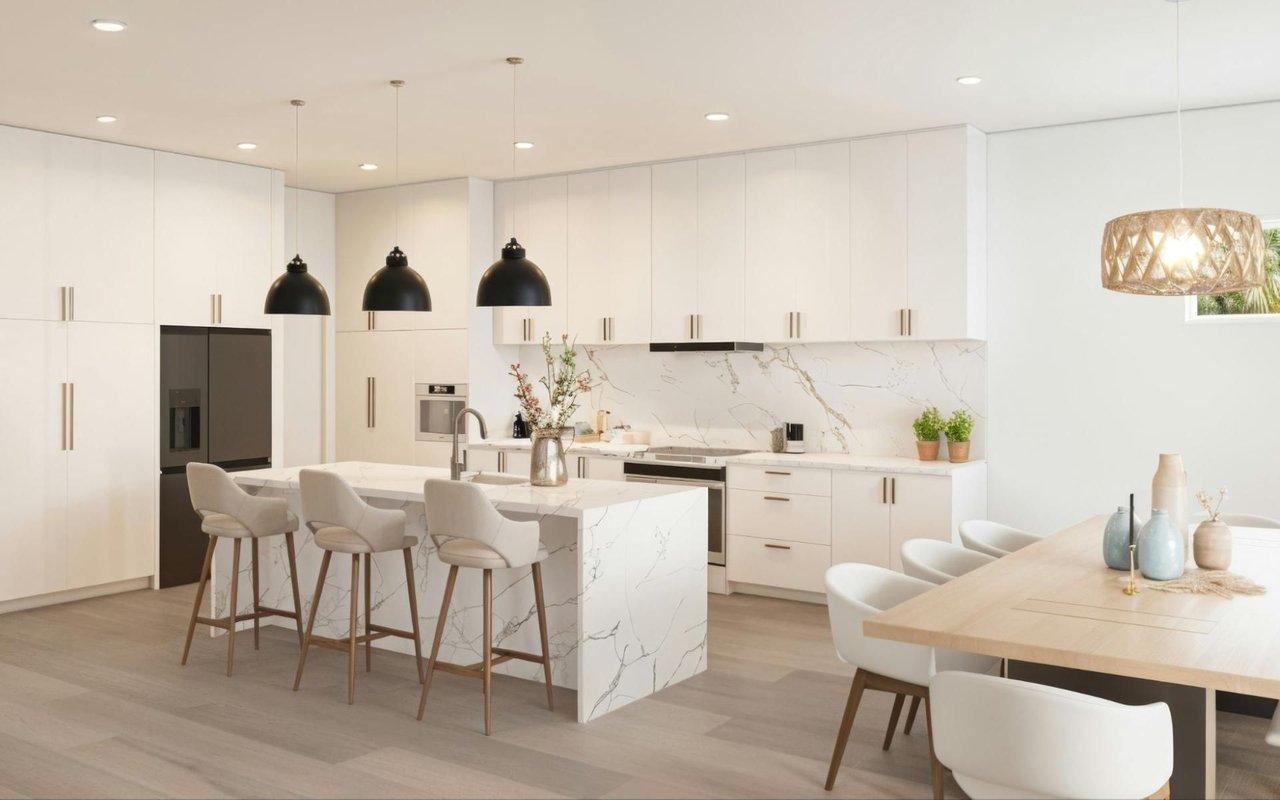
March 17, 2026
Home Staging in Barton Hills, Zilker, and Tarrytown: What Luxury Sellers Need to Know.
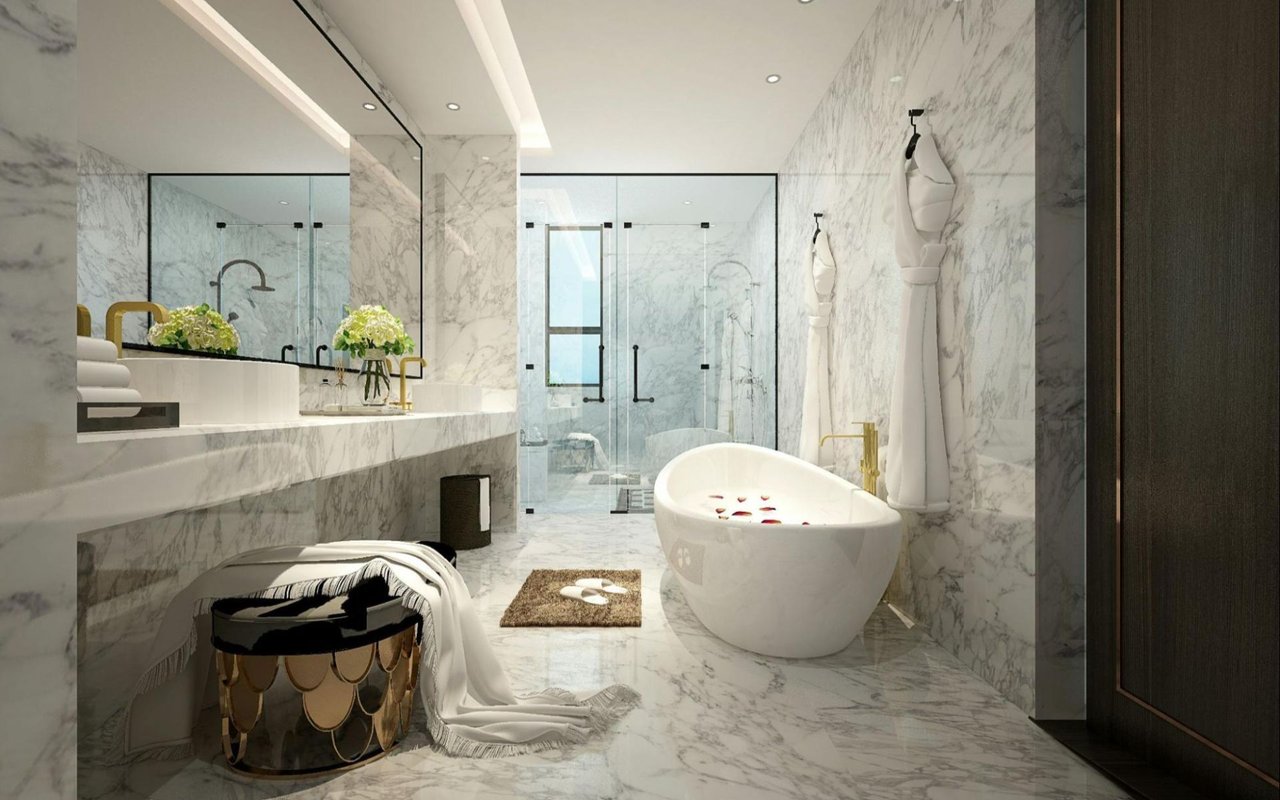
March 10, 2026
What Luxury Home Features Drive Buyer Decisions in Barton Hills, Zilker, and Tarrytown.
Darsh Parikh | March 3, 2026
How to Find Luxury Homes in Barton Hills, Zilker, and Tarrytown the Right Way.
Darsh Parikh | February 11, 2026
From Historic Charm to Modern Elegance: Local Architecture in Barton Hills, Zilker, and Tarrytown.

Darsh Parikh | February 11, 2026
A Guide to Investing in Real Estate in Barton Hills, Zilker, and Tarrytown.

Darsh Parikh | February 11, 2026
The Importance of Real Estate Photography in Austin’s Most Sought-After Neighborhoods.
Darsh Parikh | February 11, 2026
A Strategic Guide to Luxury Home Upgrades in Barton Hills, Zilker, and Tarrytown.
Darsh Parikh | January 30, 2026
The Best Homes Match an Aesthetic to Their Surroundings.

Darsh Parikh | January 30, 2026
Hyper-Local Pricing Strategy Is Based on These Factors.
Darsh Parikh | January 30, 2026
The Best Amenities for High-End Homes in Greater Austin.
Darsh Parikh | January 30, 2026
Here’s How We Help Clients Decide Between These Areas.
Darsh Parikh | January 14, 2026
Experience Unmatched Elegance in the City’s Top Neighborhoods.
December 30, 2025
What Makes Austin a Place People Love to Visit and Call Home.
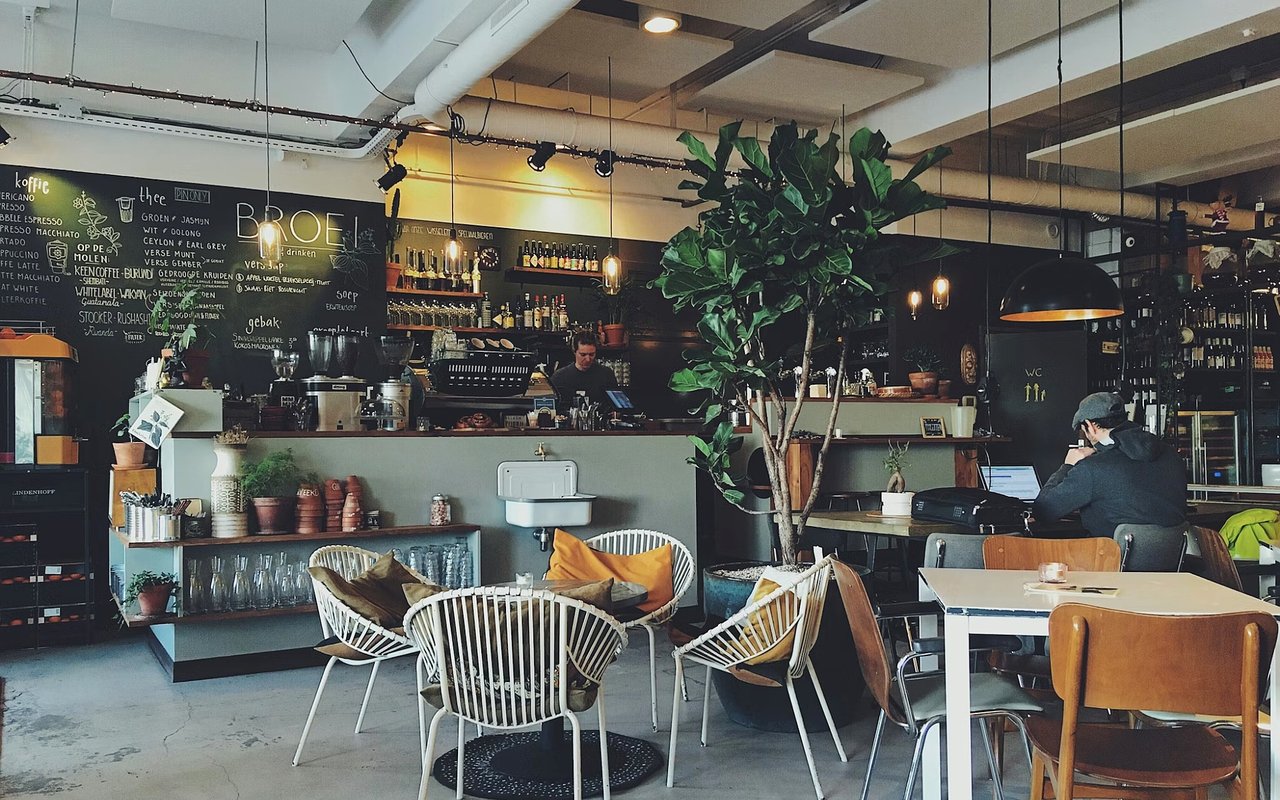
Darsh Parikh | December 30, 2025
An Overview of Well-Known Dining Spots that Reflect the Range of Food in Austin, TX.

Darsh Parikh | December 30, 2025
Helpful Strategies for a Smoother Transition.
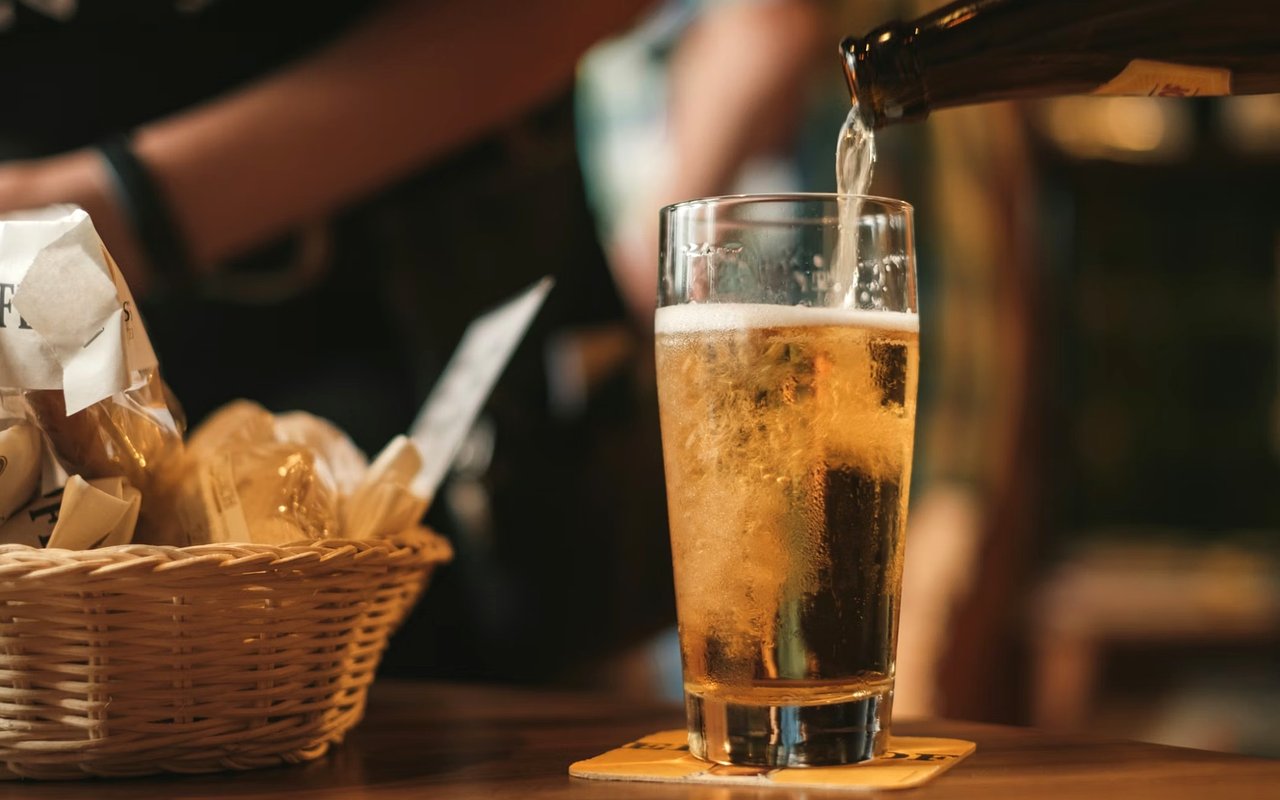
Darsh Parikh | December 30, 2025
How Austin’s Craft Beer Scene Reflects the City’s Growth and Community Appeal.
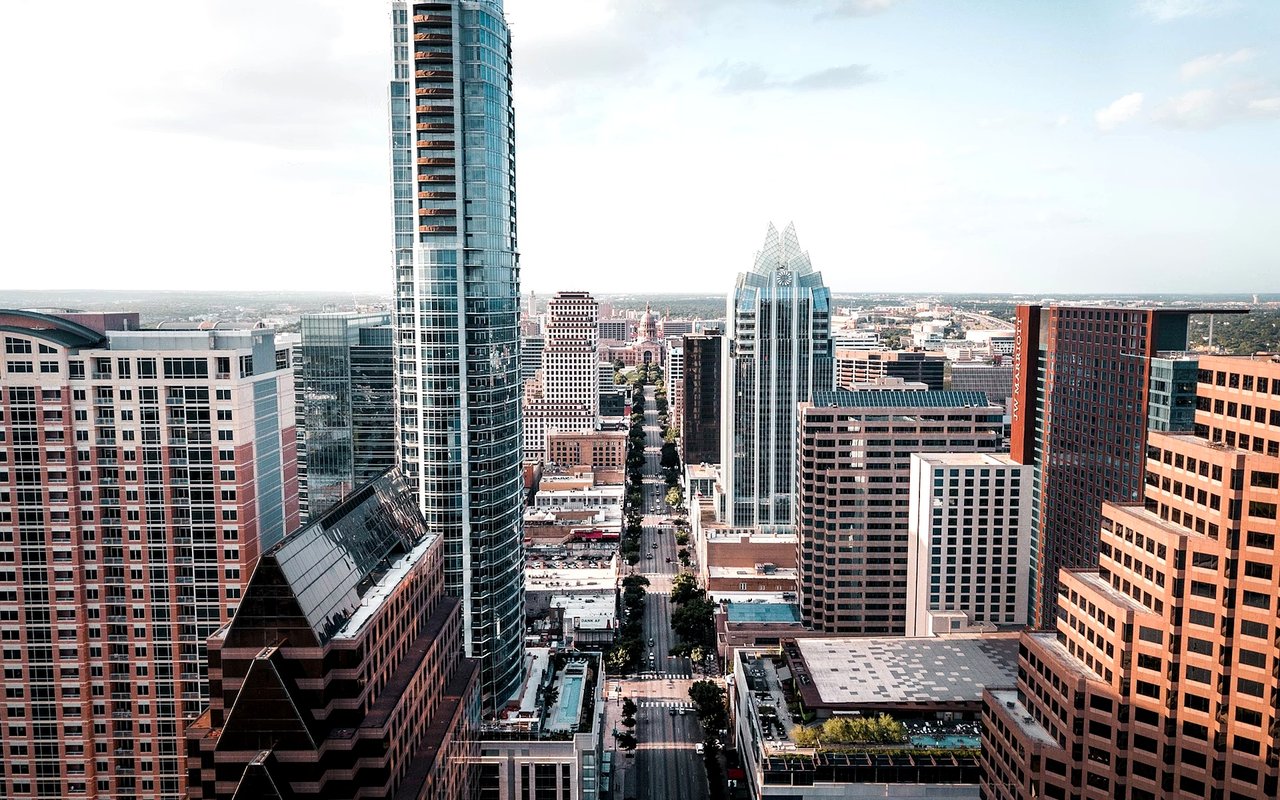
Darsh Parikh | December 30, 2025
How Employment Growth, Interest Rates, and Local Development Shape Housing Demand.
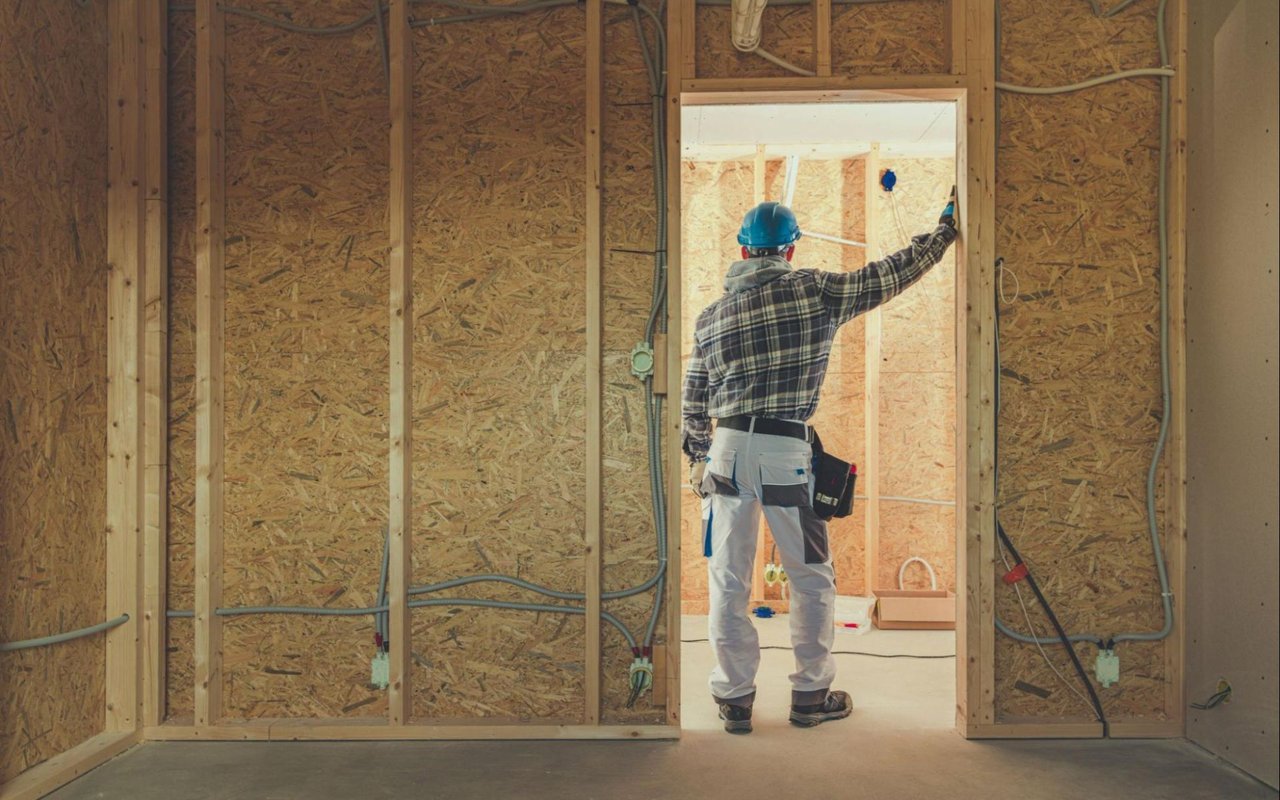
Darsh Parikh | November 19, 2025
Why more buyers are turning to newly built homes in the Austin real estate market.

Darsh Parikh | November 19, 2025
How timing the market can shape your real estate strategy in Austin and beyond.
Darsh Parikh | November 19, 2025
Uncovering the unique character, culture, and quirks of Texas’s capital city.

Darsh Parikh | November 19, 2025
Why a pre-listing inspection is a smart move in today’s real estate market.
Darsh Parikh | November 10, 2025
Exploring Austin's end-of-year real estate market and what lies ahead in 2026.
Darsh Parikh | October 23, 2025
Understanding contracts, disclosures, and protections for a smooth real estate transaction.
Darsh Parikh | October 23, 2025
Where to go and what to do for an immersive cultural experience in Austin, Texas.
Darsh Parikh | October 23, 2025
How a property’s age impacts its desirability, maintenance, and resale price.
Darsh Parikh | October 23, 2025
Everything professionals and businesses need to know about moving to the Texas capital.
Darsh Parikh | October 23, 2025
Expert insights for navigating high-end real estate with confidence and success.
Darsh Parikh | September 17, 2025
Enhancing Interior Appeal for Maximum Return in Austin's Market.
Darsh Parikh | September 17, 2025
Strategies to Attract Remote Buyers in Austin's Evolving Market.

Darsh Parikh | September 17, 2025
Ensuring Your Austin Dream Home Is a Sound Investment.
Darsh Parikh | September 17, 2025
Reaching Global Audiences in Austin’s Exclusive Real Estate Market.

Darsh Parikh | August 27, 2025
From the city’s 19th-century origins to the rise of Silicon Hills.
Darsh Parikh | August 12, 2025
A Year-Round Celebration of Creativity in the Capital City.
Darsh Parikh | August 12, 2025
Where to Buy Now for Strong ROI and Long-Term Growth Potential.

Darsh Parikh | August 11, 2025
A Guide to Exploring Austin’s Vibrant Wine Scene.
Darsh Parikh | August 11, 2025
What High-End Buyers Want and How to Elevate Your Home in Austin.
Darsh Parikh | August 11, 2025
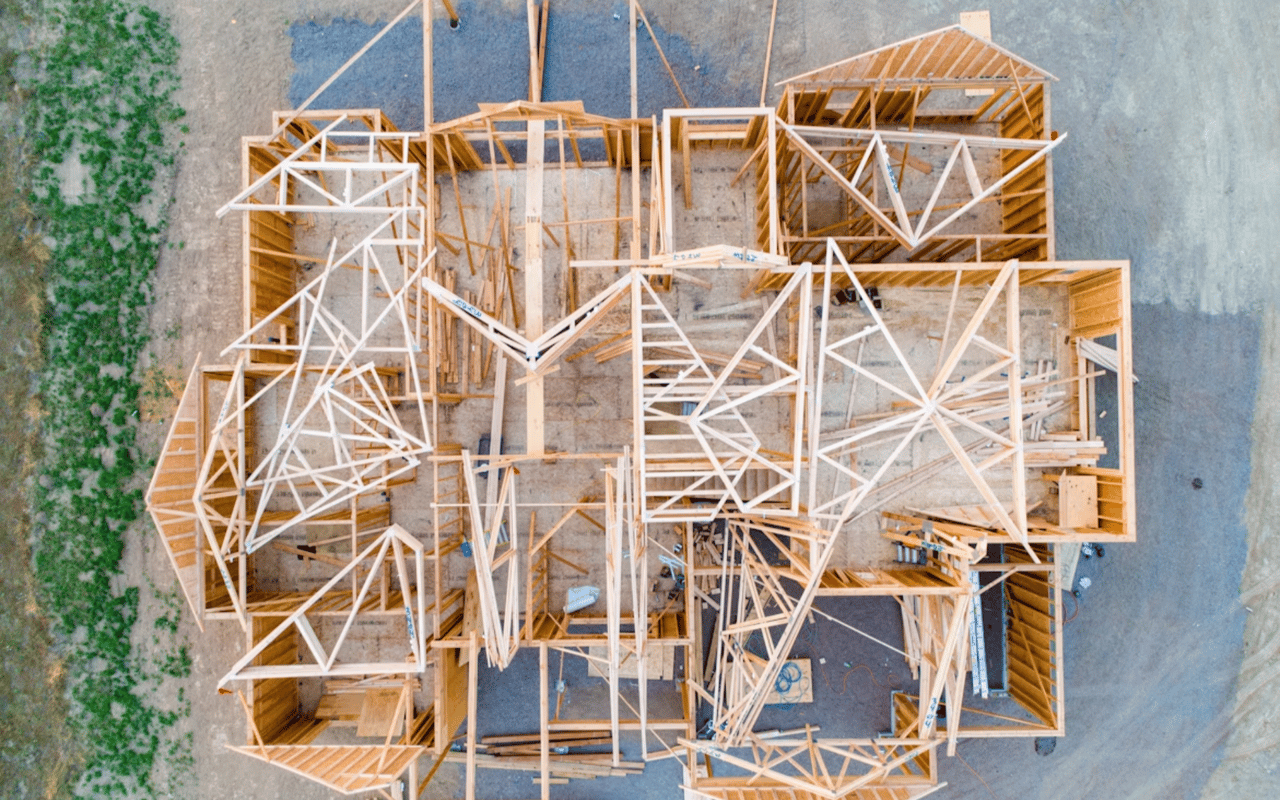
Everything You Need to Know About Starting Your Custom Home Journey in Central Texas.
Darsh Parikh | July 28, 2025
Discover Why Austin Is One of the Best Cities for Families to Live, Learn, and Grow.
Darsh Parikh | July 28, 2025
Experience the Best of Austin’s Natural Beauty and Active Lifestyle.
Darsh Parikh | July 28, 2025
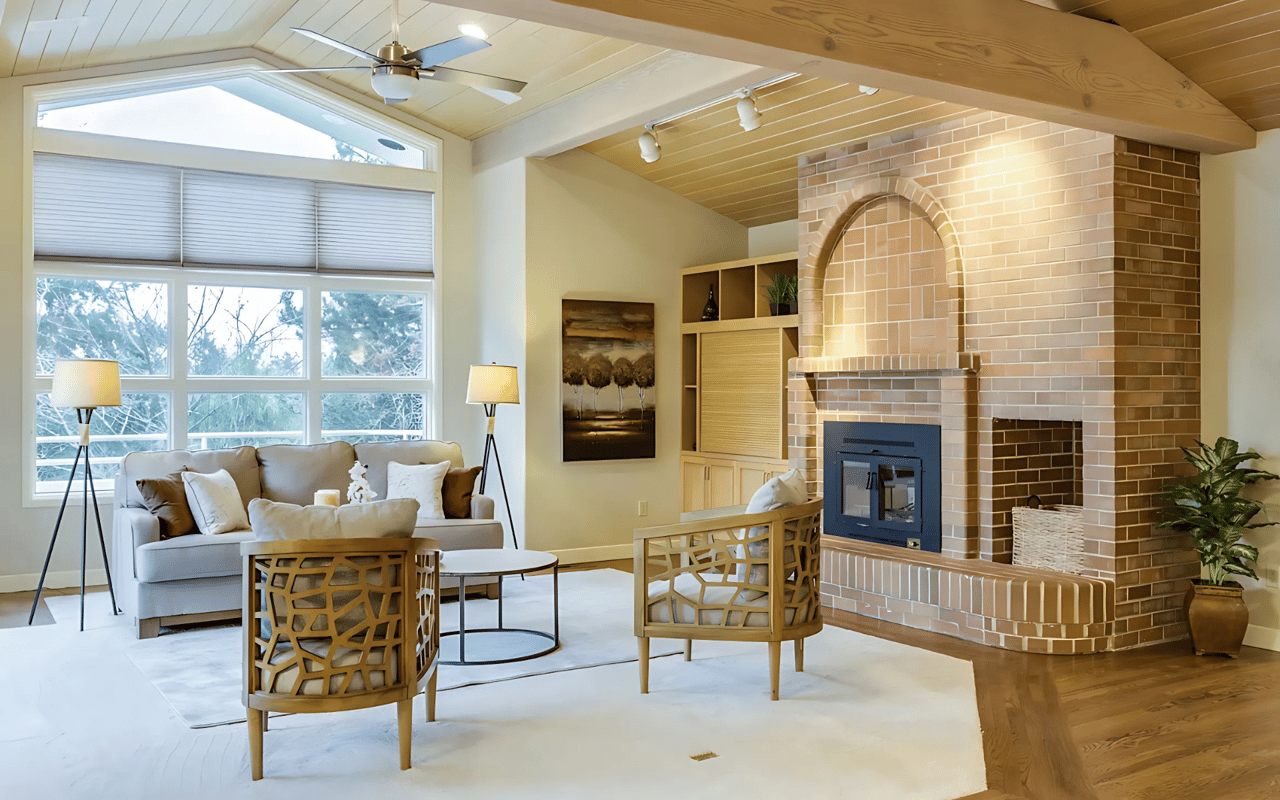
What Austin Sellers Need to Know to Attract Modern Buyers and Maximize Value.

Darsh Parikh | July 28, 2025
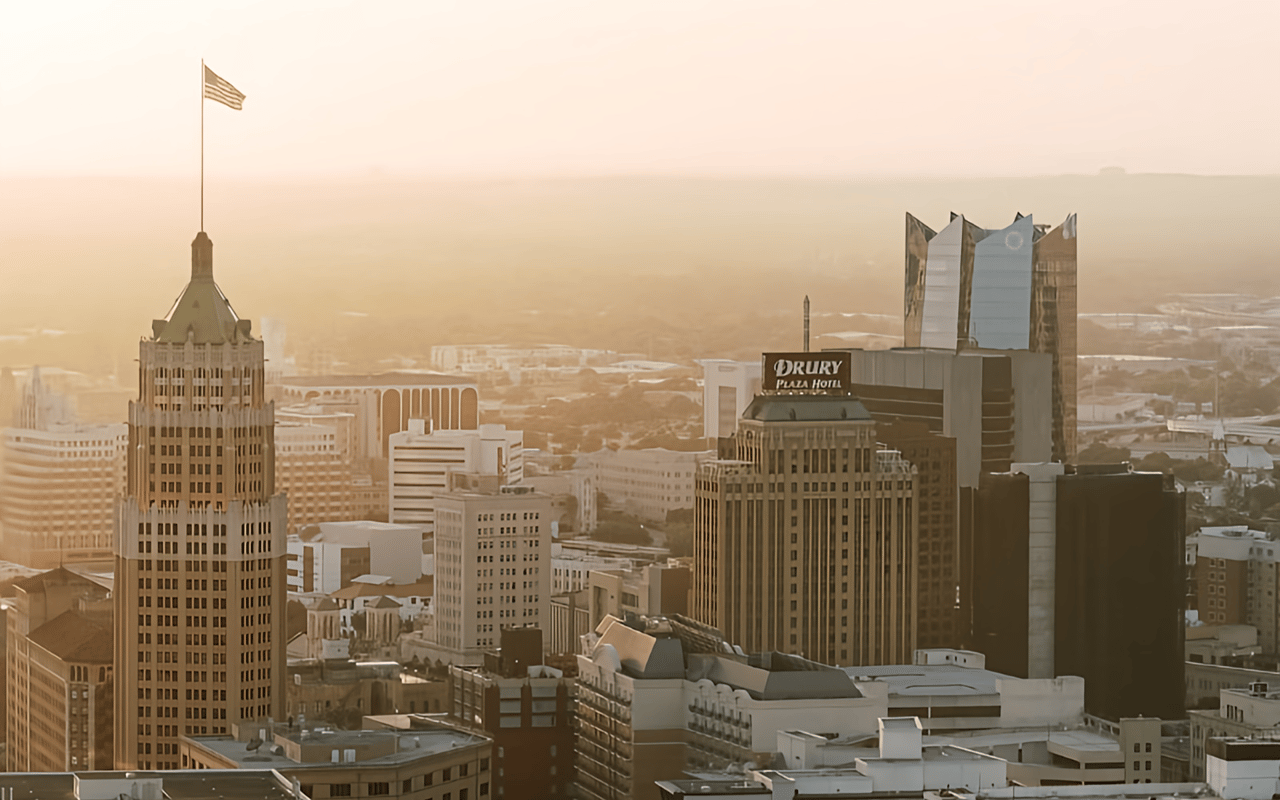
What Every Seller Should Know Before Listing Their Property.
Darsh Parikh | July 28, 2025
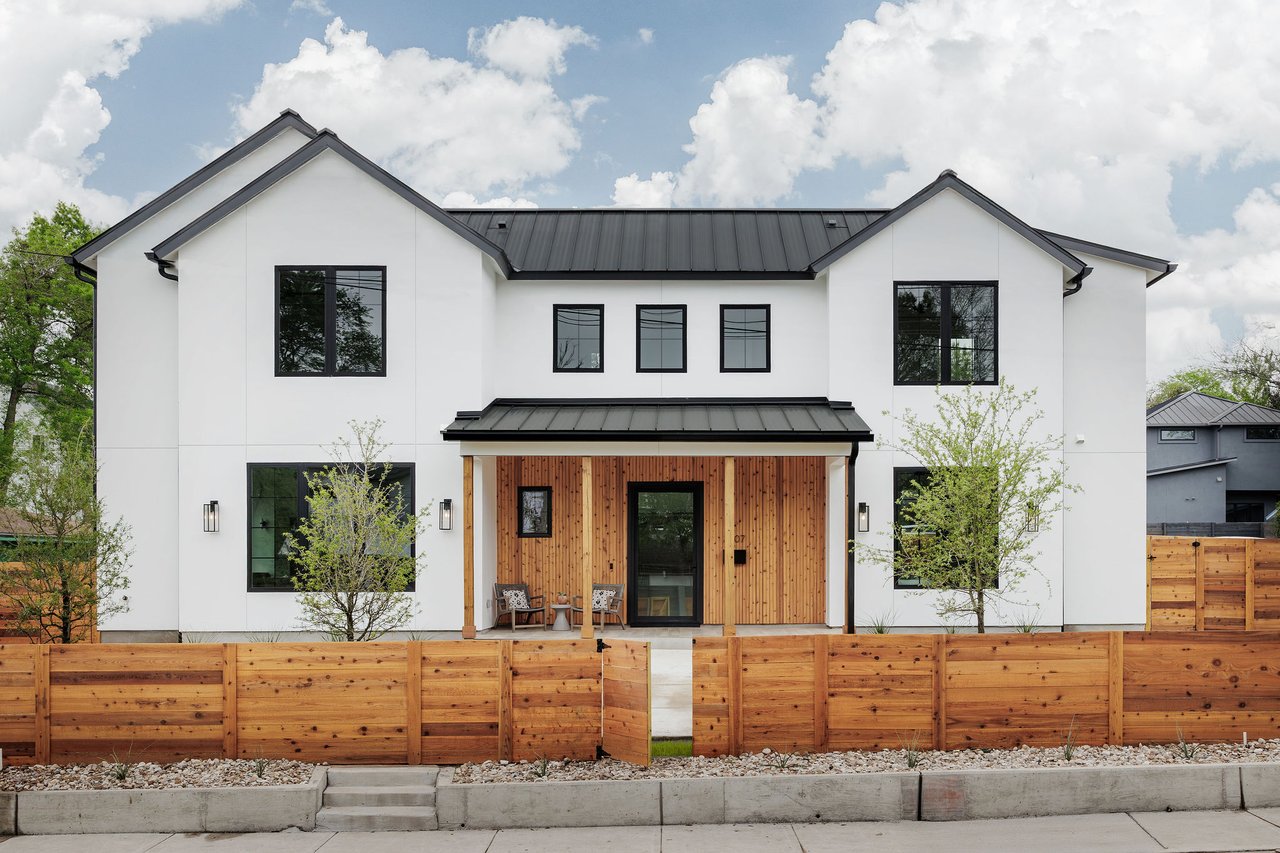
Explore the Best Getaways Within a Few Hours of the Capital City.
Real Estate Education
July 9, 2025
Take a real-world tour of what new construction in South Austin looks like in 2025—from layouts to features and finish quality.

Real Estate Education
July 9, 2025
Before you buy new in Austin, understand what’s standard, what’s extra, and how to compare builder offerings with clarity.

Real Estate Education
July 9, 2025
Buying new in Austin? Here’s what to know about builder warranties—and how they differ between top local builders.

July 9, 2025
Explore move-in ready new construction homes in East Austin under $750K—plus builder incentives worth knowing.

Real Estate Education
July 8, 2025
Explore Austin’s top-performing neighborhoods since 2020—and where smart investors should focus next.
Work with a top real estate expert in Austin. Buying or selling a home, they can help you. Contact them now to start your home-searching journey!